
PNGRB bats for level playing field across EV, CNG and LNG vehicles
A level playing field across electric vehicles (EVs), compressed natural gas (CNG) and liquefied natural gas (LNG) is essential to keep consumer economics viable across all options, according to Anjani Kumar Tiwari, Member, Petroleum and Natural Gas Regulatory Board (PNGRB). He said policy design must avoid tilts toward any single technology and instead allow consumers to make fair, like-for-like cost comparisons.
Consumer economics must drive policy
Speaking to The Hindu on the sidelines of the launch of The Energy and Resources Institute’s (TERI) comparative assessment of vehicular fuels, Mr. Tiwari stressed that affordability and value for money are central to adoption across vehicle technologies. “Economic consideration is important for consumers. At the same time, it is important to have a level-playing field for all vehicle technologies,” he said.
Such parity, he noted, can be achieved only through a calibrated mix of tax policy, financial support and infrastructure development. Without it, he warned, the “true economics” of different vehicle options will remain difficult for consumers to assess.
Report flags alignment on taxes, incentives and infrastructure
The TERI–PNGRB comparative assessment seeks to pinpoint where policy and market structures remain misaligned among fuel categories. Mr. Tiwari said the report highlights gaps in infrastructure creation and differences in incentives and tax design that can distort consumer choices between EVs, CNG and LNG vehicles.
“Where infrastructure is required to be created, where incentives are to be accorded or tax rates must be made similar across the board. These are some of the things that would help carve a level-playing field and is what the report seeks to put forth,” he said, adding that leaving any segment unattended would make the overall paradigm “unbalanced.”
CNG price pressures tied to West Asia conflict
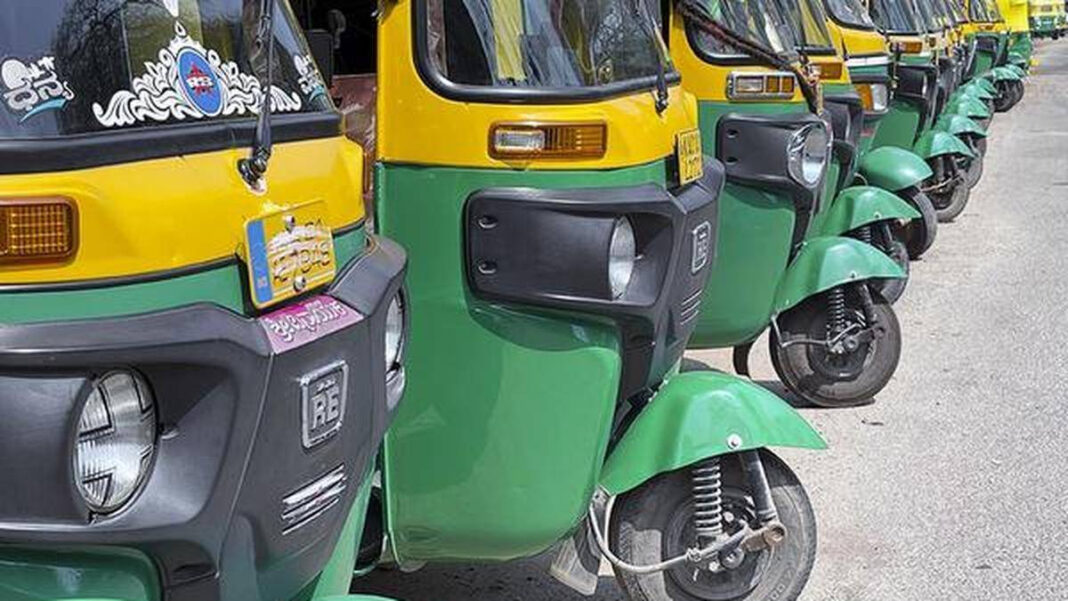
Addressing recent CNG price increases, Mr. Tiwari attributed the uptick to higher input costs stemming from renewed conflict in West Asia. Ensuring uninterrupted fuel availability remains the immediate priority for India, he said. “Once that [disruptions because of the West Asia crisis] stabilises, prices will eventually come down and ultimately passed on to consumers,” he added.
CBG push to cut import dependence
Mr. Tiwari underscored the potential of compressed biogas (CBG) to reduce reliance on imported natural gas. Under the government’s target of setting up 5,000 CBG plants by 2030, domestic availability could meaningfully improve. “If these 5,000 plants operate at 50% capacity, around 30-40 million metric standard cubic metres per day (MMSCMD) of gas could be produced, depending on the [feedstock] yield,” he said.
Outlook
The PNGRB’s call for parity across EVs, CNG and LNG, backed by the TERI–PNGRB assessment, points to imminent policy attention on harmonising taxes, incentives and infrastructure. With CNG prices temporarily pressured by geopolitical disruptions and an emerging CBG ecosystem poised to add domestic supply, regulators and policymakers face a balancing act: sustaining consumer affordability while enabling a technology-neutral transition in road transport.