
 "
/>
"
/>

Nepal’s Flash Foods: Rebuilding Communities After a Disaster
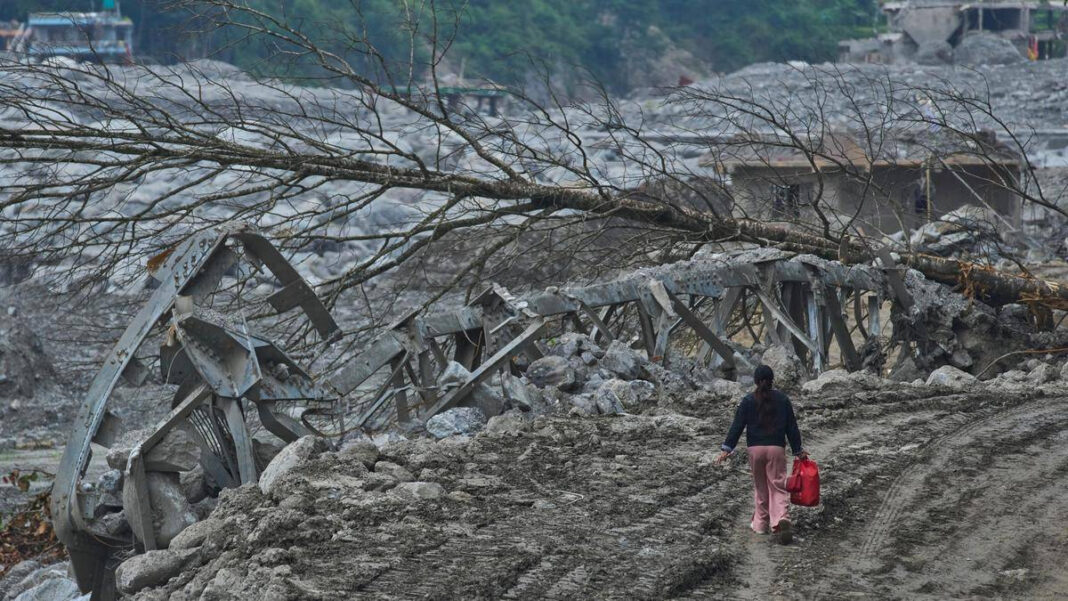
Nepal, a country rich in culture, diversity, and natural beauty, is also one of the most disaster-prone regions in the world. Its geographical location in the Himalayan region makes it vulnerable to earthquakes, floods, and landslides. One of the significant aspects of resilience in the face of such calamities is the concept of “flash foods”—quick, easy-to-make, and nutritious meals that communities can prepare during recovery periods after disasters. Exploring this approach not only sheds light on immediate survival strategies but also highlights pathways for sustainable community rebuilding.
Understanding Flash Foods
Flash foods can be defined as simple, accessible, and nutritious meals that can be prepared quickly using available resources. In the context of disaster recovery, these dishes play a crucial role in meeting immediate nutritional needs when traditional food systems are disrupted.
In Nepal, where agriculture forms the backbone of rural livelihoods, many community members rely on locally available ingredients. Flash foods can include local grains like millet and rice mixed with seasonal vegetables, pulses, and legumes, creating nutritious meals that require minimal cooking time and resources. Adapting flash food recipes to fit local tastes allows families to access quick nourishment amidst the chaotic aftermath of a disaster.
The Role of Flash Foods in Disaster Recovery
-
Immediate Nutritional Support:
In the wake of a disaster, access to food supplies can become severely limited. Flash foods provide a means for affected individuals and families to quickly address their immediate nutritional needs without the requirement of elaborate cooking processes. This is essential for maintaining strength and health, particularly for vulnerable populations such as children, pregnant women, and the elderly. -
Cultural Resilience:
Incorporating traditional recipes into flash foods helps maintain cultural ties and community identity. The act of cooking and sharing meals serves not only as a practical necessity but also a way for communities to come together, fostering social support and cohesion during distressing times. -
Economic Recovery:
Flash foods promote the use of locally grown ingredients, which can aid in supporting farmers and local markets in recovery efforts. By emphasizing the consumption of locally sourced foods, communities can rejuvenate their agricultural practices and restore local economies. - Education and Skill-Building:
Teaching communities how to prepare flash foods can empower them to be self-reliant in crisis situations. Workshops and community cooking sessions can introduce various recipes and cooking techniques, reinforcing food security and fostering skills that can enhance resilience.
Community-Led Initiatives
Various organizations and community groups have recognized the significance of flash foods in disaster resilience. Initiatives that focus on community participation are essential in promoting recovery through culturally relevant meal preparation.
-
Local Food Cooperatives:
Establishing food cooperatives allows communities to pool resources and share knowledge on traditional food gatherings and cooking techniques. These cooperatives can help maintain food supplies during crises and involve everyone in the community, enhancing social bonds. -
Nutrition Education Programs:
Implementing nutrition education programs can raise awareness about the importance of diet diversity and the benefits of utilizing available resources. These programs can include workshops on how to maximize nutritional value from local ingredients, enabling individuals to create flash foods efficiently. - Empowering Women:
Women often play a crucial role in food preparation. Empowering women with skills training and resources can lead to community-wide benefits, as they pass those skills on to their families and neighbors, thereby enhancing overall food security.
The Path Ahead
Rebuilding communities after disasters like earthquakes and floods in Nepal will require a multifaceted approach, wherein flash foods play a pivotal role. By emphasizing the importance of traditional, quick-to-make meals and integrating them into preparedness and recovery plans, communities can bolster their resilience to future disasters.
In conclusion, while Nepal continues to face challenges posed by natural disasters, the concept of flash foods offers a pathway for communities to navigate recovery effectively. It is a testament to the strength of local resilience, highlighting how cultural traditions can inspire collective action towards rebuilding and strengthening community ties even in the toughest of times. Emphasizing flash foods not only aids immediate recovery but also lays the groundwork for a healthier, more sustainable future.