 "
/>
"
/>

Lack of Understanding About Cross-Border Terror Concerns Impacts Bilateral Ties: Jaishankar on India-U.S. Relations
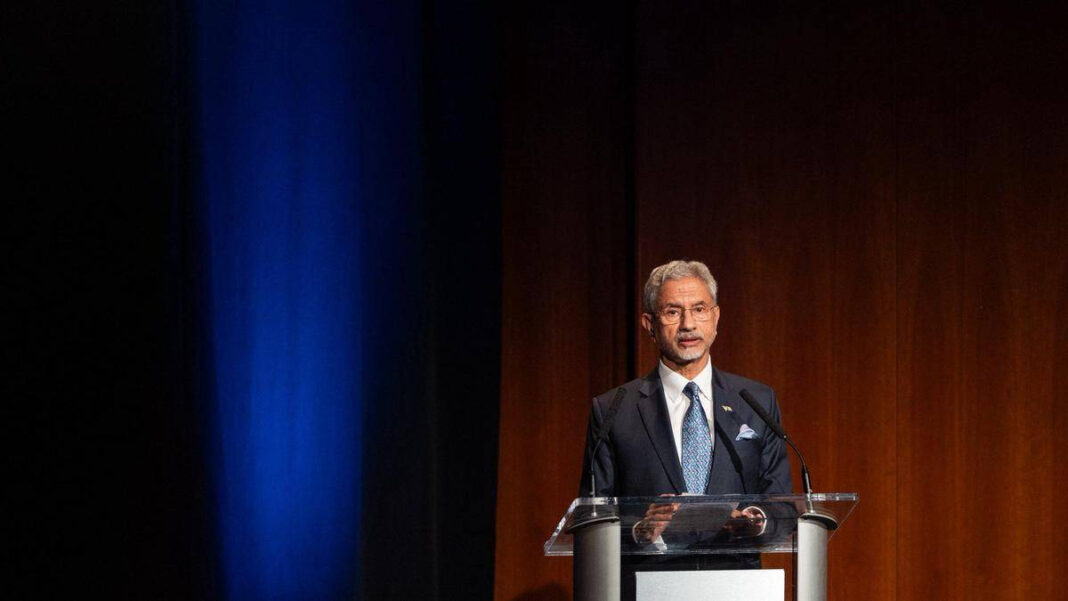
In a recent address that underscores the complexities of international relations, Indian External Affairs Minister S. Jaishankar highlighted how a lack of mutual understanding regarding cross-border terrorism can adversely affect bilateral ties between India and the United States. This assertion comes against the backdrop of growing concerns over security and the pressing nature of global terrorism, illustrating the intricate web of diplomacy that shapes India-U.S. relations.
Context of the Relationship
India and the United States have seen their relationship evolve significantly over the past few decades, transitioning from a period of skepticism during the Cold War to a strategic partnership characterized by economic collaboration, defense ties, and counter-terrorism efforts. This evolution has positioned both nations as key players in the contemporary geopolitical landscape, especially amidst the rising influence of China and the persistent threat of terrorism emanating from various regions, particularly South Asia.
The Crucial Role of Terrorism in Bilateral Relations
Jaishankar’s remarks pinpoint a critical issue: the divergent perspectives on terrorism that exist between India and the U.S. While the U.S. has made strides in countering global terrorism, India has long been a victim of cross-border terrorism, predominantly stemming from its neighbor Pakistan. The Indian government has repeatedly called for a more comprehensive international response to terrorism that transcends mere political rhetoric, advocating for a clear distinction between good and bad terrorists.
The challenge lies in the differing approaches both nations take towards terrorist groups. While the U.S. has focused on broader counter-terrorism initiatives, India emphasizes the urgent need for a more nuanced understanding of its specific security challenges. Jaishankar’s comments reflect a desire for a deepened dialogue on this matter, stressing that misconceptions or a lack of understanding about India’s situation can hinder the overall relationship.
Implications for Diplomacy
Jaishankar’s observations highlight the crucial need for enhanced communication and cooperation on security issues. It is essential for both nations to engage in candid discussions regarding their respective counter-terrorism strategies. This could involve intelligence sharing, joint training exercises, and more collaborative efforts to tackle the root causes of terrorism.
Furthermore, a shared and comprehensive understanding of terrorism can strengthen the foundation of their partnership, allowing both countries to address broader regional security challenges. India’s position as a democratic nation committed to fighting terrorism can serve as an asset for the U.S. in fostering stability in a region that is vital for maintaining international peace.
Navigating Strategic Challenges
As both countries navigate their strategic partnership, it is evident that addressing cross-border terrorism is not just a matter of national interest for India but also a significant concern for global security. The U.S. has historically sought to maintain relations with Pakistan, which complicates its stance on the issue of terrorism. However, with rising regional instability, it is imperative that the U.S. reevaluates its partnerships to align with its strategic interests and values.
Moreover, the evolving dynamics, such as the Taliban’s resurgence in Afghanistan and the emergence of new terrorist threats, necessitate a reevaluation of existing frameworks. Jaishankar’s insights urge both nations to rethink their strategies in light of these developments, fostering a more collaborative approach to counter-terrorism.
Conclusion
In his remarks, Jaishankar has touched upon a critical aspect of international relations that calls for attention: the importance of mutual understanding in addressing shared challenges, particularly terrorism. As India and the U.S. continue to strengthen their ties, prioritizing effective communication and mutual comprehension will be paramount in navigating the multifaceted challenges of the 21st century. By aligning their perspectives on cross-border terrorism, both nations can enhance their partnership and contribute to a more stable and secure regional landscape.