 "
/>
"
/>

Israeli Minister Calls for West Bank War and Annexation of Lebanese and Gaza Areas: A Controversial Stance
In a recent statement that has sparked outrage and concern both domestically and internationally, an Israeli minister has called for military action in the West Bank and advocated for the annexation of certain territories in Lebanon and Gaza. This provocative stance amplifies already heightened tensions in the region, raising questions about the future of Israeli-Palestinian relations and regional stability.
Background of the Conflict
The Israeli-Palestinian conflict has a long and complex history that has seen cycles of violence and attempts at peace negotiations. The West Bank and Gaza Strip, territories occupied by Israel since the 1967 Six-Day War, have been at the heart of this dispute. Palestinian aspirations for an independent state are met with Israeli security concerns, further complicating any potential resolution.
The Minister’s Statement
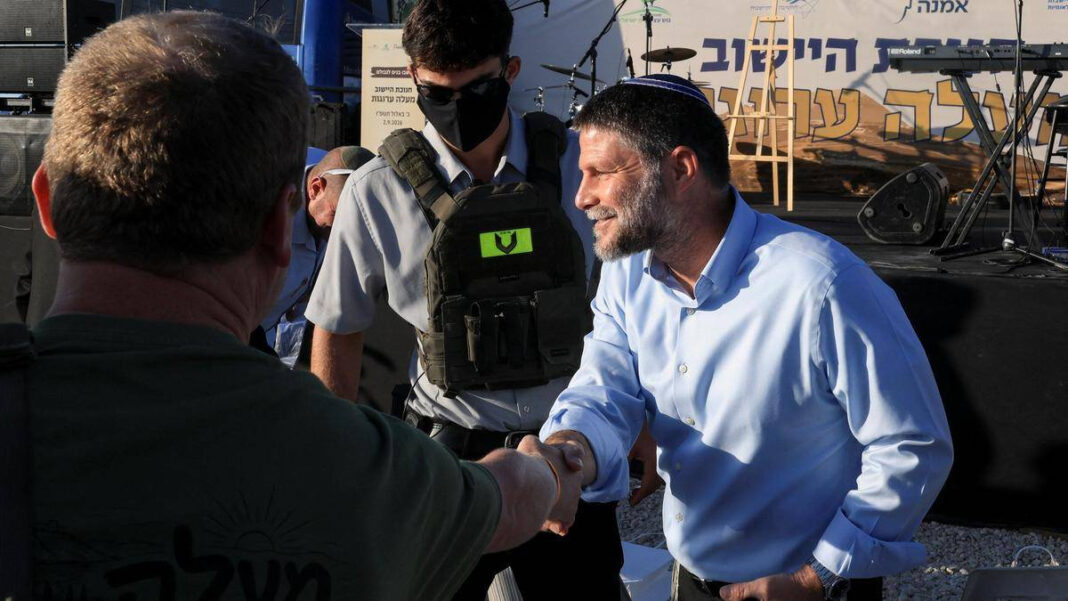
The Israeli minister, who belongs to a far-right faction of the government, has publicly called for a robust military operation in the West Bank, citing security threats and violence against Israeli citizens as justification. This rhetoric echoes sentiments from some sectors of the Israeli populace who view assertive military action as a necessary means to ensure safety.
Furthermore, the official has stirred controversy by suggesting the annexation of parts of Lebanon and Gaza, arguing that such actions would serve Israel’s strategic interests. This call for territorial expansion is reminiscent of historical policies that seek to cement Israeli control over territories deemed vital for national security.
Reactions and Implications
The minister’s comments have elicited a swift backlash. Palestinian leaders condemned the statements as incitement to violence that exacerbates the already volatile situation. Human rights organizations have similarly expressed alarm, warning that a war in the West Bank could lead to significant civilian casualties and further undermine efforts for peace.
Internationally, the rhetoric has raised eyebrows among foreign governments and organizations. The prospect of annexing parts of Lebanon and Gaza threatens to complicate already strained relationships between Israel and its neighbors. Many diplomats have voiced concerns that such unilateral actions would violate international law and hinder the peace process, pushing any prospect of a two-state solution further out of reach.
The Historical Context of Annexation
Annexation in the Israeli context has a fraught history. The annexation of East Jerusalem and the Golan Heights has been viewed by the international community as illegal under international law. The notion of applying sovereignty over more territories raises questions about Palestinian rights and the future of statehood.
Furthermore, past military operations, whether in Gaza or the West Bank, have led to cycles of retaliatory violence, exacerbating the humanitarian situation and undermining security for both Israelis and Palestinians. Calls for war or military escalation could inflame animosities and set back efforts for dialogue and understanding.
Conclusion: A Call for Restraint
The recent call for war and annexation by an Israeli minister underscores the critical need for restraint and diplomacy in the ongoing conflict. As tensions continue to rise, it is imperative that leaders from all sides prioritize dialogue and constructive engagement over military action. The grave implications of such rhetoric should serve as a reminder of the urgent need for peace efforts and a commitment to coexistence in this deeply divided region.
As the world watches, the hope remains that rational voices will prevail and lead to a more peaceful and secure future for both Israelis and Palestinians, fostering a climate where dialogue rather than conflict defines the path ahead.