 "
/>
"
/>

Lavrov Dismisses Meeting with Germany
Escalating Tensions: Strikes Kill 6 in Ukraine, 1 in Russia Amid Failed De-escalation Efforts
The ongoing conflict between Ukraine and Russia has witnessed another tragic chapter, as recent strikes have left six individuals dead in Ukraine and one in Russia. This latest surge in violence coincides with Moscow’s outright rejection of German calls for de-escalation, raising concerns about the potential for further escalatory measures in the region.
Context of the Conflict
The hostilities between Ukraine and Russia have persisted for years, fueled by complex historical, political, and social tensions. Since the annexation of Crimea by Russia in 2014 and the subsequent conflict in Eastern Ukraine, the situation has remained volatile and fraught with military engagements. Efforts toward peace and resolution have been sporadic, with numerous attempts at ceasefires often collapsing amid mutual distrust and accusations.
The Latest Strikes
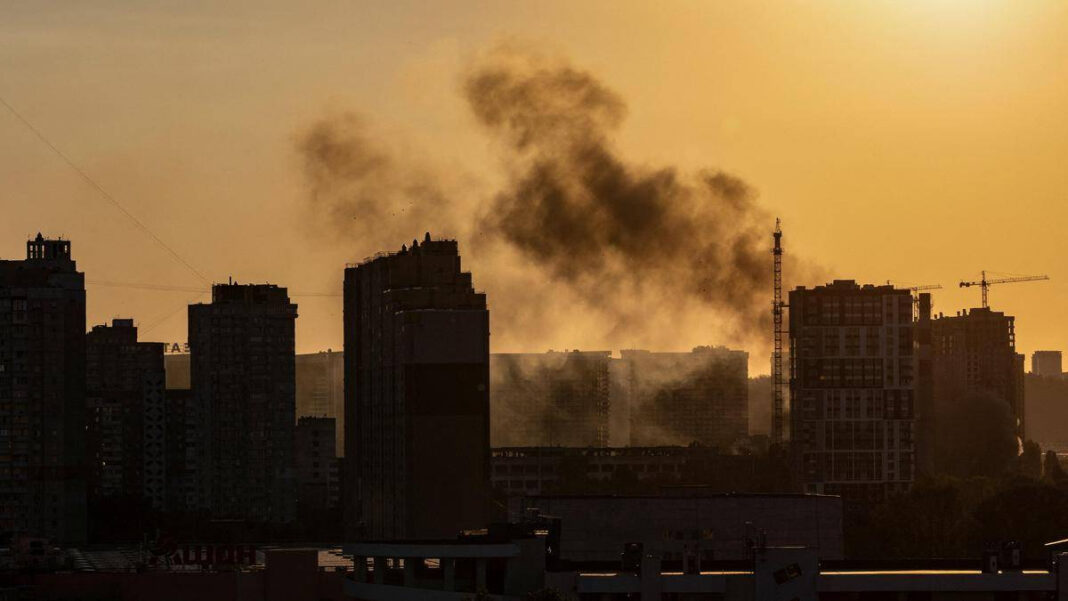
Reports indicate that the strikes in Ukraine occurred in several locations, leading to civilian casualties and causing significant damage. Eyewitness accounts describe the chaos of the attacks, with emergency responders rushing to the scene to assist the injured and recover the deceased. The tragedy serves as a stark reminder of the human cost of the ongoing conflict, which continues to plague the region.
Separately, a strike in Russia has claimed the life of one individual, which has prompted outrage among Russian authorities. While details about that attack remain scarce, the Kremlin’s response is expected to be forceful, particularly in light of the heightened rhetoric surrounding national security.
Germany’s Call for De-escalation
Amid these developments, Germany has emerged as a key player, appealing to Moscow to engage in de-escalation efforts. German officials have recognized the urgent need to reduce hostilities and pave the way for potential negotiations. However, Moscow has dismissed these calls, insisting that they are unnecessary and asserting its stance as justified in its military operations.
This refusal to engage in dialogue reflects a broader trend of escalating tensions. As both sides maintain their positions, the prospect of achieving a peaceful resolution seems increasingly elusive. Analysts suggest that the lack of willingness to compromise could lead to a further deterioration of the situation, exacerbating the humanitarian crisis in Ukraine while increasing instability in Russia.
The International Community’s Role
The international community remains concerned about the escalating violence. Many nations have condemned the strikes and expressed solidarity with Ukraine, while also urging Russia to reconsider its military posture. Diplomatic efforts by various countries and international organizations continue, but effectiveness appears hindered by the entrenched positions held by both sides.
The ongoing conflict has not only affected those directly involved but has also raised alarm bells globally. As the situation unfolds, there is an urgent need for concerted efforts to mitigate suffering and establish pathways toward negotiation.
Conclusion
The recent strikes that have resulted in civilian casualties highlight the stark realities of war and the urgency of diplomacy in resolving the crisis between Ukraine and Russia. The rejection of de-escalation talks by Moscow poses a significant challenge to peace initiatives, making it imperative for the international community to seek innovative solutions to foster dialogue. As the casualties accumulate, the hope for a peaceful resolution remains ever more critical, underscoring the need for cooperation and commitment to end the suffering of those caught in the crossfire.