 "
/>
"
/>

Sayak Chakraborty: ₹2.5 lakh
Shamik Adhikary: ₹13 lakh
Sangit Sarkar: ₹2 lakh
Pinakpani Ghosh: ₹5.25 lakh
Priyanka Sarkar: ₹15 lakh
Political Reactions
Title: The Controversial Intersection of Social Media Influence and Politics in Bengal: The Kolkata Restaurant Beef Row
In recent months, a controversy has emerged from the heart of Kolkata that highlights the volatile interplay between social media influencers, politics, and community sentiments. The incident, which appears to be rooted in a social media post regarding beef served at a restaurant, has ignited a storm of debate and raised questions about the motivations and funding behind influencers in West Bengal.
The Beef Row Incident
The uproar began when a popular YouTuber, known for his food vlog series, shared a video featuring beef dishes from a Kolkata restaurant. The post sparked outrage among certain sections of the community, given the cultural and religious sentiments surrounding beef consumption, especially among certain Hindu groups. In a state like West Bengal, where religious and cultural identities are deeply intertwined, the YouTube clip quickly captured public attention and led to fierce debates online and offline.
The restaurant, once celebrated for its unique culinary offerings, found itself at the center of a massive controversy as calls for boycotts emerged. The backlash included threats and protests, revealing how digital platforms shape public opinion and mobilize grassroots actions in the age of social media.
The Political Underpinning
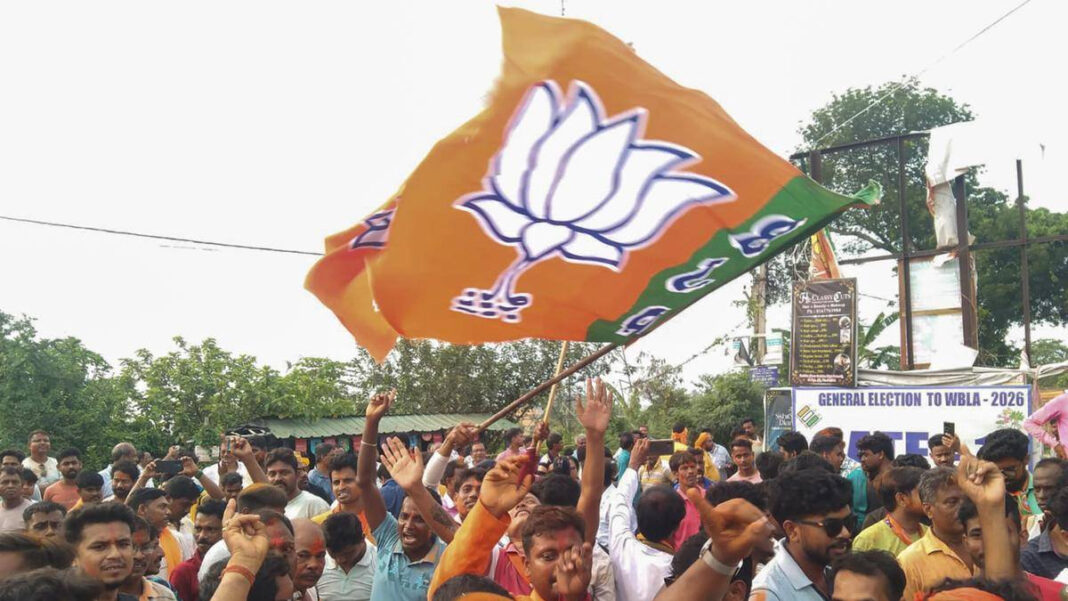
As the dust settled on the restaurant beef row, a more insidious narrative began to unfold—one that links social media influencers to political machinations during the recent West Bengal assembly elections. Reports suggest that several prominent influencers, RJs (radio jockeys), and even actors may have received funding from the Bharatiya Janata Party (BJP) to sway public opinion in their favor during the polls.
Investigative pieces have surfaced that indicate a network of influencers who, while showcasing their charisma and creativity on digital platforms, may have also been subtly pushing a political agenda favorable to the BJP. With the party’s ambitions to extend its reach into the culturally rich yet politically diverse landscape of Bengal, these influencers appeared to have played a dual role—entertaining the audience while potentially promoting the party’s narratives.
Social Media as a Political Tool
In an age where digital footprints can magnify messages across demographics, the power wielded by influencers is hard to ignore. During the Bengal elections, social media platforms served not only as venues for entertainment but also as battlegrounds for ideological clashes. Influencers wielding significant clout can effectively sway public opinion, potentially influencing voter behavior.
The BJP, understanding the significance of grassroots connectivity via social media, allegedly funneled resources into the hands of these influencers to create a favorable political environment. Such trends raise ethical questions about transparency and accountability in digital influence, akin to the debates surrounding political advertising in traditional media.
Implications for Society
The convergence of social media, celebrity influencers, and political funding signals a troubling shift in how communities engage with both entertainment and governance. The beef row serves as a cautionary tale about the potential for social media narratives to escalate cultural tensions and incite conflict. Moreover, it underscores the necessity for audiences to critically evaluate the content they consume and the affiliations behind influencer personas.
As the lines blur between personal branding and political advocacy, society must grapple with the responsibility that comes with digital influence. The beef row debacle and its implications for political maneuvering serve as a potent reminder of the complexities involved in the digital age, where every post, clip, or tweet can have far-reaching effects beyond entertainment.
Conclusion
As the influence of social media continues to grow, the lessons from the Kolkata restaurant beef row emphasize the importance of discernment and transparency in both content creation and consumption. It is a clarion call for both audiences and creators to engage thoughtfully, understanding that the borders separating culture, politics, and personal expression can often become perilously thin. In the evolving landscape of digital influence, the stakes are high, and the consequences profound.