 "
/>
"
/>

Nandigram: A Struggle for Recognition
The Constituency
Key Candidates
Major Issues and Campaign Strategies
Voices of the Electorate
Rejinagar: Messages on the Walls
The Constituency
Key Candidates
Major Issues and Campaign Strategies
Voices of the Electorate
Nandigram and Rejinagar Bypolls: Ballot Without the Battle
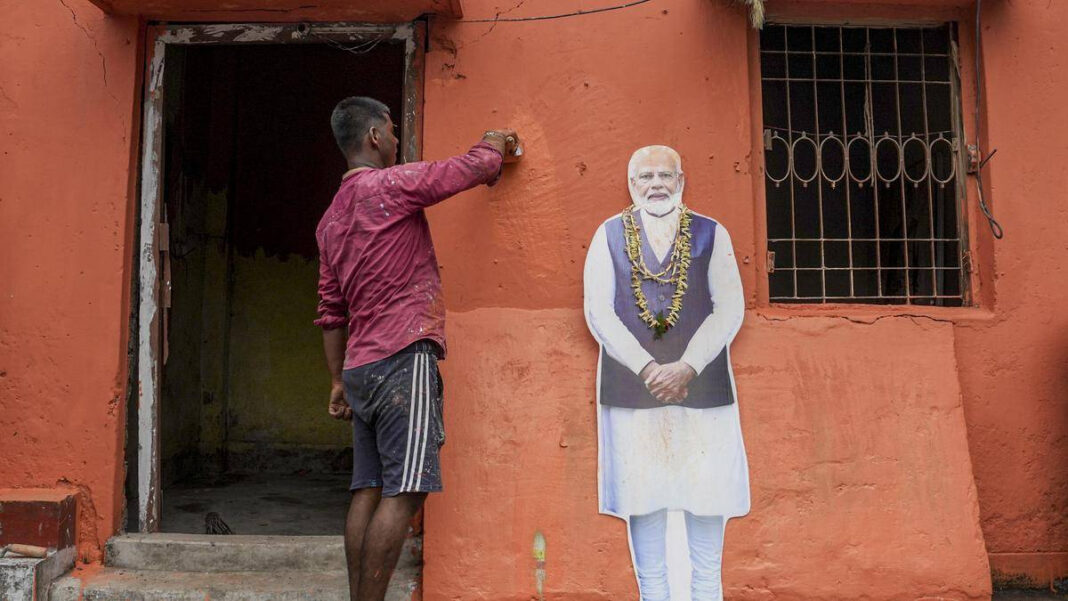
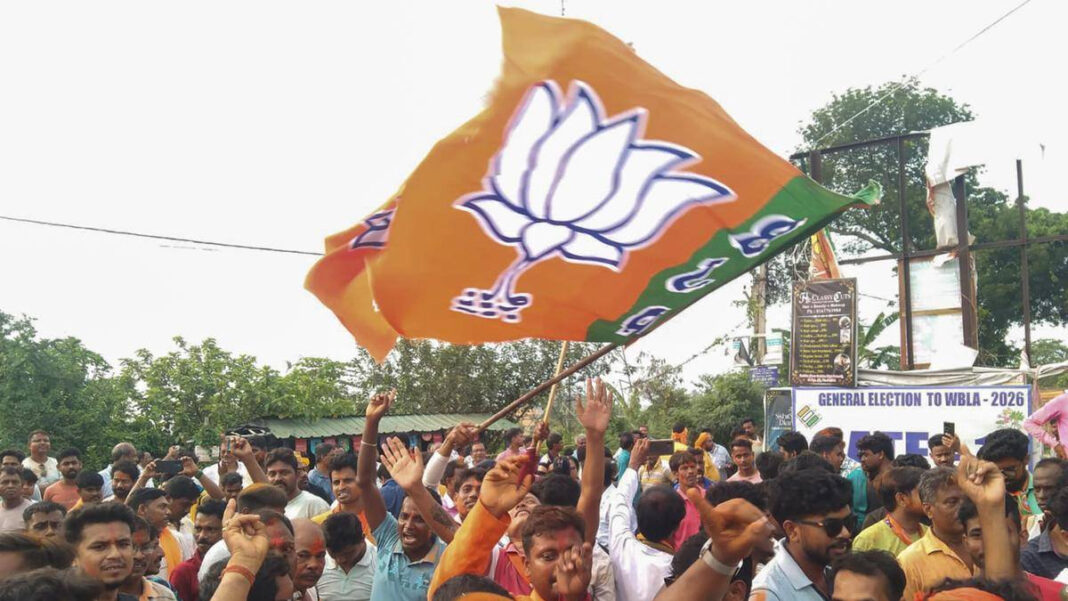
The political landscape of West Bengal has long been characterized by intense rivalry, especially in pivotal regions like Nandigram and Rejinagar. These areas have been hotbeds of electoral activity, frequently witnessing fervent contests and noteworthy power shifts. But as the recent bypolls in these constituencies unfolded, the narrative surrounding them took a different shape, manifesting in what can be described as a “ballot without the battle.”
Background Context
Nandigram, where the movement against land acquisition took root in 2007, catapulted the area’s significance onto the national stage, entwining it with the Communist Party of India (Marxist) and later, the Trinamool Congress (TMC). Its political history is marred with tensions, protests, and the unmet aspirations of its people. Meanwhile, Rejinagar has similarly been a bellwether of political sentiment, acting as a microcosm of the broader shifts in West Bengal’s polity.
Historically, both constituencies have seen fervent contests, often filled with allegations of violence, intimidation, and electoral malpractices. However, the recent bypolls have presented a startlingly different reality, one characterized more by deliberation than by division.
The Turnout and Trends
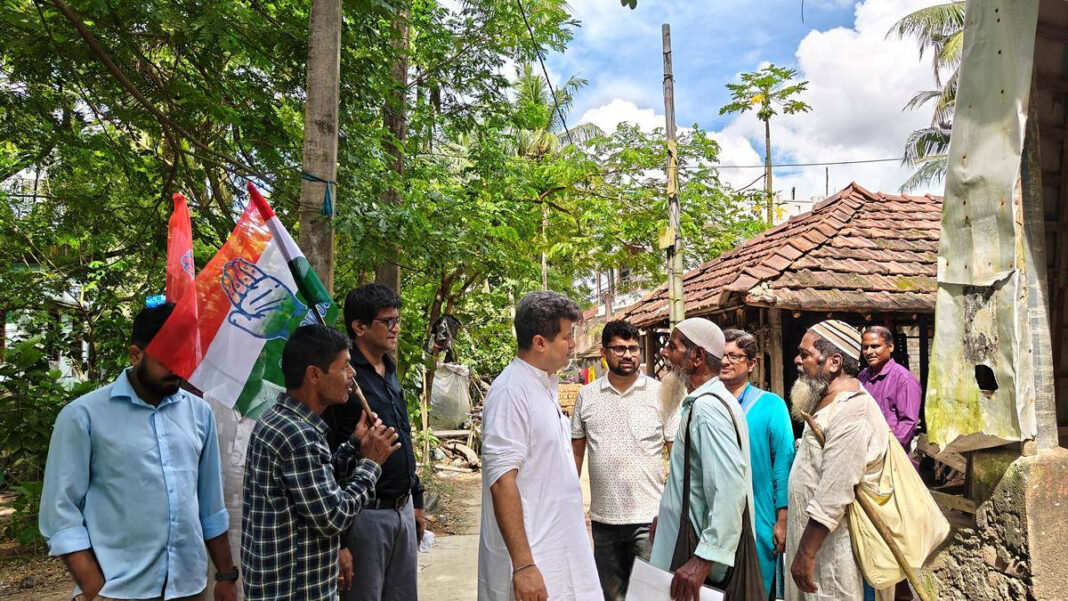
In these bypolls, voter turnout was notably high, reflecting a growing sense of civic responsibility among the electorate. This phenomenon can be attributed to several factors, including increased public engagement in the democratic process and a nationwide call for robust electoral participation. Interestingly, the absence of pre-election violence or significant opposition skirmishes marked these bypolls. Candidates campaigned with a focus on local issues rather than engaging in personal attacks or inflammatory rhetoric. Observers noted that it felt more like a dialogue between candidates and constituents, fostering a culture of constructive political engagement.
The Role of Parties and Leaders
Both the TMC and the Bharatiya Janata Party (BJP) fielded candidates in these elections, but the tone of their campaigns reflected a shift from traditional combative politics to one emphasizing governance and accountability. Leaders from both sides focused on outlining their vision for the constituencies, discussing developmental issues, and addressing voter concerns. While the BJP has been keen on expanding its footprint in West Bengal, the TMC, under the leadership of Chief Minister Mamata Banerjee, remained committed to reinforcing its hold and demonstrating its governance track record.
Seniority and experience among candidates also played a role in shaping the campaigns. With many candidates being seasoned politicians, the stakes felt high but the approach significantly more inclusive. This shift suggests a potential transformation in the political culture of West Bengal, moving toward a more mature electoral process.
The Significance of a Peaceful Electorate
The peaceful nature of the bypolls signifies not only a change in strategy among political parties but also a deep-seated change in the electorate’s mindset. Voters in Nandigram and Rejinagar seem to demand accountability over chaos, reflecting an inherent desire for stability and progress. The eligibility of the electoral process might point to a broader regional trend, wherein voters are less inclined to be pawns in political machinations and more motivated to make informed electoral choices.
Conclusion
The recent bypolls in Nandigram and Rejinagar are emblematic of a potential new chapter in West Bengal’s political narrative—one driven by voter engagement, constructive discourse, and a peaceful electoral process. As the dust settles on this latest democratic exercise, observing how the elected representatives approach governance will be crucial. Will they uphold the transparency and integrity that voters seek, or will political rivalries re-emerge with greater ferocity as the next general elections approach?
Regardless of the outcome, the recent bypolls demonstrate that change is possible, paving the way for a political climate where ballots can be cast without battles, fostering a more democratic and inclusive West Bengal.