 "
/>
"
/>

A Journey Through Time: The Shekhwati Legacy Showcased in New Delhi Exhibition
In a dazzling celebration of art, culture, and history, the recent exhibition held in New Delhi has cast a spotlight on the Shekhwati region, an area renowned for its rich heritage and artistic endeavors. Known for its distinct blend of Rajasthani culture and intricate craftsmanship, Shekhwati’s glory days are meticulously recalled through this exhibition, offering visitors a chance to immerse themselves in the region’s vibrant past.
The Shekhwati Region: A Brief Overview
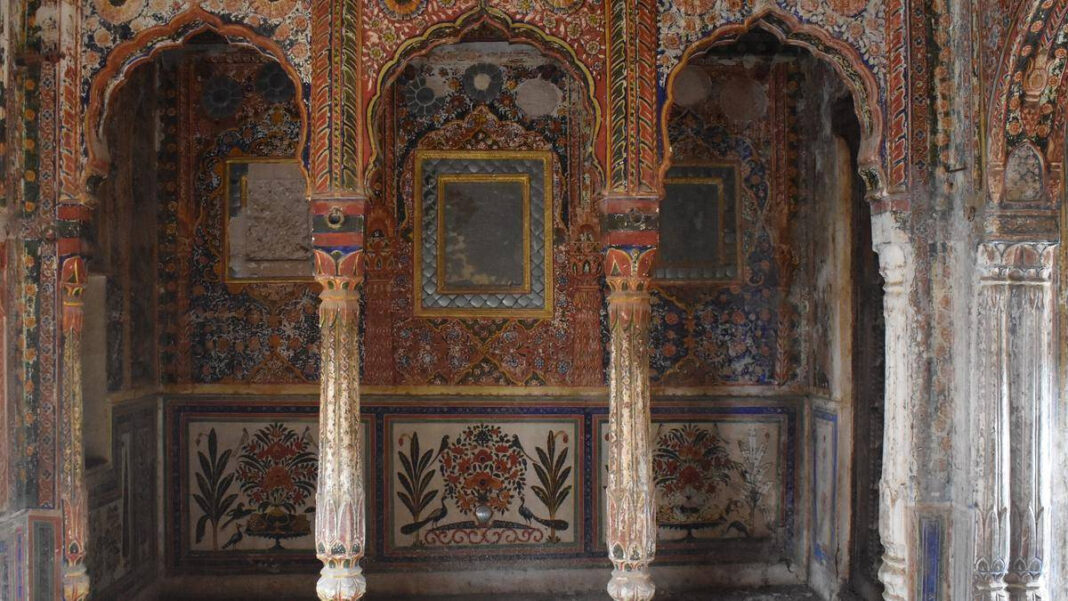
Located in the northeastern part of Rajasthan, Shekhwati is often referred to as the “open art gallery” of India. The region is famous for its beautiful havelis, vibrant frescoes, and exquisite handicrafts. Historically, Shekhwati was a major trade route, which led to an influx of wealth and the flourishing of arts and architecture during the 18th and 19th centuries. The wealthy merchant families who settled here adorned their mansions with intricate murals depicting mythology, daily life, and nature, thereby capturing the essence of their time.
Exhibition Highlights
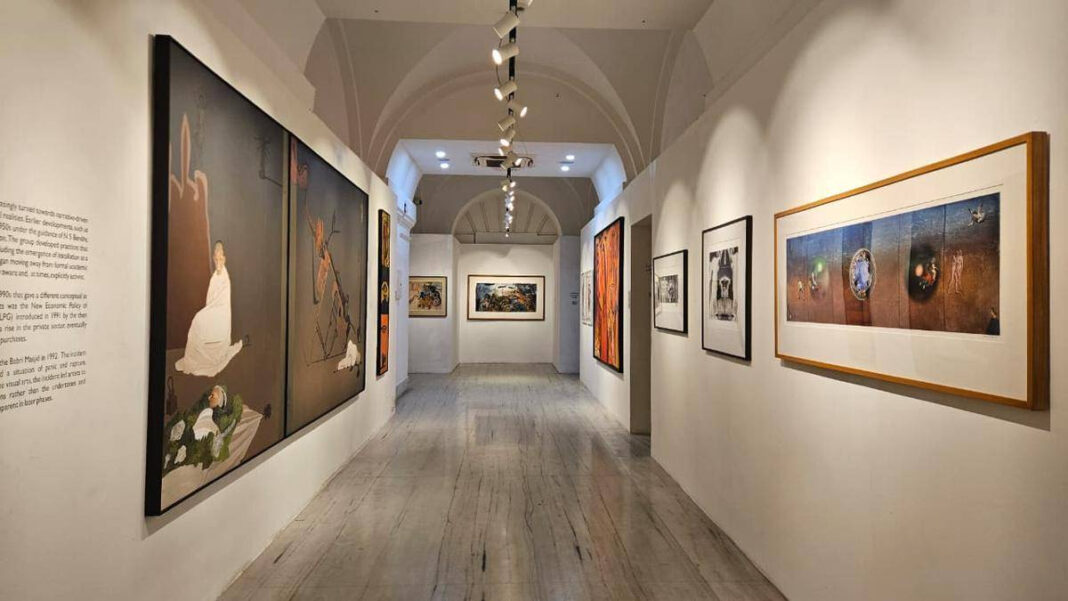
The exhibition brings together a diverse range of artifacts, artwork, and multimedia presentations that collectively narrate the story of Shekhwati. Curated with care and precision, it features:
-
Frescoes and Murals: The centerpiece of the exhibition is a collection of vibrant frescoes that echo the traditional art styles of Shekhwati. These works not only showcase the remarkable talent of local artists but also portray poignant tales from Indian folklore and mythology.
-
Photography and Documentation: A dedicated section showcases photographs capturing the current state of these havelis, juxtaposing them against historical imagery. This visual narrative allows visitors to witness the contrast between the region’s past glory and the present state of its architectural heritage.
-
Handicrafts and Artisanal Products: The exhibition also features a marketplace where local artisans can display and sell their traditional crafts—ranging from blue pottery to textiles—preserving the artistic legacy of the region while supporting contemporary artisans.
- Interactive Sessions: Engaging talks and workshops led by local historians, artists, and artisans provide an interactive platform for attendees to delve deeper into the Shekhwati culture. These sessions foster discussions about preservation efforts and the importance of sustaining the region’s artistic traditions.
Cultural Significance and Preservation Efforts
One of the most critical aspects highlighted in the exhibition is the urgent need for preservation. Many havelis of Shekhwati are in a state of disrepair, and the traditional arts are at risk of fading into obscurity. By reviving interest in these artistic expressions, the exhibition aims to encourage local and national efforts to protect and restore this invaluable cultural heritage.
Visitors are reminded that the story of Shekhwati is emblematic of broader issues facing many traditional art forms in India today. As urbanization and globalization threaten to overshadow local cultures, this exhibition serves as a call to action—both to cherish and to revitalize these time-honored practices.
Conclusion
The exhibition celebrating the Shekhwati region in New Delhi is a poignant reminder of India’s rich cultural tapestry and the importance of preserving its heritage. By traveling back in time through art and artifacts, attendees are not only informed about the region’s past but are also inspired to become custodians of its future. This showcase of Shekhwati’s glories isn’t just an exhibition; it’s a heartfelt tribute to a significant chapter in India’s cultural history and a hopeful vision for its preservation. As the exhibition continues to attract art lovers and history enthusiasts, it underscores the timelessness of cultural legacy and its pivotal role in shaping identity and community.