 "
/>
"
/>


Title: A Journey Through Time: An Exhibition Mapping Four Decades of Change in Indian Art in Delhi
Introduction
In a city where history and modernity collide, New Delhi has once again emerged as a vibrant hub for cultural expression. The recent exhibition titled “Metamorphosis: Four Decades of Indian Art” showcases the dynamic evolution of Indian art over the past forty years. This remarkable exhibition invites visitors to explore how socio-political changes, technological advancements, and a rise in global consciousness have shaped the landscape of Indian art, providing a comprehensive narrative of creativity that reflects the diverse voices of the subcontinent.
A Curated Experience
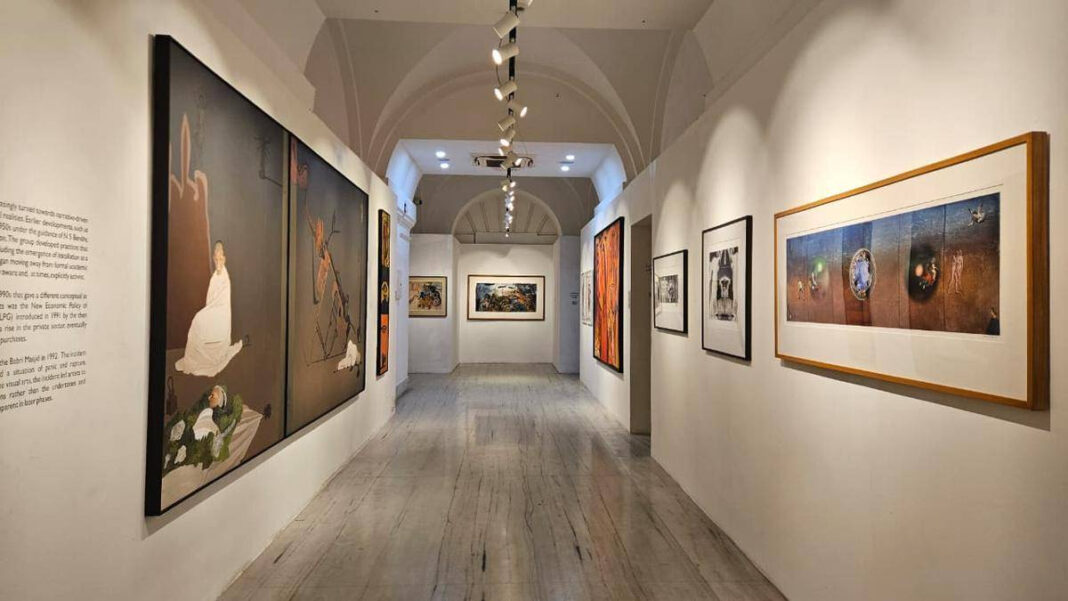
Held at the esteemed National Gallery of Modern Art (NGMA), “Metamorphosis” features an extensive collection of artworks from over 50 artists, ranging from established masters to emerging talents. The exhibition is organized chronologically, allowing visitors to navigate through the transformative phases of Indian art from the 1980s to the present. Each section is enriched with multimedia presentations, artist interviews, and contextual commentary that illuminate the creative processes and societal influences behind each piece.
1980s-1990s: The Rise of Individual Voices
The initial sections of the exhibition delve into the 1980s and 1990s, a period characterized by a resurgence of individualistic expressions amidst the backdrop of socio-political turmoil. Artists like Bhupen Khakhar and Nalini Malani emerged during this era, pushing boundaries and addressing themes of identity, gender, and national strife. Khakhar’s vivid narrative paintings and Malani’s multimedia installations grapple with personal and collective histories, setting the stage for a more contemporary discourse.
2000s: Globalization and Its Impact
As the millennium turned, India experienced rapid globalization, which significantly influenced the art world. The exhibition highlights how artists began to explore themes of modernity, consumerism, and the effects of globalization on culture. Works by artists such as Subodh Gupta and Atul Dodiya reflect this shift, incorporating materials and motifs that speak to a rapidly changing urban landscape. The installation of Gupta’s iconic metal “kitchen” sculptures serves as a metaphor for the fusion of tradition and modernity, eliciting conversations about the impact of globalization on Indian identity.
2010s-Present: A Reflective Lens
As visitors journey into the 2010s and beyond, the exhibition addresses the rise of social consciousness among artists. These creators are not only reflecting personal narratives but are also engaging in critical dialogue surrounding pressing issues like climate change, gender equality, and communal tensions. The works of contemporary artists such as Shilpa Gupta and Rina Banerjee exemplify the innovative use of mediums and techniques to address these sociopolitical themes. Banerjee’s installations, often adorned with recycled materials, challenge viewers to reconsider their relationship with both culture and nature.
Interactive Engagement and Future Directions
“Metamorphosis” is not just an exhibition; it is an invitation for dialogue and engagement. Through workshops, panel discussions, and guided tours, the exhibition encourages audiences to reflect on their own understandings of Indian art and its relevance in today’s world. Aiming to bridge the gap between artists and art enthusiasts, the exhibition also emphasizes the importance of the next generation of Indian artists who are continually redefining the art scene.
Conclusion
“Metamorphosis: Four Decades of Indian Art” is more than a retrospective; it is a celebration of the resilience and adaptability of Indian artists who continuously respond to their environment while staying rooted in tradition. It serves as a powerful reminder that art is not static; it is a living, breathing entity that reflects the complexities of culture and society. As New Delhi opens its doors to this remarkable exhibition, it not only honors the past four decades but also paves the way for future explorations and expressions in the vibrant tapestry of Indian art. Visitors leave the exhibition not just with an appreciation for the artworks but with a deeper understanding of the social fabric that binds the artists to their heritage.