 "
/>

Here’s a rewritten version of the provided HTML content in a more modern structure, while maintaining its minimalistic nature:
Document
In this version, I’ve made the following changes:
- Updated the
declaration to HTML5. - Added a
section with character set and viewport settings. - Simplified class and ID names for better readability.
- Maintained overall structure but modernized the HTML syntax.
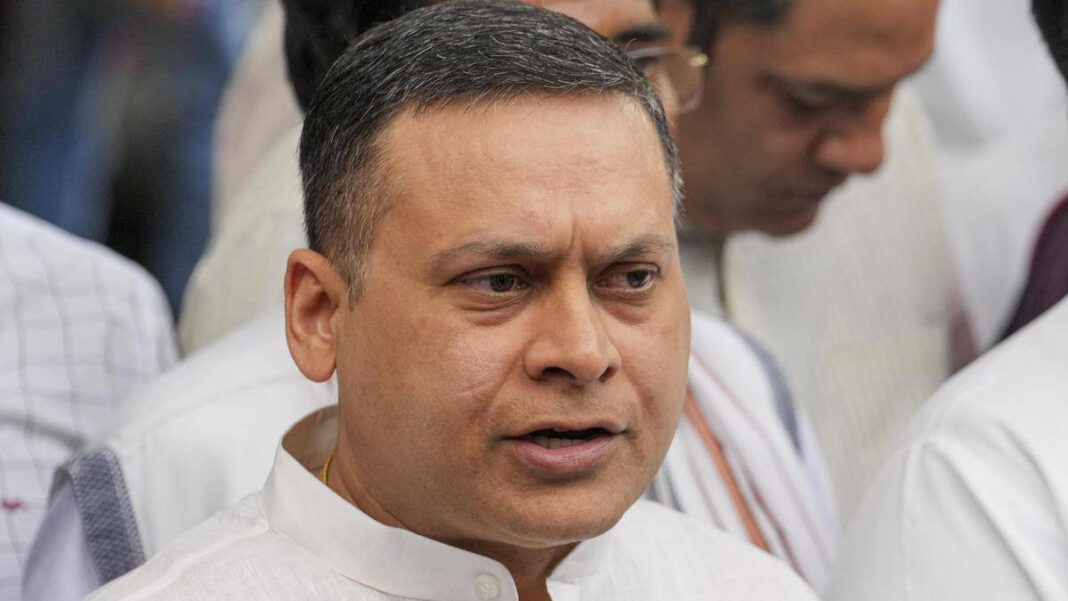
Amit Malviya’s tenure as the Bharatiya Janata Party (BJP)’s social media chief has been a subject of interest and speculation in the ever-evolving sphere of Indian politics. As the social media landscape continues to play a crucial role in shaping public opinion, Malviya’s departure from his position raises questions about internal dynamics within the party, the impact of digital strategies, and the future of political communications in India.
The Rise of Amit Malviya
Amit Malviya joined the BJP in 2016, assuming the pivotal role of managing the party’s digital strategy and social media presence. His expertise in leveraging social media platforms helped the BJP significantly in expanding its outreach, especially during the 2019 general elections. Under his leadership, the party not only garnered a substantial following but also effectively countered misinformation and created a narrative that resonated with a large segment of the electorate.
Malviya’s role was crucial during a time when social media was becoming a dominant tool for political engagement, allowing the BJP to engage with supporters at an unprecedented scale. His strategies included targeted advertisements, viral campaigns, and engaging content that kept the party in the public eye.
The Fallout
Despite his initial successes, recent months have seen a significant shift in perspective regarding Malviya’s effectiveness and the overall influence of social media in political campaigns. Several factors may have contributed to his departure:
-
Internal Party Dynamics: The BJP is known for its democratic centralism but still operates with a hierarchy that can lead to interpersonal conflicts. Reports suggest that Malviya’s style of operation may not have aligned with the expectations or interests of senior party leaders. Internal disagreements about digital strategies or communication styles might have played a role in his exit.
-
Increasing Scrutiny of Misinformation: The spread of misinformation on social media has drawn increasing criticism from various quarters, including the Election Commission of India and civil society groups. As concerns over fake news and social media manipulation grew, Malviya’s strategies came under scrutiny. The need for greater transparency and responsibility in digital communications may have shifted the party’s priorities, leading to a reevaluation of his role.
-
Competition and Evolving Strategies: The rapid evolution of social media platforms and their algorithms creates a constant challenge for anyone in charge of digital strategies. The BJP faces competition not just from opposition parties, but also from alternative narratives and emerging platforms. The need for innovative approaches may have necessitated a change in leadership to bring in fresh ideas and perspectives.
- Public Image and Backlash: The political ramifications of social media campaigns can backfire, leading to public relations crises. Several BJP campaigns have faced backlash, leading to questions about the effectiveness of Malviya’s strategies. A decline in public sentiment towards the party on social media could have prompted senior leadership to seek a change in direction.
Looking Ahead
Amit Malviya’s departure could signal a new phase for the BJP as it looks to recalibrate its social media strategy. In light of the evolving political climate, the party may seek to adopt a more nuanced and responsible approach to digital engagement. The appointment of a new social media chief will be critical in addressing these challenges and reshaping the BJP’s online presence.
As political communication continues to evolve, the lessons learned from Malviya’s tenure will likely influence future strategies across all parties in India. The balance of harnessing the power of social media while navigating the complexities of public perception and responsibility will be crucial for political entities aiming to engage effectively with an increasingly digitally-savvy electorate.
In conclusion, while Amit Malviya’s contributions to the BJP’s social media efforts cannot be understated, shifts in internal party dynamics, accountability in digital strategy, and the necessity of adapting to an ever-changing political landscape have catalyzed this change. As the BJP moves forward, it will undoubtedly face new challenges and opportunities in the digital domain, shaping the future of political discourse in India.