 "
/>

Rahul’s Street Politics Signals a New Opposition Playbook
In recent months, the political landscape of India has witnessed a significant shift as Rahul Gandhi, the leader of the Indian National Congress, has embraced a more grassroots approach to his party’s strategy. This shift towards street politics resonates with the public in a way that traditional political tactics have failed to do in recent years. As the ruling party faces mounting criticism over issues such as unemployment, inflation, and social justice, Gandhi’s new strategy signals the emergence of a novel playbook for India’s opposition.
A Shift in Strategy
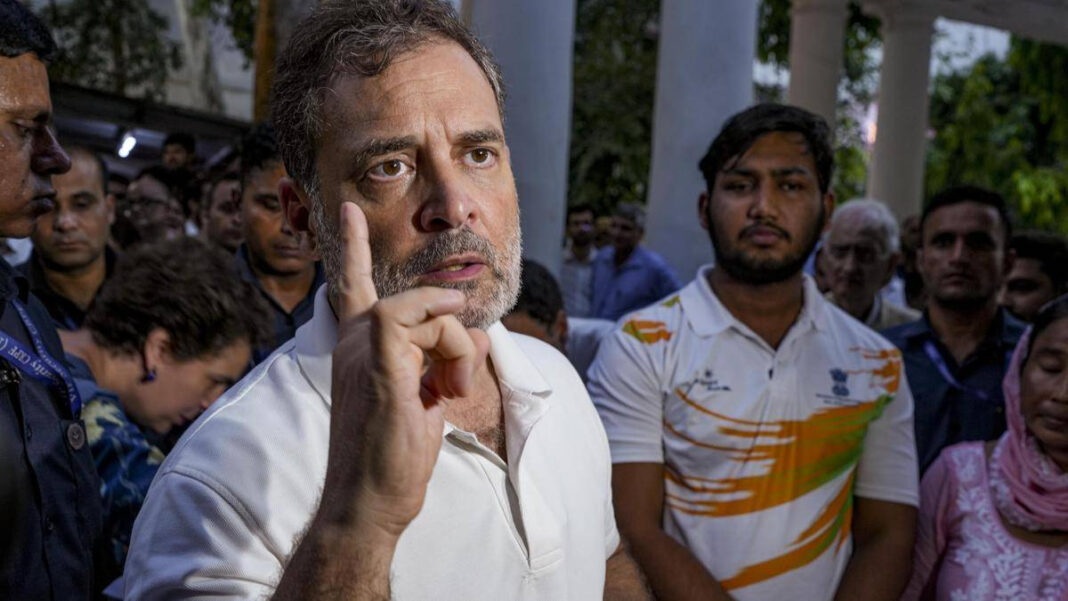
Historically, the Congress has grappled with an image of being out of touch with the common citizen. However, Rahul Gandhi’s recent initiatives, marked by public rallies, protests, and engagement with civil society, demonstrate a strategic pivot aimed at directly addressing the concerns of the populace. This newfound commitment to street politics is not only about voicing dissent but also about rallying support through empathetic dialogue and participatory action.
By venturing into the heart of local communities and addressing their grievances, Gandhi has positioned himself as a leader who is willing to listen and act on the issues that matter most to citizens. His presence on the streets symbolizes a rejection of elitism and an embrace of grassroots activism, allowing him to reconnect with the electorate that may have previously felt abandoned.
Connecting with the Youth
One of the most notable aspects of Rahul Gandhi’s street politics is his appeal to the youth, who constitute a significant portion of India’s electorate. Facing high unemployment rates and disillusionment with the current administration, young Indians are increasingly looking for leaders who understand their struggles. By leveraging street politics, Gandhi has been able to resonate with this demographic, addressing their concerns directly and offering a vision for a more equitable future.
Engagement through social media has also played a crucial role in this outreach strategy. By sharing insights and experiences from his on-ground activities, Gandhi has made his campaign more relatable, tapping into the digital-savvy nature of young voters. The combination of physical presence in the community and an active online engagement strategy has allowed Gandhi to forge a stronger connection with the electorate.
A Collective Movement
Beyond just improving his party’s image, Gandhi’s street politics have the potential to unify various opposition factions. By prioritizing collaboration over rivalry, he is signaling a willingness to forge alliances and create a collective front against the ruling party. This shift toward a more inclusive opposition strategy has been evident in recent protests and campaigns that have brought together multiple political entities under a shared vision of change.
This cooperative spirit is particularly crucial in the context of rising authoritarianism and the erosion of democratic norms in India. By fostering a sense of solidarity among diverse political groups, Gandhi is not only strengthening the opposition but also enhancing the prospects for meaningful political discourse in the country.
Challenges Ahead
While the embrace of street politics offers a renewed hope for the Congress party, challenges remain. Critics question whether Gandhi can consistently maintain this momentum and scale his grassroots initiatives into a viable electoral strategy. Moreover, the ruling party’s entrenched power and ability to control narratives can complicate efforts to gain traction and sway public opinion.
Additionally, the effectiveness of street politics hinges on the ability to translate public sympathy and participation into votes during elections. Gandhi and his team must devise clear policies that not only resonate with citizens but also offer concrete solutions to the issues at hand.
Conclusion
Rahul Gandhi’s approach to street politics represents a transformative moment for the Indian National Congress and sets a precedent for opposition strategies nationwide. By diving deep into the concerns of citizens and fostering a collaborative political environment, Gandhi is redefining what it means to be an opposition leader in India. Whether this new playbook will bear fruit during upcoming elections remains to be seen, but the signals are clear: engagement, empathy, and grassroots activism might just be the keys to an effective opposition in an increasingly polarized political landscape.