 "
/>
"
/>

Trade Wars and Reciprocal Tariffs
Securing Rare Earth Minerals
Geopolitical Tensions
Artificial Intelligence
President Xi Jinping’s Washington Visit: Schedule
Trump-Xi Summit in Washington: Key Topics of Discussion, Schedule, and More
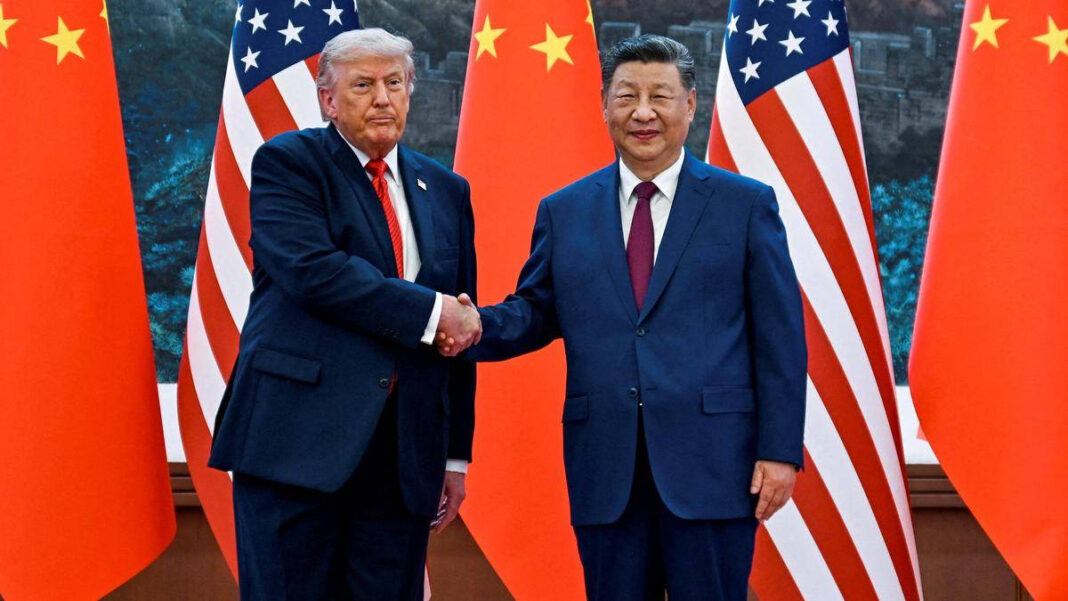
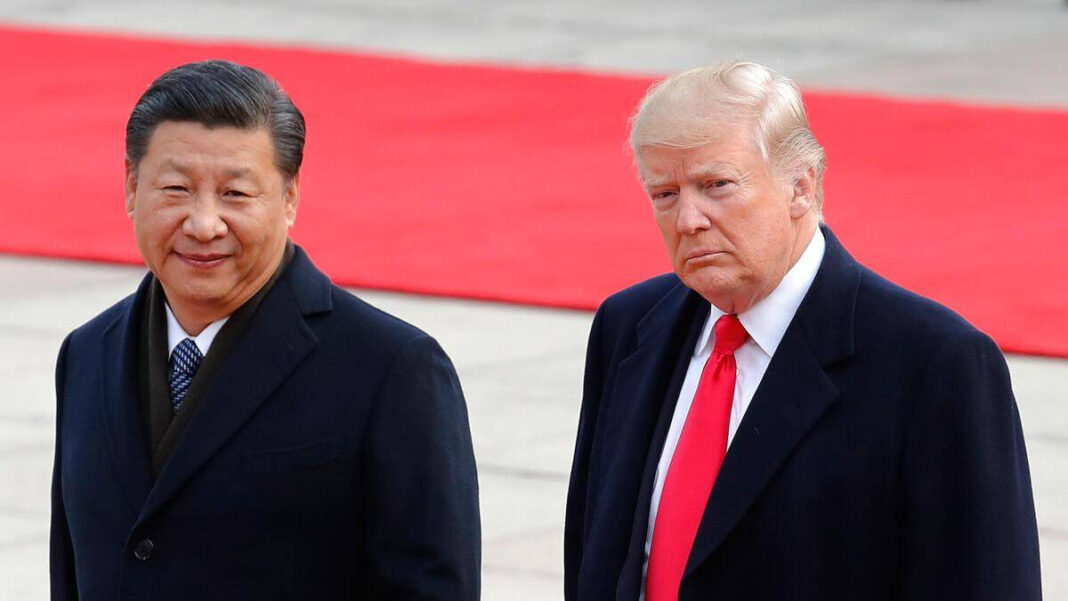
In a highly anticipated diplomatic event, former President Donald Trump and Chinese President Xi Jinping met for a summit in Washington that aimed to address critical issues affecting both nations and the global landscape. This summit, which marks a significant step in Sino-American relations, followed years of heightened tensions over trade, military presence in the South China Sea, and human rights concerns.
Key Topics of Discussion
-
Trade Relations:
One of the summit’s primary focuses was on the trade relationship between the U.S. and China. President Trump reiterated his commitment to balancing the trade deficit and sought to navigate solutions related to tariffs that have caused economic friction. Discussions centered around the potential for a new trade agreement that could replace the phase one deal established during Trump’s presidency. -
Technology and Cybersecurity:
The summit addressed issues surrounding technology transfer and cybersecurity. Both leaders acknowledged the importance of protecting intellectual property rights while fostering an environment for technological collaboration. The conversation also touched on 5G technology and concerns over national security, especially related to companies like Huawei. -
Military Presence and Security Concerns:
The South China Sea remained a contentious issue, with President Trump expressing concerns over Chinese military expansion in the region. The discussion included ways to enhance military communications and prevent misunderstandings that could escalate into conflict. The leaders explored avenues for peaceful resolutions through diplomacy rather than military confrontation. -
Climate Change and Environmental Policy:
Both leaders recognized climate change as a global challenge requiring joint efforts for mitigation. The summit provided an opportunity for Trump to outline potential avenues for cooperation in clean energy technology and emissions reduction, following the renewed emphasis on environmental policy in both the U.S. and China. - Human Rights Issues:
Although a more sensitive topic, human rights discussions also had a place at the table. Issues concerning the treatment of Uighur Muslims in Xinjiang and the political situation in Hong Kong were raised. Trump emphasized the importance of human rights in maintaining international relations, albeit in a tone that sought to avoid alienating Xi.
Schedule of the Summit
The summit took place over two days, packed with high-profile meetings and discussions:
-
Day 1: The two presidents began with a private meeting lasting approximately two hours, where they set the agenda for discussions. This was followed by a working luncheon that included key advisors from both sides, providing an opportunity for more detailed discussions around the economic landscape.
- Day 2: The second day focused on joint press conferences and public statements, where both leaders highlighted the outcomes of their meetings. This day also included breakout sessions with specific delegations addressing topics such as trade, technology, and climate change.
Looking Ahead
The Trump-Xi summit was viewed as a pivotal moment in U.S.-China relations, especially in light of the forthcoming elections and changing geopolitical dynamics. Both leaders expressed optimism about the potential for cooperation, even amid recognized differences.
The implications of this summit extend beyond immediate bilateral concerns; the decisions made in Washington could have lasting impacts on international trade, global security, and climate policy. As the world watches, it remains to be seen how the outcomes of this summit will shape the future trajectory of relations between these two global powers.
Conclusion
In conclusion, the Trump-Xi summit in Washington served as a platform for reopening channels of communication and addressing urgent global challenges. While significant hurdles remain, the willingness of both leaders to engage in dialogue suggests a cautious yet hopeful path forward in U.S.-China relations. As the diplomatic landscape evolves, both nations will need to navigate their complex relationship with strategic sensitivity and a focus on mutual benefit.