 "
/>
"
/>

Iron Fist
Title: Houthis Threaten to Target U.S. Interests Amid Escalating Saudi Strikes in Yemen
In a recent statement that underscores the ongoing tensions in the Middle East, a military adviser for Yemen’s Houthi movement has issued a stark warning regarding the potential repercussions of U.S. support for Saudi-led military operations in the region. This announcement comes against the backdrop of a protracted civil war that has drawn in regional powers and exacerbated one of the world’s worst humanitarian crises.
Houthi Positioning
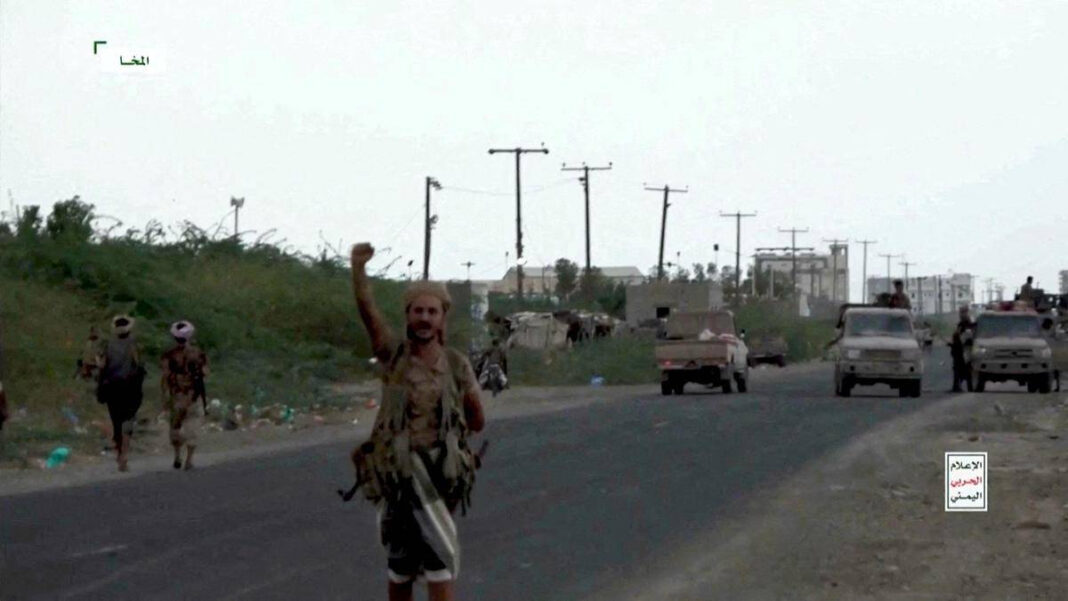
The Houthis, an armed group that emerged from northern Yemen and claims to represent the Zaidi Shia Muslim community, have been engaged in a fierce conflict with the internationally recognized government of Yemen, which is backed by a Saudi-led coalition. This coalition has been conducting airstrikes and ground operations against Houthi positions since 2015, with the goal of restoring the Yemeni government and curbing Houthi influence.
In light of increased military cooperation and support for the Saudi coalition from the United States, the Houthis have made it clear that they view American involvement as an act of aggression. The group’s military adviser warned that any further backing of Saudi-led strikes would provoke a direct response aimed at American interests in the region. This statement raises significant alarms regarding the potential for broader conflict and the involvement of U.S. forces in an already complex military theater.
Regional Implications
The implications of this threat are profound. The Middle East has long been a flashpoint for tensions involving proxy wars and competing interests among regional powers. If the Houthis follow through on their threats, U.S. interests—including military bases, ally nations, and shipping routes—could become targets, potentially leading to a cycle of retaliation that escalates into wider violence.
Analysts suggest that the Houthis’ penchant for missile and drone attacks could serve as a method to strike back at the U.S. without engaging in direct confrontation. Their increasing military capabilities, showcased by several attacks on Saudi infrastructure and even Israeli vessels, indicate a willingness to project power beyond Yemen’s borders.
Humanitarian Crisis and Global Attention
Compounding these military developments is the dire humanitarian situation in Yemen, which has suffered from famine, economic collapse, and widespread displacement since the conflict escalated. The war has claimed hundreds of thousands of lives, and millions more are at risk of starvation or lack access to basic health services. The international community, including human rights organizations, has often criticized U.S. support for the Saudi-led coalition due to reports of civilian casualties and the impact on crucial infrastructure.
As U.S. policymakers weigh their options, the balance between supporting an ally and addressing humanitarian concerns becomes increasingly delicate. The Houthis’ threats may further complicate these considerations, as any U.S. response could spark a reaction that endangers both American lives and the already vulnerable Yemeni population.
Conclusion
The dynamics in Yemen present a challenging landscape for U.S. foreign policy. As the Houthis continue to assert their power, any decisions to back Saudi operations could not only shift the balance of power in the region but also put American interests at risk. The potential for escalation necessitates a careful evaluation of military strategies and diplomatic avenues to foster a resolution that prioritizes stability and humanitarian aid over continued conflict. As the situation evolves, the world will be watching how this complex interplay between local factions, regional powers, and global interests unfolds.