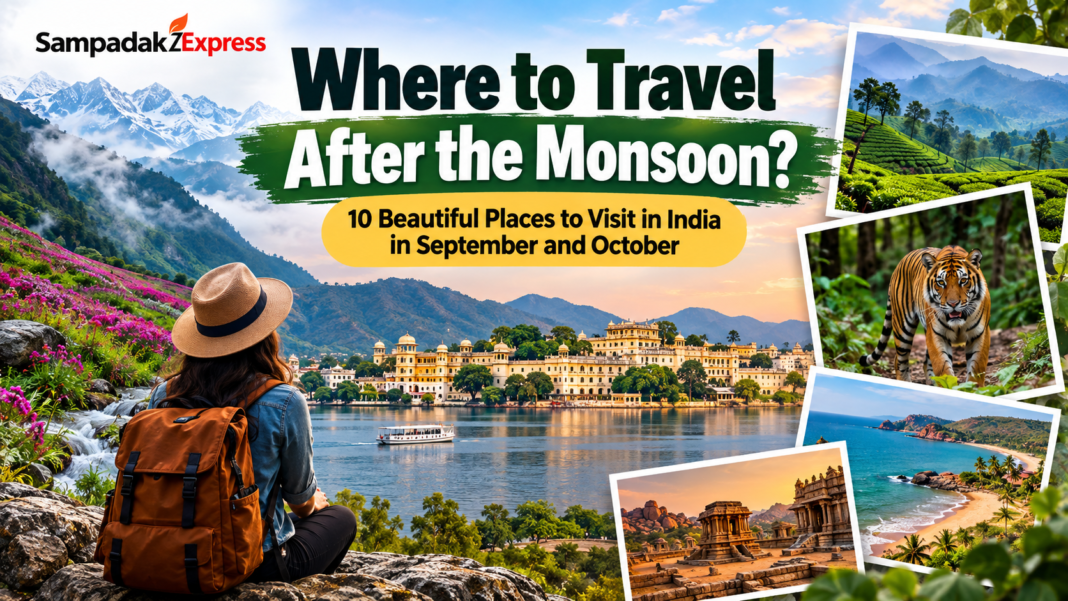

The monsoon season brings greenery, fresh air, flowing waterfalls, and a completely different look to many parts of India. As the rains begin to withdraw during September and October, the weather becomes more comfortable in several destinations, making this an excellent time to plan a trip.
From misty mountains and peaceful valleys to wildlife destinations and historic cities, India offers plenty of places to explore after the monsoon. If you are planning a trip during September or October, here are 10 beautiful destinations worth considering.
1. Valley of Flowers, Uttarakhand
The Valley of Flowers in Uttarakhand is one of India’s most beautiful Himalayan destinations. The monsoon transforms the valley into a colorful landscape filled with seasonal flowers, green meadows, and mountain views.
September can be a particularly attractive time to visit because the valley remains lush after the rains. The surrounding Himalayan scenery also makes the destination popular among nature lovers, trekkers, and photographers.
2. Udaipur, Rajasthan
Udaipur is known for its lakes, palaces, historic architecture, and romantic atmosphere. After the intense summer heat begins to ease, September and October can be a more comfortable period to explore the city.
Visitors can explore City Palace, Lake Pichola, Sajjangarh Palace, and the old streets around the historic areas. The greenery around the lakes can also make the city look especially attractive after the monsoon.
3. Munnar, Kerala
Munnar is a popular hill destination surrounded by tea plantations, rolling hills, forests, and waterfalls. The landscape becomes greener during and after the monsoon, creating beautiful views across the Western Ghats.
September and October can be a good time for travelers who want to enjoy the cool hill weather, scenic drives, tea gardens, and nature walks.
4. Coorg, Karnataka
Coorg, also known as Kodagu, is another excellent destination to visit after the monsoon. Its coffee plantations, forests, hills, streams, and waterfalls create a peaceful environment for travelers.
The post-monsoon landscape is particularly attractive for nature lovers. Visitors can explore Abbey Falls, Raja’s Seat, coffee estates, and nearby forest areas while enjoying the pleasant surroundings.
5. Ranthambore, Rajasthan
For wildlife enthusiasts, Ranthambore can be an interesting destination during the post-monsoon travel season. The landscape around the national park becomes greener after the rains, creating a different experience for visitors.
Ranthambore is particularly famous for its Bengal tiger population, but visitors may also encounter leopards, sloth bears, crocodiles, deer, and several bird species.
Safari availability and park zones can vary depending on the season and local regulations, so travelers should check the latest official information before planning a visit.
6. Goa
Goa is usually associated with winter holidays, beaches, and nightlife, but the period around September and October can offer a different experience.
After the monsoon, the surroundings become greener and waterfalls and countryside landscapes can be especially scenic. Travelers can explore beaches, heritage areas, churches, local markets, and quieter parts of Goa before the peak tourist season begins.
7. Shillong, Meghalaya
Shillong is surrounded by hills, forests, waterfalls, and beautiful landscapes. Meghalaya receives heavy rainfall, and the region remains lush and green as the monsoon season comes to an end.
September and October can be an appealing period for travelers interested in nature, photography, waterfalls, and scenic road trips. Nearby destinations such as Cherrapunji and Mawlynnong can also be included in a longer Meghalaya itinerary.
8. Kaziranga, Assam
Kaziranga National Park is one of India’s best-known wildlife destinations and is famous for its greater one-horned rhinoceroses.
The park’s operating season can be affected by monsoon conditions and local authorities, so visitors should check the latest opening dates and safari information before traveling.
For wildlife enthusiasts planning a trip during the later part of the year, Assam can provide opportunities to explore India’s northeastern landscapes and wildlife.
9. Hampi, Karnataka
Hampi combines history, architecture, rocky landscapes, and fascinating ruins. The UNESCO World Heritage Site contains the remains of the historic Vijayanagara Empire and attracts travelers interested in culture and history.
The months around October can be more comfortable for exploring Hampi’s temples, monuments, stone structures, and surrounding landscapes compared with the hotter summer period.
10. Darjeeling, West Bengal
Darjeeling is one of India’s most popular Himalayan hill stations. Known for tea gardens, mountain views, colonial heritage, and the famous Darjeeling Himalayan Railway, the town offers plenty to explore.
As the monsoon begins to retreat, clearer weather can gradually improve mountain views. Travelers can explore Tiger Hill, Batasia Loop, tea estates, monasteries, and the town’s historic areas.
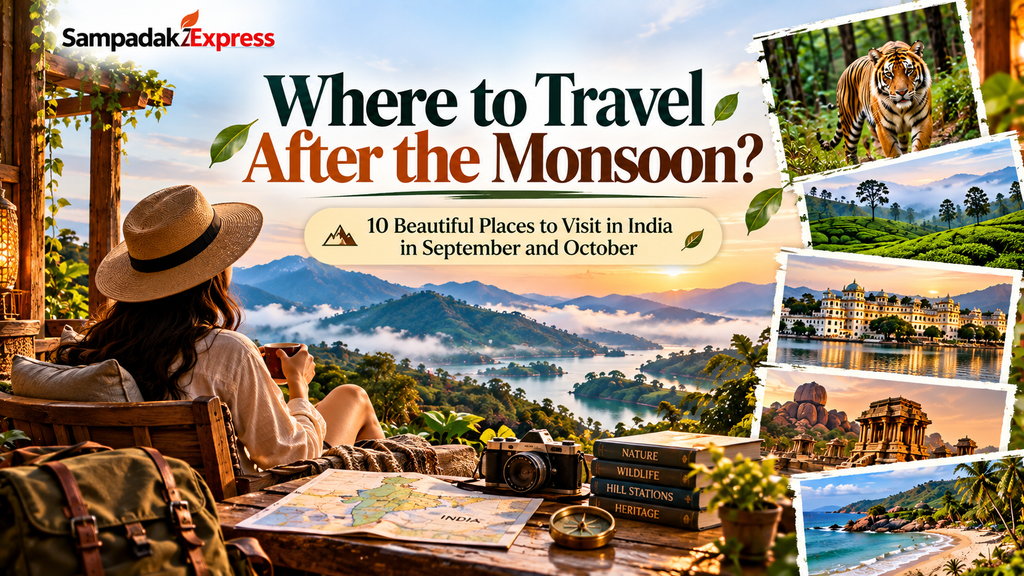
Why September and October Are Good Months for Travel in India
September and October are transitional months in many parts of India. The monsoon begins to withdraw, temperatures become more comfortable in several regions, and landscapes remain green after months of rainfall.
This period can also be useful for travelers who want to experience destinations before the peak winter travel season. However, weather conditions can vary significantly between states, so checking local forecasts before traveling is important.
Tips for Planning a September-October Trip
Before booking a trip, check the local weather forecast and road conditions, particularly when traveling to mountain or remote areas. Some destinations can continue to receive heavy rainfall during September.
For wildlife destinations, always check the official national park website or local forest department information for safari timings, entry rules, and seasonal closures.
It is also a good idea to book accommodation and transportation according to the destination’s popularity. Weekend and festival periods can become busy even during the shoulder season.
Final Thoughts
September and October offer an interesting travel window in India. The monsoon has refreshed forests, hills, valleys, and countryside, while many destinations begin moving toward more comfortable travel conditions.
Whether you want to explore Himalayan landscapes, relax in a hill station, discover historic monuments, or experience India’s wildlife, there are plenty of destinations to choose from.
Before finalizing your trip, check the latest weather, local travel conditions, and destination-specific rules. With the right planning, a post-monsoon journey can be a memorable way to explore India’s changing landscapes.