 "
/>
"
/>

Russia and Ukraine express interest in a ‘limited ceasefire’: Rubio
Title: Zelenskyy Proposes Maritime Truce: Ukraine Calls on Russia for Response
Introduction
In a significant diplomatic overture, Ukrainian President Volodymyr Zelenskyy recently expressed Ukraine’s readiness to engage in a maritime truce, placing the onus on Russia to respond. This announcement comes amidst ongoing tensions in the Black Sea and a backdrop of war that has reshaped both regional security dynamics and international relations. Zelenskyy’s call aims not only to reinforce Ukraine’s sovereignty but also to de-escalate hostilities that have had profound implications on global trade and regional stability.
Maritime Tensions in Context
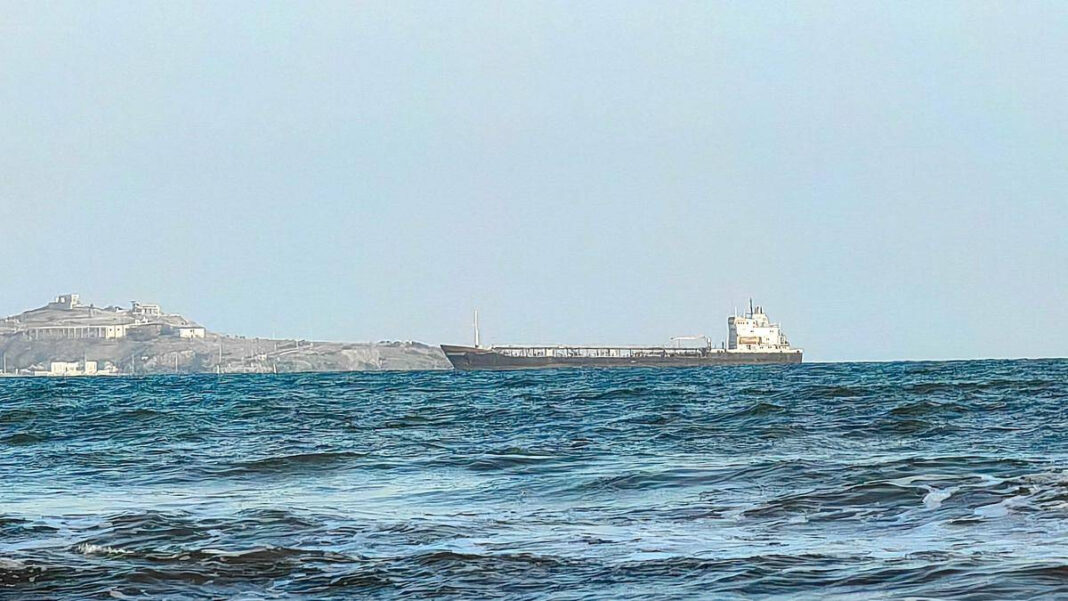
The maritime domain has emerged as a critical front in the ongoing conflict between Ukraine and Russia, particularly following Russia’s annexation of Crimea in 2014 and the subsequent hostilities in eastern Ukraine. Numerous incidents have occurred in the Black Sea, where Russian naval forces have asserted control, often leading to confrontations with Ukrainian vessels and international shipping. These tensions have heightened fears of broader military conflict and disrupted essential maritime trade routes vital to both regional and global economies.
Zelenskyy’s Proposal for a Truce
In his recent statements, President Zelenskyy underscored Ukraine’s willingness to cease hostilities in the maritime sector, advocating for a framework that would ensure safe passage for civilian ships and protect the rights of Ukrainian fisheries and maritime interests. By framing this proposal as a truce rather than unilateral capitulation, Zelenskyy seeks to uphold Ukraine’s dignity and territorial integrity while opening a potential pathway for dialogue.
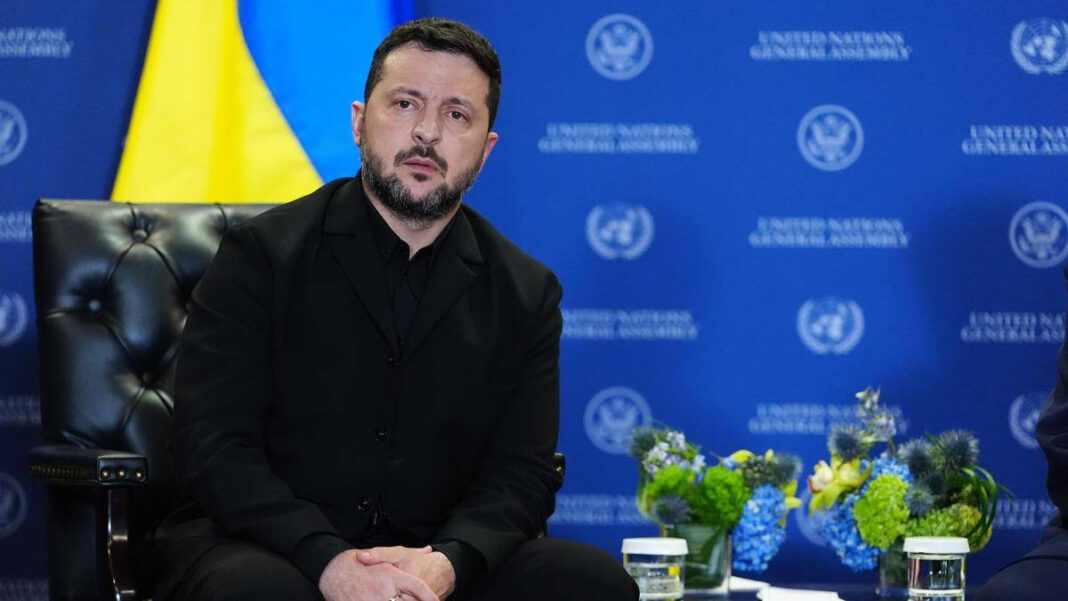
The Ukrainian president emphasized that the initiative is rooted in a desire for peace and stability in the region. “We are ready for a truce at sea. It is time for Russia to show its commitment to peace as well,” he stated during a press conference. By putting the ball in Russia’s court, Zelenskyy aims to rally international support and draw attention to Moscow’s ongoing military actions in the region.
International Response and Implications
The international community has reacted cautiously but with a sense of hope regarding Zelenskyy’s proposal. NATO and European Union allies have historically supported Ukraine’s sovereignty and territorial rights, and many member states are likely to back any initiative aimed at reducing conflict in the maritime arena. However, skepticism remains over Russia’s willingness to engage in good faith negotiations, given its track record in the region.
Analysts suggest that the truce could have broader implications beyond the immediate maritime concerns. A successful de-escalation at sea could pave the way for more comprehensive dialogue over territorial disputes, ceasefire negotiations on land, and a potential resolution to the ongoing conflict in Ukraine. Conversely, failure to respond from Russia could reinforce its position as a destabilizing force in international affairs.
The Broader Security Landscape
The proposal comes at a time when global security patterns are shifting, with increased attention being paid to the geopolitical significance of the Black Sea region. The area serves as a strategic corridor for energy resources and trade routes, making it a focal point for competing interests among major powers. As the world watches closely, the outcomes of this initiative could set important precedents for maritime law, the rights of belligerent states, and the conduct of naval operations in contested waters.
Conclusion
President Zelenskyy’s call for a maritime truce with Russia represents a bold and principled stance amid ongoing hostilities. By extending an olive branch while maintaining a posture of strength, Ukraine aims to assert its sovereignty and seek a peaceful resolution to the conflict. The success of this initiative hinges on Russia’s response, which could either signal a willingness to engage constructively or reinforce the status quo of aggression and instability. As global attention turns towards the Black Sea, the eyes of the world are focused on the developments that could shape the future of Ukraine and its maritime rights.