 "
/>
"
/>

Now It’s Typhoon Nolo: A Transformation After Crossing the International Dateline
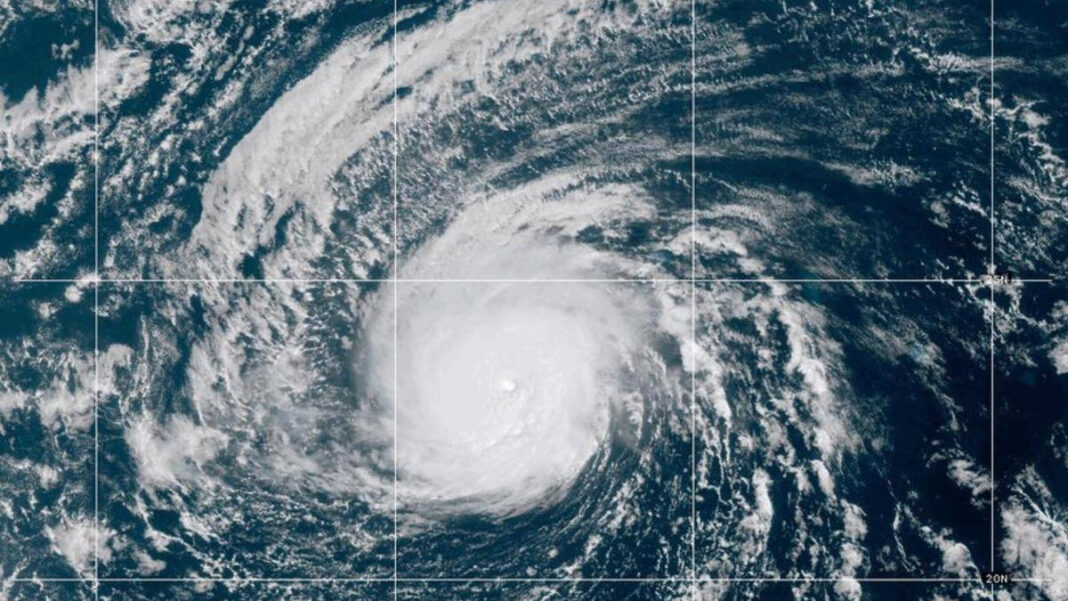
With the ever-shifting dynamics of our planet’s climate systems, the Pacific typhoon season unfolds each year, bringing with it a mix of challenges and awe-inspiring natural phenomena. Recently, we witnessed a significant event as a hurricane transitioned into Typhoon Nolo after crossing the International Dateline, illustrating the complex interplay between meteorological conditions and nomenclature in tropical storms.
The Journey from Hurricane to Typhoon
The story of Typhoon Nolo begins in the eastern Pacific Ocean, where it was initially classified as a tropical hurricane. Hurricanes and typhoons are fundamentally the same kind of storm, but their names differ based on their location. When these storms form in the Atlantic and northeastern Pacific, they are referred to as hurricanes. However, once they cross the International Dateline and move into the northwestern Pacific, they adopt the name typhoon.
The transformation from Hurricane Nolo to Typhoon Nolo is not just semantical; it represents a shift in the storm’s structure, intensity, and potential impact on the regions it encounters. As the storm moves westward, it often gathers strength, fueled by the warm waters of the Pacific. The transition is closely monitored by meteorologists due to the potential dangers posed by typhoons in vulnerable coastal areas, particularly in East Asia.
Meteorological Factors at Play
The conversion of hurricanes into typhoons is influenced by a variety of meteorological factors. When a storm crosses the International Dateline, its environment changes significantly. Ocean temperatures, atmospheric pressure, and prevailing wind patterns all play crucial roles in the storm’s development. Typhoons thrive in warm waters and can intensify rapidly, producing heavy rains, strong winds, and hazardous surf conditions.
Interestingly, Typhoon Nolo emerged during a climatically favorable period, where sea surface temperatures were above average, creating an ideal breeding ground for such storms. The significant heat in the ocean provides the necessary energy that allows the storm to gain momentum and strength.
Impacts and Preparations
As Typhoon Nolo made headlines, residents and administrations in the affected areas braced for impact. The storm’s projected path included several populated regions, raising concerns over potential flooding, landslides, and infrastructure damage. Evacuation orders were issued, and preparations for emergency shelters were put into place.
Local governments responded with heightened alert statuses, urging residents to secure their properties, gather emergency supplies, and remain informed through real-time weather updates. Preparedness is key when dealing with such powerful storms, and community resilience plays a significant role in mitigating the impacts of typhoons.
The Bigger Picture: Climate Influence
The emergence of Typhoon Nolo coincides with ongoing discussions about climate change and its influence on extreme weather events. The increasing frequency and intensity of tropical storms have raised alarms among scientists and policymakers alike, as warmer oceans can yield stronger storms with devastating impacts.
As global temperatures continue to rise, the Pacific region—and the globe—may see shifts in storm patterns, affecting everything from rainfall distribution to fishing yields, and further provoking discussions on climate resiliency and adaptation strategies.
Conclusion
The evolution of Hurricane Nolo into Typhoon Nolo serves as a compelling reminder of nature’s power and the intricacies of weather phenomena. As advancements in meteorology enhance our understanding of tropical storms, it becomes increasingly vital for communities to prepare for the challenges posed by such events. As Typhoon Nolo makes its way across the ocean, staying informed and prepared is crucial for safety and resilience against the backdrop of our changing climate.