 "
/>
"
/>

Turkey to Gradually Hand Over Key Military Base in Iraq Amid Troop Withdrawal Agreement
In a significant development in regional security dynamics, Turkey has announced plans to gradually hand over a key military base in Iraq as part of a negotiated troop withdrawal agreement. This decision marks a pivotal moment in Turkey’s military presence in the region, particularly against the backdrop of an evolving geopolitical landscape and ongoing tensions with local and international actors.
Historical Context
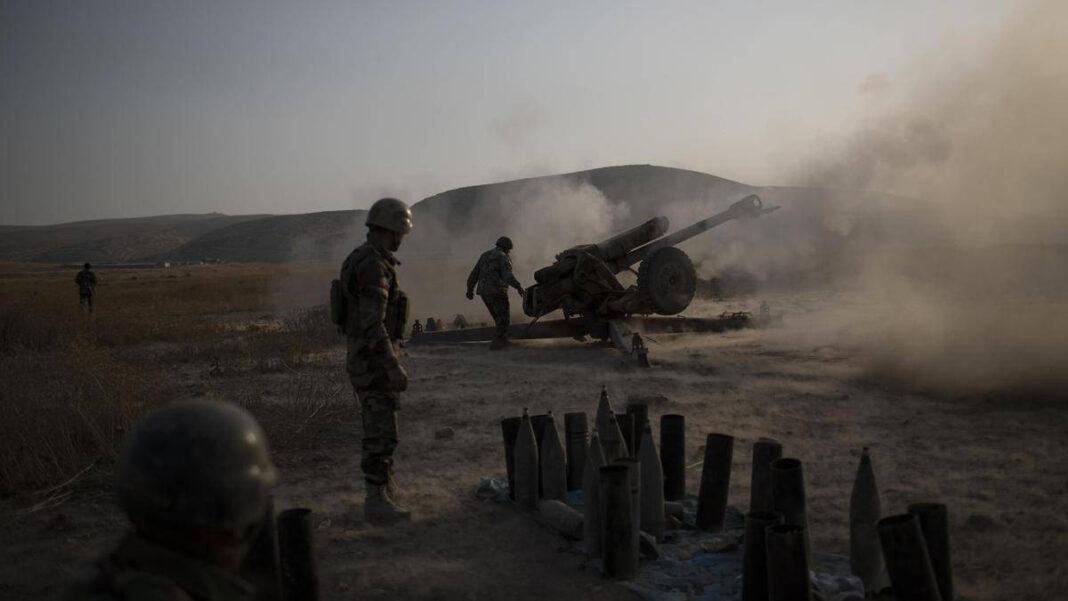
Turkey has maintained a military presence in northern Iraq for several years, primarily targeting the Kurdistan Workers’ Party (PKK), which Ankara designates as a terrorist organization. Established in the 1980s, the PKK has engaged in a protracted insurgency against the Turkish state, seeking greater autonomy and rights for the Kurdish population in Turkey. This ongoing conflict has led Turkey to conduct cross-border operations and maintain military bases in Iraq, with the objective of neutralizing perceived threats from PKK bases located in the region.
The Transition Plan
The planned handover of the base is expected to occur in phases over an agreed timeline, which Turkey and the Iraqi government are currently finalizing. This gradual approach is designed to ensure stability and minimize any potential security vacuums that could arise from an immediate withdrawal. Military analysts suggest that the plan reflects Turkey’s desire to maintain relationships with local stakeholders while also adhering to international pressures for reducing troop deployments abroad.
Local and International Reactions
The agreement has elicited mixed reactions from various stakeholders. Iraqi officials have expressed gratitude for Turkey’s cooperation, viewing the withdrawal as a step towards restoring national sovereignty and reducing foreign military influence. However, concerns remain regarding the PKK’s activities in northern Iraq, with Iraqi forces lacking the capability to fully address the security challenges posed by the group on their own.
On the other hand, Kurdish factions, particularly those aligned with the PKK, remain skeptical of Turkey’s intentions. There are fears that a power vacuum created by the withdrawal could lead to intensified conflicts, especially given the complex web of alliances and enmities in the region.
Internationally, the United States and European Union have welcomed the move as part of broader efforts to stabilize the Middle East and advocate for respect for Iraqi sovereignty. However, they also stress the importance of peaceful coexistence among different ethnic groups and continued dialogue to address outstanding grievances.
Strategic Implications
The phased withdrawal from the military base signifies a potential shift in Turkey’s strategy in the region. Analysts suggest that rather than a complete disengagement, Turkey may be repositioning its forces and recalibrating its objectives in response to changing dynamics. The move could also influence Turkey’s relationships with neighboring countries, as it seeks to navigate complex alliances involving Iran, the United States, and various Kurdish factions.
Moreover, the gradual withdrawal signals a willingness to engage more diplomatically with the Iraqi government and other regional players, amidst increasing demands for de-escalation and reconciliation in a region long plagued by conflict.
Conclusion
Turkey’s decision to undertake a gradual troop withdrawal and hand over a key military base in Iraq represents a crucial development in both its national security strategy and regional geopolitics. As the situation evolves, the international community will be closely monitoring the implementation of the agreement and its implications for stability in Iraq and beyond. The outcomes of this transition will undoubtedly shape the future of Turkish-Iraqi relations and the overall balance of power in the region, highlighting the delicate interplay between military presence and diplomatic engagement.