 "
/>
"
/>

With Trump-Xi Truce, China Seeks to Reshape Asian Order
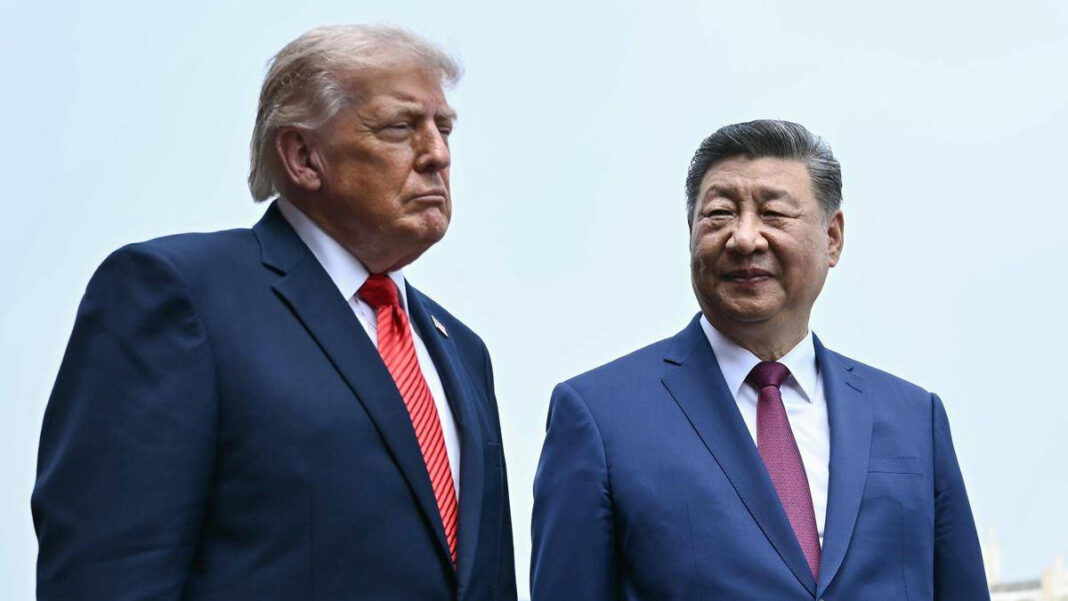
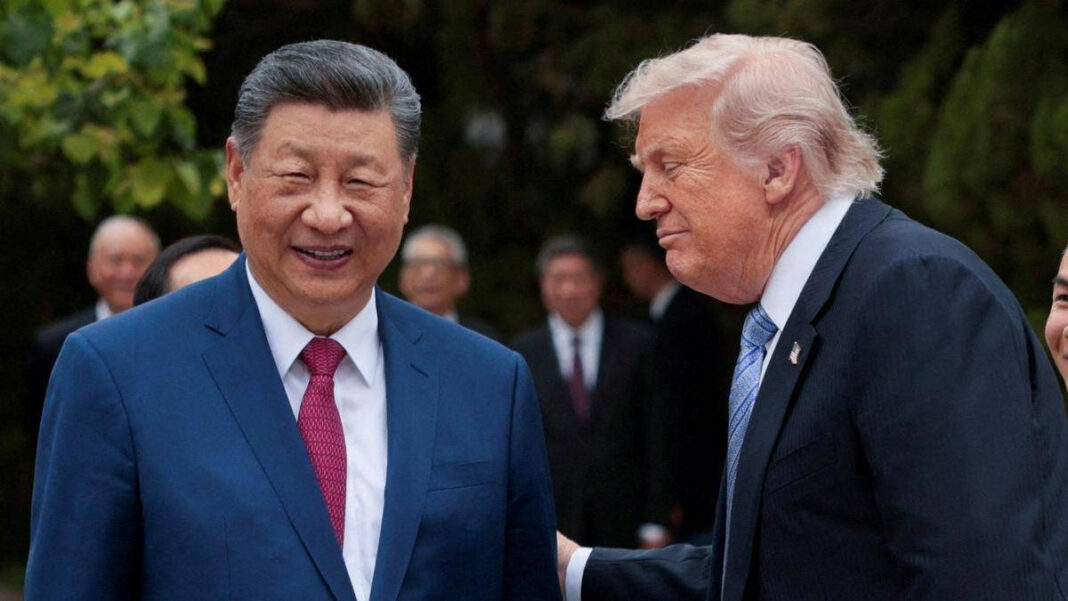
As geopolitical tensions ebb and flow, the recent truce between American President Donald Trump and Chinese President Xi Jinping has sparked a new chapter in the dynamics of power in Asia. This political thaw signifies not merely a ceasefire in trade disputes but also presents an opportunity for China to recalibrate its influence across the region. As both leaders navigate a tumultuous international landscape, the implications of their truce could ripple throughout Asia and beyond, altering the existing balance of power.
The Context of the Truce
The backdrop of the Trump-Xi truce is a series of economic skirmishes that have defined U.S.-China relations throughout the Trump presidency. Tariffs, sanctions, and diplomatic confrontations shaped the dialogue between the two nations, causing significant economic uncertainty globally. However, recent efforts to cool tensions—and an agreement characterized by mutual concessions—have suggested a willingness to shift gears toward collaboration rather than conflict.
This newfound cooperation is likely influenced by various factors, including economic pressures from the COVID-19 pandemic, the rising global clamor for sanity in international markets, and the mutual recognition of interdependence. As such, the truce is more than a cessation of hostilities; it reflects a strategic opportunity for China to bolster its standing within Asia and reshape regional dynamics.
China’s Vision for Asian Order
China’s aspirations for a reshaped Asian order have long been documented, with initiatives such as the Belt and Road Initiative (BRI) acting as a testament to Beijing’s ambitions. Through BRI, China has sought to expand its infrastructure investments and deepen economic ties across Asia and beyond. The truce with Trump offers China a chance to reassert itself as a stabilizing force in the region, presenting an alternative to U.S.-led alliances.
Moreover, China positions itself as a counterbalance to American influence in Asia, which has traditionally dominated due to longstanding military alliances with countries like Japan, South Korea, and the Philippines. In light of the truce, China could amplify its diplomatic outreach, cultivate stronger ties with its Southeast Asian neighbors, and encourage regional organizations to take more of a China-centric approach to governance.
Implications for Regional Players
The truce between Trump and Xi is likely to catalyze reactions from various players in the Asian sandbox. Countries like India, Japan, and South Korea will closely monitor the developments, weighing their options amid a potentially more assertive China. As China strengthens its geopolitical footprint, these nations may feel the need to strike a delicate balance between accommodating Chinese interests and aligning with U.S. strategic objectives.
India, in particular, has increasingly expressed concerns about China’s growing influence, especially in light of border skirmishes between the two nations. New Delhi may accelerate its efforts to strengthen strategic partnerships with the U.S. and Japan to safeguard its territorial integrity and counterbalance China’s ambitions. Simultaneously, regional players may seek to enhance multilateral cooperation—such as the Quad alliance (comprising the U.S., India, Japan, and Australia)—to present a united front against any potential coercive actions from Beijing.
Economic Ramifications
Economically, the truce opens pathways for enhanced trade relations between China and the U.S., which could provide a much-needed boost for both economies jetting out of the pandemic-induced recession. However, the emphasis on bilateral agreements may signal a shift toward regionalism in trade—a move that could favor China’s economic agenda. Analysts predict that if China successfully garners support from other Asian nations, it may lead to a restructured trade landscape clouded by the powerful influence of Chinese economic policy.
Additionally, China may seek to leverage this truce to advocate for regional trade agreements that sidestep U.S. influence, potentially fostering an Asian economic order characterized by greater dependence on China.
Conclusion
The Trump-Xi truce marks a significant moment in the evolving narrative of Asian geopolitics, one shaped by cooperation and rivalry alike. As China endeavors to reshape the Asian order, the implications for regional stability, economic dynamics, and international relations are profound. The coming months will be pivotal in determining whether this reset moment translates into a collaborative framework for Asian cooperation or whether it will usher in a new era of competition shaped by the competing visions of global powers. In this context, the importance of diplomatic nuance, strategic foresight, and regional solidarity cannot be overstated, as the world watches closely.