
Conflict in Yemen
Trump Rejects Iran’s Proposal for Deal to Reopen Hormuz: Analyzing the Implications
In a significant development in U.S.-Iran relations, former President Donald Trump has publicly rejected Iran’s recent proposal aimed at reopening the Strait of Hormuz, a vital waterway for global oil transport. The announcement has sparked widespread debate about regional security, international trade, and U.S. foreign policy under the former president.
Background on the Strait of Hormuz
The Strait of Hormuz is a narrow passageway connecting the Persian Gulf with the Gulf of Oman. It is one of the most critical maritime chokepoints in the world, with approximately 20% of the world’s oil trade passing through it. Over the years, tensions between Iran and the United States have often escalated over control and security in this pivotal region, particularly during the Trump administration, which emphasized a hardline approach to Iran.
The Iranian Proposal
In recent weeks, Iran has sought to engage in discussions concerning maritime security in the Strait of Hormuz, proposing a deal that would involve cooperation in ensuring safe navigation through the waterway. Iranian officials suggested that international stakeholders should collaborate to enhance security measures and stabilize trade routes, which have been threatened by prior incidents of vessel seizures and military confrontations.
This overture was seen by some analysts as an effort by Iran to reduce tensions and open channels for negotiation while maintaining its strategic importance in the region. Moreover, with global oil prices fluctuating unpredictably, Iran’s proposal highlighted the pressing need for cooperative measures to secure this vital trade artery.
Trump’s Rejection
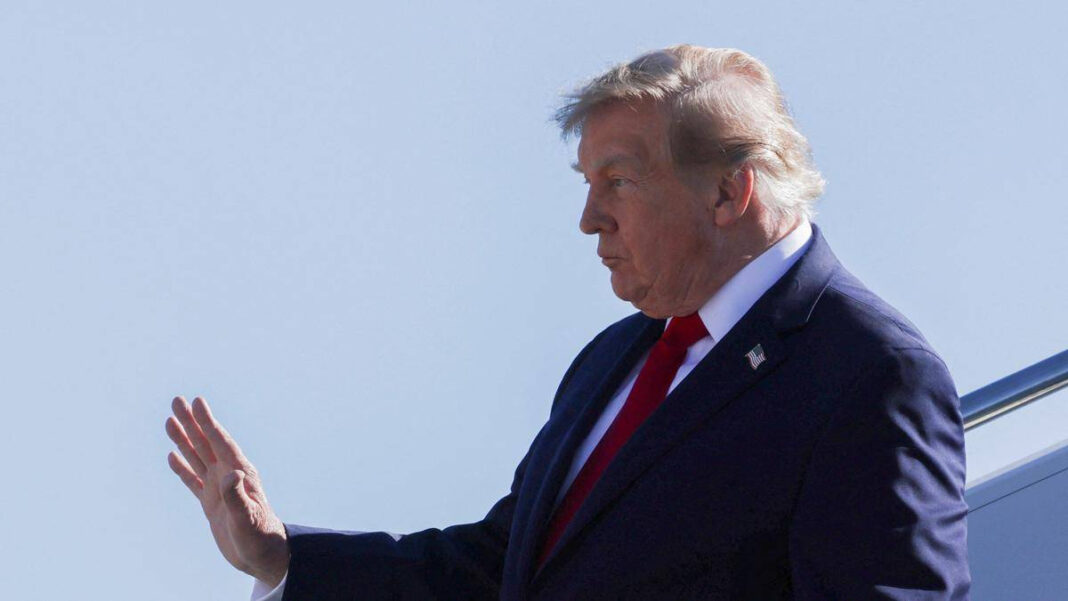
However, Trump’s swift rejection of the Iranian proposal underscores his administration’s continued skepticism toward Tehran’s intentions. In a press briefing, Trump stated, “We cannot entertain proposals from a regime that has shown time and again that it cannot be trusted. Iran must face consequences for its actions, not benefits.”
His stance reflects a broader strategy, often referred to as “maximum pressure,” aimed at isolating Iran economically and politically. By rejecting the proposal outright, Trump appears to be reinforcing his commitment to a tough stance that prioritizes U.S. interests and the safety of its allies in the region, particularly Israel and Arab nations that view Iran as a significant threat.
Implications for Regional Security
Trump’s dismissal of the proposal raises several important questions regarding the future of peace and stability in the Middle East. Analysts warn that continued hardline policies may exacerbate tensions, making incidents in the Strait of Hormuz more likely. The Iranian regime, facing economic challenges due to sanctions and international isolation, may feel incentivized to take more aggressive actions to assert its influence, potentially leading to conflicts that could disrupt global oil supplies.
Furthermore, Trump’s rejection could alienate potential allies who might see the benefits of diplomatic engagement with Iran. European nations and some Asian countries have been advocating for dialogue to address security concerns while navigating the complex dynamics of U.S.-Iran relations.
The Path Forward
As the former president continues to shape the discourse around U.S.-Iran relations, it remains to be seen what policy direction will be adopted in a future administration. As global economic pressures mount and the need for energy security remains paramount, the Strait of Hormuz will continue to be a focal point for international attention.
In conclusion, Trump’s rejection of Iran’s proposal to reopen the Strait of Hormuz exemplifies a steadfast commitment to a confrontational policy approach. However, as the region faces the dual challenges of geopolitical strife and economic uncertainty, the necessity for dialogue and cooperation may become more evident. The future of U.S.-Iran relations, and consequently the stability of the Strait of Hormuz, remains precarious as tensions fluctuate and new opportunities for engagement arise.