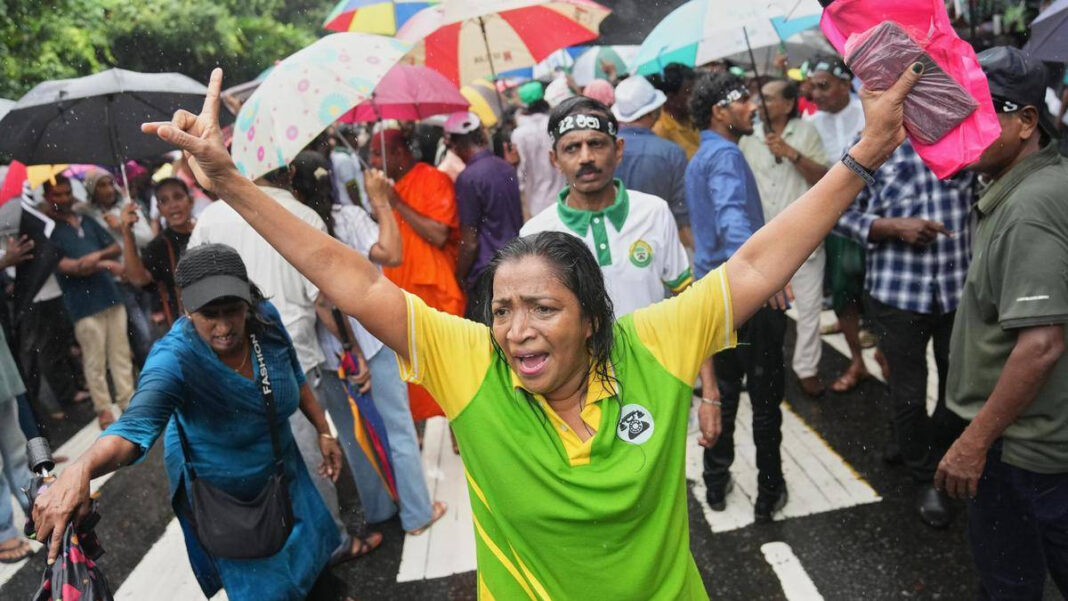

Sri Lanka’s Parliament Begins Debate on Controversial Bill on Judges’ Retirement Age
In recent days, Sri Lanka’s Parliament has taken center stage as it embarks on a significant debate regarding a contentious bill that seeks to amend the current retirement age for judges. The proposal, which has sparked considerable public and political discussion, raises questions about judicial independence, governance, and the broader implications for the country’s legal system.
Background of the Bill
The proposed legislation aims to alter the existing retirement age for members of the judiciary, which currently stands at 65 years for Supreme Court judges and 60 years for lower court judges. The government’s rationale for the amendment is rooted in the argument that extending the retirement age would allow experienced judges to continue contributing to the judicial system, thus ensuring stability and continuity in legal proceedings.
Supporters of the bill argue that an extended term for judges would enhance the quality of justice, given their accumulated knowledge and experience over the years. They contend that a judiciary consistent in its leadership can better uphold the rule of law and safeguard constitutional rights.
Opposition Concerns
However, the bill has faced staunch opposition from various sectors, including legal experts, civil society organizations, and opposition political parties. Critics argue that extending the retirement age could hinder the progression of younger judges within the system, leading to stagnation and a lack of fresh perspectives in the judiciary. There are also fears that longer tenures might create an environment susceptible to political influence and reduce accountability among long-serving judges.
Furthermore, there are concerns regarding the timing of the proposal. The debate comes against a backdrop of heightened political tensions in Sri Lanka, where issues of governance and institutional integrity are at the forefront of public discourse. Many citizens are wary of any moves perceived as attempts by the government to exert undue influence over an independent judiciary, a pillar of democracy.
The Legislative Process
As the Parliament engages in debate, it is likely to witness a series of passionate arguments from both proponents and opponents of the bill. Lawmakers are expected to scrutinize the proposed legislation in detail, weighing the potential benefits against the risks it poses to judicial independence. Discussion points may include constitutional implications, comparisons with judicial retirement practices in other countries, and the experiences of legal systems that have implemented similar changes.
Moreover, public opinion is playing a crucial role in this debate, with widespread media coverage and social media discussions reflecting a diversity of views among the populace. Calls for transparency and stakeholder engagement are becoming increasingly prominent, with many advocating for consultations with legal professionals and civil society representatives before any decisions are made.
Looking Ahead
The outcome of this legislative debate could have lasting implications for Sri Lanka’s judiciary and its institutional framework. Should the bill pass, it may set a precedent for future changes that could alter the landscape of judiciary governance in the country. Conversely, if it fails, it could signal a reaffirmation of the principles of judicial independence and the importance of fostering a dynamic legal system accommodating new talent.
As the discussions unfold, the eyes of the nation will remain closely attuned to the Parliament’s proceedings. Ultimately, the decision on judges’ retirement age will not merely shape the composition of the judiciary but will also reflect the values and priorities of Sri Lanka as it navigates its complex socio-political terrain. The coming days will be crucial in determining the future of justice in the island nation.