
 "
/>
"
/>

Sri Lanka Arrests Ex-First Lady in Charity Graft Probe
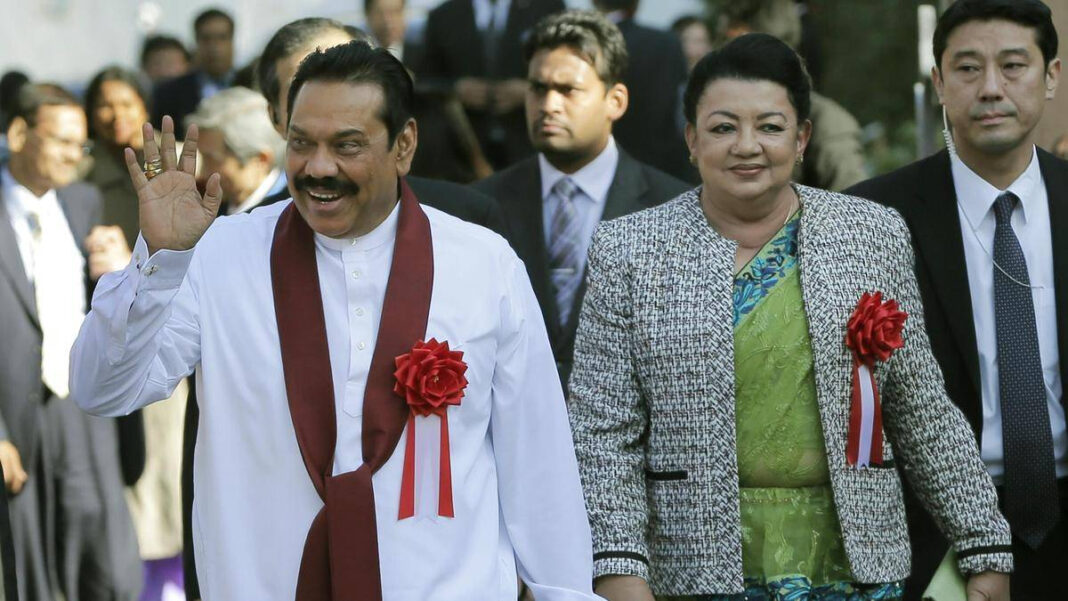
In a significant development within Sri Lanka’s ongoing anti-corruption efforts, former First Lady Shiranthi Rajapaksa has been arrested in connection with an investigation into alleged financial misconduct related to a charity organization. The arrest marks a pivotal moment in Sri Lanka’s battle against corruption, as the government intensifies its scrutiny of high-profile figures in its pursuit of accountability and transparency.
Background of the Allegations
The investigation into Shiranthi Rajapaksa centers around the Siriliya Saviya Foundation, a charity established during her husband Mahinda Rajapaksa’s presidency from 2005 to 2015. The foundation was ostensibly set up to support vulnerable children and families across the island. However, questions arose regarding the management and allocation of funds directed to the charity, with claims of misappropriation and misuse surfacing in recent years.
The probe gained momentum following widespread public discontent over economic mismanagement and corruption within the previous administration. The current government has made tackling corruption a cornerstone of its agenda, launching investigations into various entities associated with the previous regime.
The Arrest and Legal Proceedings
Shiranthi Rajapaksa was taken into custody by Sri Lankan authorities as they sought to gather evidence relevant to the allegations of embezzlement and funds mismanagement. She has been accused of diverting millions of rupees intended for charitable purposes for personal use.
Legal experts anticipate a lengthy process ahead as the case unfolds. The arrest has drawn attention to the wider issues of political accountability in Sri Lanka, particularly in the wake of the economic crisis that has gripped the nation, leading to protests and calls for reform.
Public Reaction and Implications
The arrest of Shiranthi Rajapaksa has prompted mixed reactions across the nation. Many citizens express hope that this move could signify a new era of accountability, particularly for those in positions of power. Public sentiment has shifted towards demanding greater transparency and integrity from their leaders, fueled by a growing impatience for systemic change.
Critics, however, caution that single arrests must translate into meaningful reform and not merely serve as political theater. There are fears that high-profile arrests could be manipulated to distract from deeper systemic issues plaguing the country’s governance.
Broader Impact on Governance and Corruption in Sri Lanka
The implications of this arrest extend beyond the individual case. It signifies a potential shift in Sri Lanka’s political landscape, wherein past leaders may increasingly find themselves scrutinized under the rule of law. The government’s commitment to addressing corruption has received both domestic and international support, as the nation strives to rebuild trust with its citizens and the global community.
As Sri Lanka navigates its path towards recovery, the focus on accountability and anti-corruption is likely to remain at the forefront. The international community is watching closely to see how the government addresses these issues and whether real change will emerge from the current wave of investigations.
In conclusion, the arrest of former First Lady Shiranthi Rajapaksa is not merely a legal matter; it represents a broader context of a nation seeking to redefine its values and leadership in the wake of crisis. As investigations continue, the eyes of the world remain watchful, hoping for substantive change in the governance of Sri Lanka.