
Rivers Surpass Hazard Levels
Relentless Rainfall Triggers Floods and Landslips Across Nepal
Kathmandu, Nepal – In recent weeks, Nepal has been besieged by incessant rainfall that has led to devastating floods and landslips across various regions of the country. The deluge, attributed to the seasonal monsoon, has not only caused significant disruption to daily life but has also raised alarms about the impact of climate change on weather patterns in this ecologically fragile nation.
Impact of the Monsoon
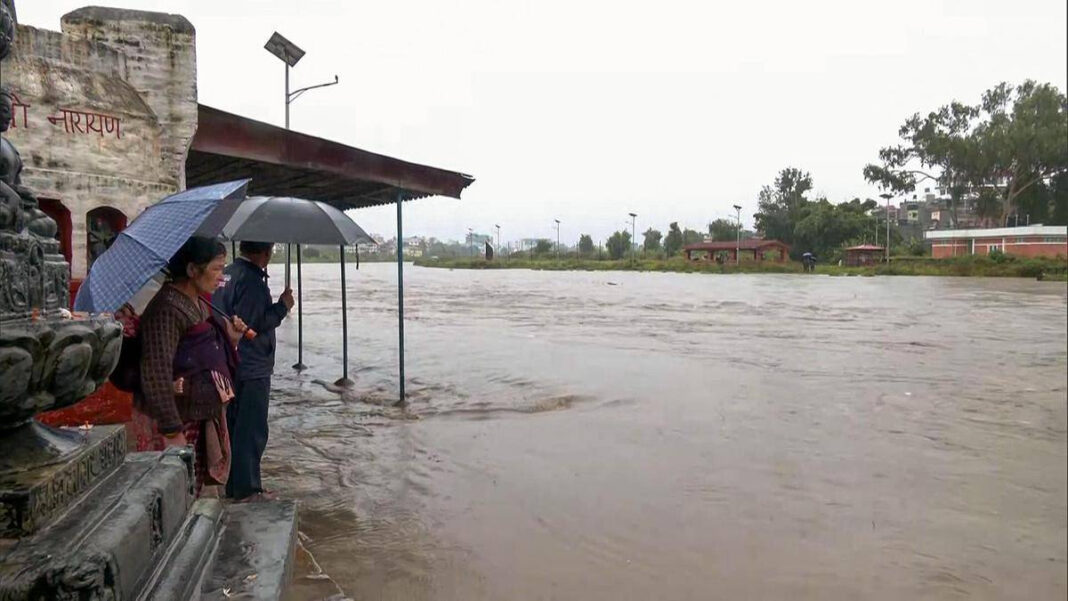
The monsoon season, typically expected to bring much-needed water to agricultural lands, has turned perilous for many communities. Parts of the country, including the mountainous regions, have seen rainfall levels surpassing average, resulting in swollen rivers and overwhelmed drainage systems. Villages along the banks of the Koshi and Gandaki rivers have faced life-threatening conditions, with water levels rising rapidly and leading to widespread evacuations.
According to meteorological experts, the recent rains are part of a broader shift in global weather patterns. Climate change has led to increased intensity and unpredictability of monsoon rains in South Asia, and Nepal is on the front lines of this crisis. The impact is particularly severe in regions where deforestation and land degradation have reduced the land’s natural resilience to heavy rainfall, making landslips more likely.
Humanitarian Crisis
The floods have resulted in tragic loss of life and displacement for thousands of families. As the waters rise, many have been forced to flee their homes, seeking refuge in temporary shelters. These emergency conditions have created an urgent need for humanitarian assistance—food, clean water, medical supplies, and sanitation facilities are in short supply.
Local and national response teams are working tirelessly to rescue stranded individuals and provide aid, despite facing their own challenges caused by the relentless rains. Access to affected areas has been complicated by blocked roads and landslides, hindering rescue operations and the delivery of essential supplies.
Environmental Consequences
The environmental consequences of this extreme weather are profound. Landslips have devastated farmland, leading to soil erosion and loss of crops, which will have long-lasting effects on food security. Additionally, the sediment and debris carried by floodwaters can pollute freshwater sources, further threatening the health and well-being of local communities.
Scientists warn that without significant intervention, these disasters may become more frequent as the effects of climate change continue to escalate. Deforestation, unplanned urbanization, and poor land management are compounding factors that exacerbate the risk of flooding and landslips.
Government and Community Response
The Nepalese government has activated emergency protocols, deploying military and police forces to assist in rescue operations and infrastructure repairs. They are also working closely with international aid organizations to coordinate relief efforts. Community resilience is being tested, with numerous local organizations mobilizing volunteers to assist in relief and rebuilding efforts.
In response to the growing threat of climate-induced disasters, there is an increasing call for sustainable environmental practices. Experts advocate for reforestation projects, improved land use planning, and community education to better prepare for future weather extremes.
Looking Ahead
As Nepal faces the immediate aftermath of heavy rainfall and its repercussions, the need for strategic planning is more crucial than ever. Long-term investment in disaster preparedness and climate adaptation strategies can help mitigate the impact of similar events in the future.
The relentless rains may have caused significant challenges, but they have also opened a dialogue on the urgent need for comprehensive climate policies and a coordinated effort across sectors to build a more resilient Nepal. While the country grapples with the devastation of the present, it must also look towards sustainable practices that ensure safety and security for generations to come.