 "
/>
"
/>

National Borrowing
Low Approval Ratings
ANALYSIS: Merz Faces Pressure After AfD’s Recent Electoral Wins
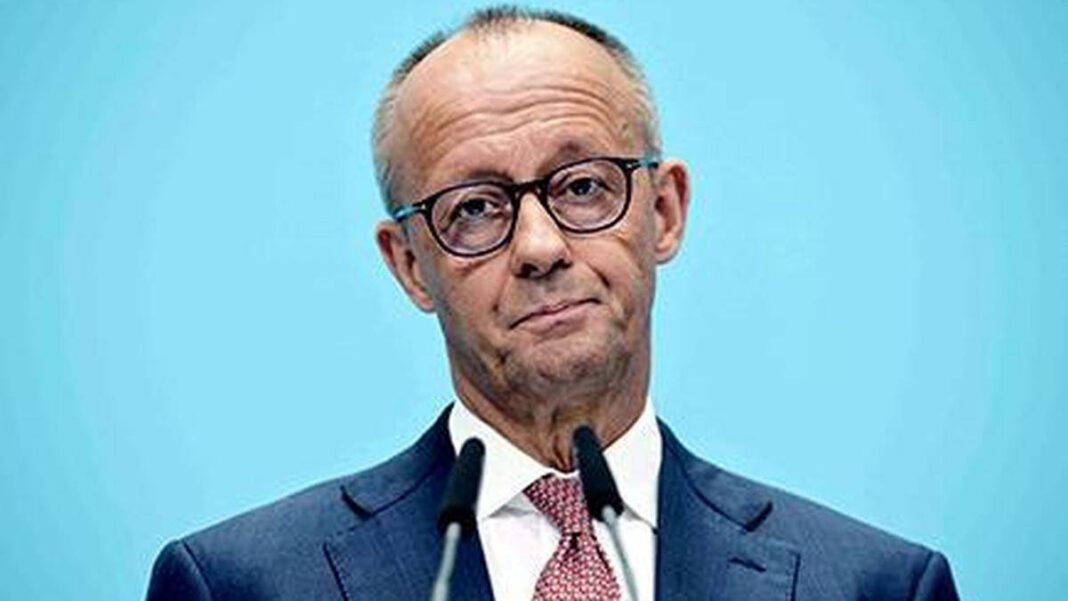
In recent months, the political landscape in Germany has seen a significant shift, highlighted by the surprising electoral gains of the Alternative für Deutschland (AfD). As the right-wing party continues to gain traction in various state elections, the pressure is mounting on Friedrich Merz, leader of the Christian Democratic Union (CDU), to respond to this new challenge effectively. This article will analyze the implications of the AfD’s rise for Merz’s leadership and the broader CDU strategy.
The Ascendance of the AfD
The AfD has capitalized on a growing discontent among voters, primarily related to issues like immigration, economic instability, and social cohesion. In recent elections, the party has enjoyed unprecedented support, particularly in the Eastern states of Germany, where local concerns resonate with AfD’s platform. Its ability to capture disenchanted voters from traditional parties, including the CDU, underscores a crucial voter realignment that cannot be ignored.
The party’s victories are not merely statistical; they reflect a broader shift in voter sentiment that poses a direct threat to established political parties, including the CDU. With the AfD positioning itself as a bastion of right-wing populism, Merz is left grappling with how to reconcile traditional CDU principles with this new political reality.
Merz’s Leadership Under Scrutiny
Friedrich Merz, who assumed the leadership of the CDU in early 2022, was expected to revive the party’s fortunes following its historical losses in the 2021 federal elections. However, the recent successes of the AfD have prompted critics to question his strategies and vision for the party. Merz must navigate a precarious situation: balancing the need to assert CDU’s centrist values while not alienating a growing base of voters who might be swayed by AfD’s more extreme positions.
There is mounting pressure on Merz to offer a compelling alternative to the right-wing populism of the AfD. His responses thus far have included focusing on CDU’s traditional values of economic stability and European solidarity, yet the party’s message lacks the urgency some perceive is necessary to reclaim lost ground. The challenge will be to articulate a vision that resonates with voters who feel abandoned by mainstream politics.
Policy Dilemmas and Strategic Decisions
Addressing the rise of the AfD requires more than just rhetoric; it calls for decisive policy directions. Merz faces the dilemma of whether to adopt more hardline stances on immigration and law-and-order issues, which could attract right-leaning voters but risk alienating the party’s moderate base.
Moreover, Merz must contend with the internal divides within the CDU. Some factions advocate for a stronger approach akin to the AfD’s populist tactics, while others caution against moving too far right, fearing a compromise of the party’s core values. This division complicates strategic decision-making and may hinder the party’s cohesion as they strive to define their identity in a shifting political climate.
The Road Ahead: Strategies for Recovery
To navigate these turbulent waters, Merz and the CDU must develop a multifaceted strategy:
-
Reengagement with Voters: Understanding the root causes of voter discontent is essential. This means engaging more directly with communities to address their concerns, rather than solely relying on party platforms that may feel disconnected from everyday realities.
-
Policy Innovation: Crafting forward-thinking policies that respond to voter fears about immigration, economic inequality, and social security can help the CDU regain its footing. Innovative solutions that resonate with both conservative and moderate voters could create a unifying message.
-
Strengthening Party Unity: Merz must foster unity within the CDU to present a coherent front. This involves balancing the demands of various factions while also reinforcing the party’s commitment to democracy and the rule of law.
- Countering Misinformation: The AfD thrives on misinformation and fear-mongering. The CDU must proactively counter these narratives by promoting factual discourse around immigration, security, and economic stability. Engaging in public education campaigns can help mitigate the influence of populist rhetoric.
Conclusion
As the AfD continues to assert itself in the German political arena, Friedrich Merz finds himself at a pivotal moment in his leadership. The pressure to respond to the challenge posed by the AfD is immense, and how he chooses to navigate this landscape will have lasting implications for the CDU. By embracing a strategy rooted in understanding voter concerns, innovative policy-making, and party cohesion, Merz has the opportunity to not only reclaim lost ground but to redefine the CDU’s role in a rapidly changing Germany. The coming months will be critical in determining whether the CDU can regain its footing or if it will continue to cede ground to the populist wave sweeping across Europe.