 "
/>
"
/>

Iraq Seeks Exemption from U.S. Ban on Iranian Airlines: Navigating Geopolitical Turbulence
In a significant development concerning regional aviation and international diplomacy, Iraq has formally requested an exemption from the United States’ ban on Iranian airlines. This move underscores the complicated interplay of geopolitical interests in the Middle East, highlighting the balancing act Iraq must perform between its relationships with the U.S., Iran, and broader regional powers.
The Context of the U.S. Ban
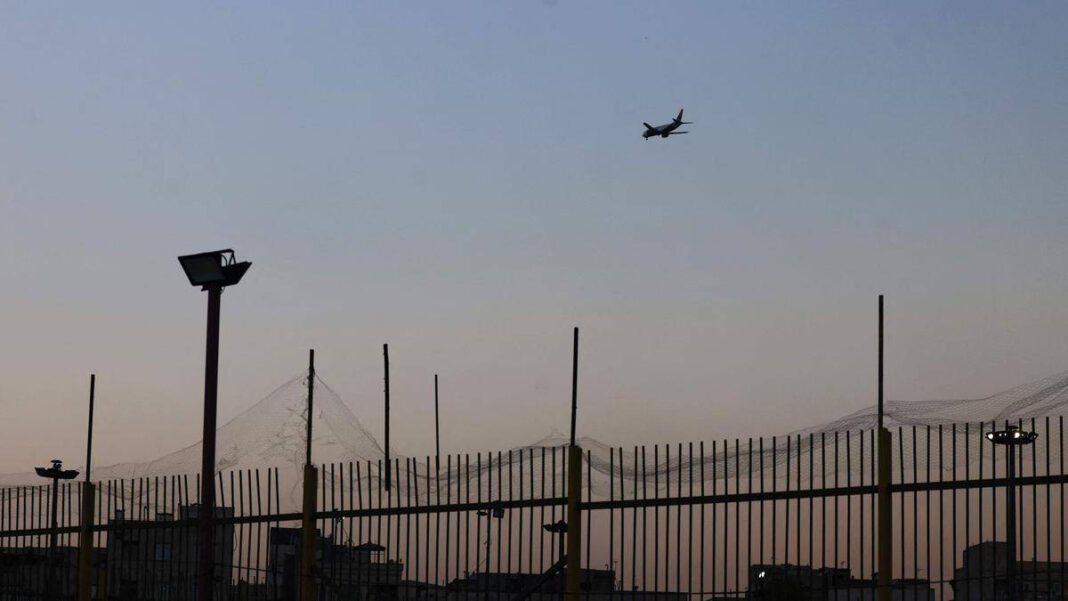
The United States imposed a series of sanctions on Iran following the U.S. withdrawal from the Joint Comprehensive Plan of Action (JCPOA) in 2018. These sanctions targeted various sectors including aviation, with the intention of pressuring Tehran over its nuclear ambitions and regional activities, which Washington views as destabilizing. The sanctions on Iranian airlines restrict their ability to operate in international airspace and limit their access to necessary aviation components and financing.
The implications of these sanctions extend beyond Iran’s borders, affecting countries like Iraq that share extensive economic, cultural, and political ties with Tehran. As a pivotal player in the region, Iraq has benefited from a complex relationship with Iran, especially in areas such as energy, trade, and security.
Iraq’s Request for Exemption
Iraq’s appeal to the U.S. for an exemption is driven by multiple factors. Firstly, the Iraqi economy is significantly intertwined with Iran, and Iranian airlines play a crucial role in facilitating travel, trade, and commerce across the border. The operational halt or severe restriction of these airlines could precipitate economic setbacks for Iraq, particularly for its burgeoning tourism sector and for families who rely on the ability to travel between the two countries.
Moreover, Iraq serves as a vital connector between the Gulf states and Iran, with several Iraqi airports facilitating direct flights to Iranian cities. The ban could disrupt these connections, which have been essential for maintaining regional commerce and cultural exchange.
Balancing Geopolitical Interests
Navigating the request for an exemption requires Iraq to tread cautiously amidst a complex geopolitical landscape. While seeking this exemption, Iraq must simultaneously address the concerns of the U.S., which remains wary of Iran’s influence in the region. U.S. officials have expressed skepticism about Iran’s activities, viewing the nation’s regional involvement through a security lens.
Iraqi leaders, aware of the potential backlash from the U.S., have emphasized their commitment to regional stability and the importance of maintaining diplomatic channels. They have argued that facilitating travel between Iraq and Iran through continued operations of Iranian airlines could promote peace and economic cooperation, ultimately benefiting broader regional stability.
Regional Implications
Iraq’s request for exemption does not exist in a vacuum; it reflects broader regional dynamics. The Iranian influence in Iraq has grown since the fall of Saddam Hussein in 2003, and Tehran’s involvement in various Iraqi state and non-state actors has further entrenched its role in Iraqi governance. Should Iraq successfully negotiate an exemption, it may embolden Iranian airlines and, by extension, Iran’s regional ambitions.
Conversely, any refusal from the U.S. or pushback could escalate tensions, potentially leading Iraq to fortify its ties with Iran, even further complicating its relationship with Washington. As such, the decision will likely have ripple effects not only on U.S.-Iraq relations but also on the broader geopolitical landscape of the Middle East.
Conclusion
Iraq’s request for an exemption from the U.S. ban on Iranian airlines illuminates the intricate web of relationships and dependencies that define the region. As Iraq navigates this request, the outcome will carry significant implications for its economic future, its relationship with Iran, and its strategic standing with the United States. The situation remains fluid, as both diplomatic channels and security considerations will play pivotal roles in shaping the responses from both Washington and Tehran. The world watches closely as Iraq attempts to chart a path forward amidst the complexities of regional geopolitics.