 "
/>
"
/>

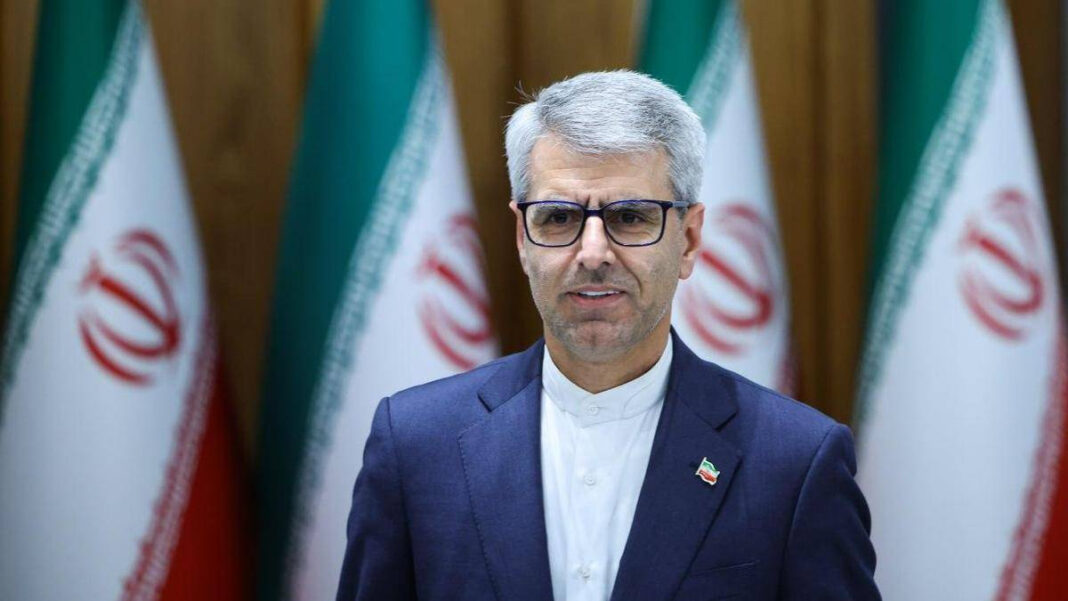
Iran Communicates Conditions for Revival of Diplomacy to U.S.: Insights from Esmail Baqaei
In recent diplomatic developments, Iran has articulated a set of conditions under which it is willing to engage in renewed talks with the United States. Esmail Baqaei, a prominent Iranian diplomat, has shed light on these conditions, signaling the complexities of international relations as both nations seek to navigate a path towards renewed cooperation.
Background to the Diplomacy Dialogue
The relationship between Iran and the United States has historically been fraught with tension, particularly since the U.S. withdrew from the Joint Comprehensive Plan of Action (JCPOA) in 2018. The re-imposition of sanctions by the U.S. exacerbated economic difficulties in Iran and led to a stalemate in diplomatic negotiations. Since then, both countries have faced increasing pressure to find a resolution that could prevent further escalation of hostilities.
Iran’s Stated Conditions
According to Baqaei, Iran’s conditions for re-engagement with the U.S. are rooted in mutual respect and recognition of sovereignty. The key points include:
-
Mutual Respect for Sovereignty: Iran insists that any diplomatic engagement must be based on the principle of mutual respect for each nation’s sovereignty and territorial integrity. This reflects a long-standing Iranian desire to be recognized as an equal partner in international relations.
-
Lift of Sanctions: A primary condition for negotiations is the lifting of economic sanctions that have severely impacted Iran’s economy. Baqaei emphasized that economic relief must accompany any talks to create a conducive environment for meaningful dialogue.
-
Comprehensive Discussions: Iran seeks a comprehensive approach to negotiations, addressing not only nuclear issues but also regional security concerns, including Iranian influence in the Middle East and U.S. military presence in the region. This holistic approach aims to foster a sustainable resolution rather than piecemeal agreements.
- End of Hostile Rhetoric: To facilitate a positive diplomatic atmosphere, Iran calls for a cessation of hostile rhetoric and actions from the U.S. government. This includes refraining from military threats and creating a space for constructive dialogue.
U.S. Response and International Implications
The Biden administration has shown signs of willingness to re-engage with Iran, particularly on nuclear negotiations. However, the response to Iran’s conditions remains tentative. The U.S. must balance domestic political pressures, particularly from congressional figures who advocate for a tougher stance against Iran, with international diplomacy’s necessity for stability.
The conditions set forth by Iran could reshape the geopolitical landscape in the Middle East if realized. Analysts underscore that the revival of diplomacy could pave the way for increased security in a region marked by instability and conflict.
Conclusion
As Iran communicates its conditions for the revival of diplomacy with the U.S., the potential for renewed negotiations presents both opportunities and challenges for both nations. The intricacies of these demands signal a critical juncture in U.S.-Iran relations, where mutual understanding and respect could lead to meaningful dialogue. The international community watches closely, hoping for a breakthrough that could not only mend ties between these two nations but also contribute to lasting peace in the volatile Middle East region.
Esmail Baqaei’s insights highlight the importance of diplomacy grounded in respect, pragmatism, and a comprehensive approach, shedding light on the path forward for U.S.-Iran engagement in an increasingly complex global landscape.