 "
/>
"
/>

FBI Extradites Most-Wanted Fraudster from India: A Major Victory in International Law Enforcement
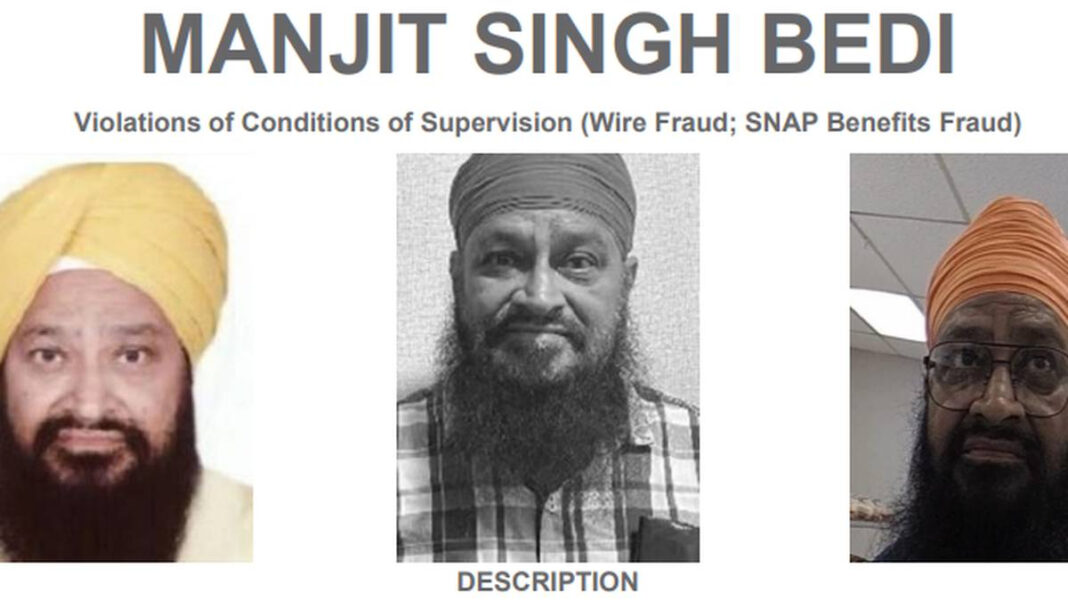
In a significant development in the realm of international law enforcement, the Federal Bureau of Investigation (FBI) has successfully extradited one of its most wanted fraudsters from India. This high-profile operation highlights the increasing collaboration between U.S. and Indian authorities in combating crime that transcends borders.
Background of the Fraudster
The individual in question, identified as Rajesh Kumar, had been alleged to have orchestrated a complex scheme involving wire fraud, identity theft, and money laundering, which allegedly defrauded numerous individuals and organizations out of millions of dollars. His methods included the use of fake identities and cyber tactics that exploited vulnerabilities in banking systems. Kumar had been on the FBI’s radar for several years, making him one of the agency’s top priorities.
Kumar reportedly fled to India shortly after his criminal activities came to light, leading to an exhaustive investigation that included collaboration between federal, state, and local law enforcement agencies both in the United States and India. The FBI, through its legal attache office in New Delhi, worked closely with Indian law enforcement to gather evidence, building a robust case for extradition.
The Extradition Process
Extradition is often a complicated legal process, requiring cooperation between governments and adherence to international treaties. The U.S. and India have a Mutual Legal Assistance Treaty (MLAT) in place, which facilitates cooperation in various criminal matters. The process can vary depending on the specifics of a case, but generally involves the requesting country providing sufficient evidence to substantiate the charges brought against the accused.
In Kumar’s case, Indian authorities, under the auspices of Interpol and in conjunction with the FBI, arrested him following a formal extradition request. After a thorough legal inquiry, a Mumbai court ruled in favor of extraditing Kumar to the United States, asserting the need for accountability in transnational crime.
Significance of the Extradition
The successful extradition of Rajesh Kumar stands as a testament to enhanced U.S.-India cooperation in combatting cybercrime and fraud. It sends a strong message to would-be criminals that evasion is not a viable option when committing crimes that impact not just a locality, but global markets and individuals worldwide.
“This extradition underscores our commitment to pursuing justice across borders,” said an FBI spokesperson. “Fraudster’s actions not only affect individuals but can undermine trust in financial systems. Our collaborative effort with Indian authorities exemplifies the cross-border commitment to uphold the rule of law.”
Moving Forward
With Kumar now back in the U.S., he will face multiple charges that, if convicted, could lead to substantial prison time and restitution for victims. This case sets a precedent for future extraditions and reinforces the importance of international cooperation in tackling crimes that are increasingly facilitated by the internet and sophisticated technology.
As countries grapple with the challenges posed by global fraud and cybercrime, the collaboration exemplified in this case could pave the way for more proactive measures and frameworks to combat such offenses in the future. As law enforcement agencies continue to enhance their technological capabilities and international partnerships, apprehending and prosecuting fraudsters who exploit digital platforms will remain a top priority.
Conclusion
The extradition of Rajesh Kumar is more than just a law enforcement victory; it represents a significant step toward greater international cooperation in the fight against fraud and cybercrime. It serves as a reminder that crime does not pay, and that those who engage in deceptive practices will ultimately face justice, no matter where they attempt to hide. With ongoing advancements in technology and international law enforcement collaboration, the hope is to create a safer, more secure world for all.