 "
/>
"
/>

EU Options: From Tariffs to a “Trade Bazooka”
China is Prepared for a Prolonged Trade Dispute
EU Sends Envoy to Beijing Amid Rising Economic Anxiety Over Chinese Exports
In a significant diplomatic move, the European Union (EU) has dispatched an envoy to Beijing as it grapples with growing economic anxiety stemming from a surge in exports from China. This strategic engagement reflects the EU’s acknowledgment of the intertwined fates of its economy and China’s economic dynamism, as well as the need to address trade imbalances and foster cooperation in an increasingly complex global landscape.
The Context: Rising Exports and Economic Concerns
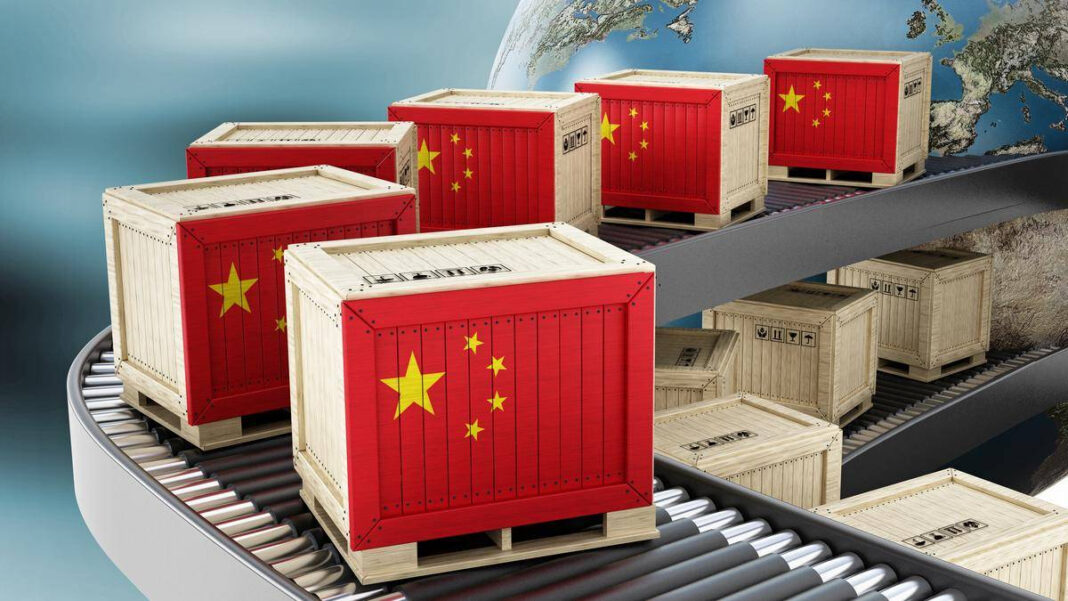
China has emerged as a dominant player in the global trade arena, with its exports hitting record highs in recent months. While this growth can be attributed to various factors, including a rebound in demand post-pandemic and competitive pricing, it has raised concerns within the EU about the potential implications for local industries and employment. EU officials have expressed worries over whether the influx of Chinese goods is undercutting European manufacturers, leading to calls for urgent discussions on trade policies and the sustainability of Europe’s economic recovery.
Diplomatic Engagement: The Role of the Envoy
The decision to send an envoy to Beijing is a calculated response aimed at fostering dialogue and ensuring that European interests are adequately represented. The envoy’s primary mission will be to engage with Chinese counterparts on trade imbalances and to explore avenues for mutual benefit. This visit is particularly crucial given the backdrop of strained relations between the two economies, which have seen a mix of cooperation and competition in recent years.
The envoy’s itinerary will likely include discussions on several key issues, including:
-
Trade Imbalances: Addressing the growing trade deficit between the EU and China, which has led to tensions and apprehensions among European businesses.
-
Sustainability Standards: Advocating for fair competition by promoting adherence to regulatory standards that align with European values, particularly concerning labor rights and environmental regulations.
-
Intellectual Property Protection: Engaging in discussions around the safeguarding of European intellectual property rights, a longstanding concern for many European firms operating in China.
-
Technology Transfer: Addressing the complexities surrounding technology transfer and ensuring that European companies can operate in China without compromising their proprietary innovations.
- Strategic Cooperation: Looking for areas of collaboration, particularly in climate change and innovation, where both economies can benefit from shared goals.
The Broader Implications for EU-China Relations
The envoy’s mission comes at a time when EU-China relations are navigating a delicate balance between cooperation and competition. While both sides recognize the importance of trade and investment, there is also a growing realization that economic security and national interests must be prioritized.
The EU’s proactive approach can be seen as part of a broader strategy to diversify supply chains, reduce dependency on any single market, and bolster its own industries. As other regions, including the United States, also reassess their economic relationships with China, the EU is keen on ensuring it remains a competitive and resilient partner on the global stage.
Conclusion: A Path Forward
The envoy’s engagement in Beijing represents an important step towards addressing the rising economic anxiety stemming from China’s export surge. As the EU seeks to navigate this complex landscape, meaningful dialogue and cooperation will be vital in shaping a future where both economies can thrive. By prioritizing open channels of communication, the EU hopes to ensure that its interests are safeguarded while also fostering a sustainable partnership with one of the world’s leading economies.
Ultimately, the success of this diplomatic mission will hinge on the ability of both sides to acknowledge their interdependence and work towards mutually beneficial solutions in an increasingly interconnected global economy.