
 "
/>

This HTML structure maintains the original layout and functionality while enhancing readability by organizing the code, maintaining proper indentation, and keeping comments for contextual understanding.
China Withdraws from Key Investment in Sri Lanka’s Port Logistics Venture: Implications and Future Prospects
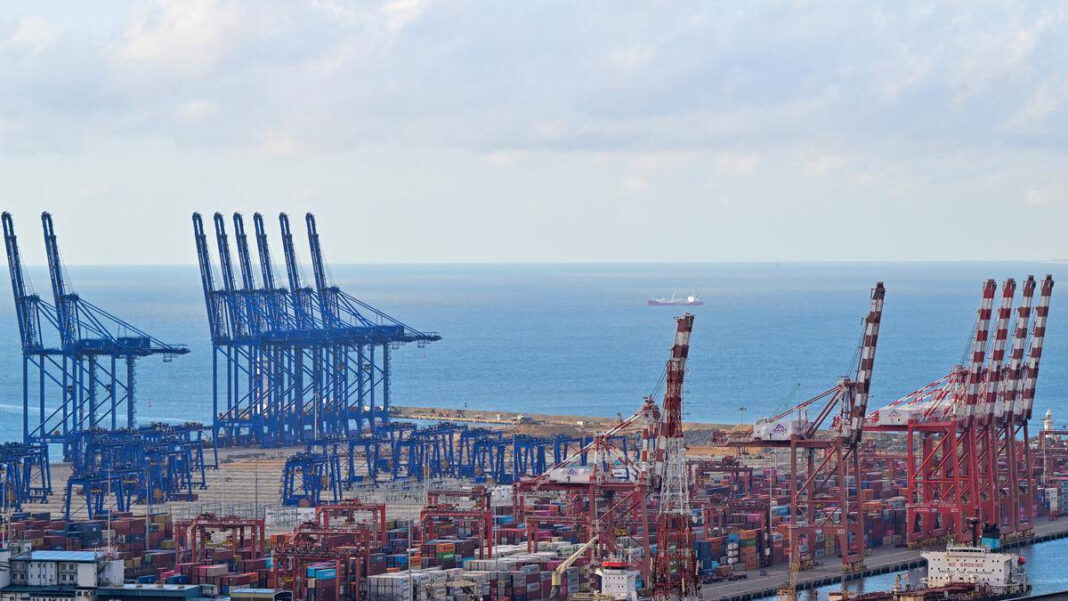
In a surprising turn of events, China has announced its withdrawal from a major investment project in Sri Lanka’s port logistics sector, raising concerns about the future of the island nation’s strategic economic plans. The project, which aimed to enhance the logistical capabilities of the Colombo Port, was a cornerstone of China’s Belt and Road Initiative (BRI) in South Asia and was expected to significantly bolster Sri Lanka’s position as a key maritime hub in the Indian Ocean.
Background
The Colombo Port has long been a focal point for international shipping and trade, serving as a crucial gateway for cargo movement between Asia, Europe, and beyond. In recent years, China has sought to expand its influence in the region through substantial investments in infrastructure projects, including ports, highways, and railways. The proposed logistics venture at the Colombo Port was designed to improve efficiency, reduce congestion, and attract more shipping lines.
Reasons for Withdrawal
Several factors contributed to China’s decision to withdraw from this pivotal investment. Growing domestic economic challenges in China, coupled with intensifying scrutiny of Chinese investments abroad, particularly in Sri Lanka, have played significant roles. Furthermore, Sri Lanka’s ongoing economic turmoil—marked by high inflation, foreign exchange shortages, and increasing debt—has raised concerns about the viability and profitability of such investments.
Additionally, mounting pressure from international stakeholders and local political dynamics may have further complicated the project. The Sri Lankan government has faced criticism regarding its previous dealings with China, especially concerning the terms of debt and perceived loss of sovereignty over strategic assets. This environment of uncertainty has likely influenced China’s choice to step back from the venture.
Implications for Sri Lanka
China’s exit from the logistics project has immediate and long-term implications for Sri Lanka. In the short term, the withdrawal raises questions about the government’s ability to attract alternative partners or investors to fill the gap left by China. The loss of this investment could delay critical infrastructure developments that are essential for economic recovery and growth, especially as Sri Lanka seeks to rebuild its economy post-pandemic.
In the long run, this development could redefine Sri Lanka’s relations with China and other foreign investors. On one hand, it could provide an opportunity for Sri Lanka to reassess its approach to foreign direct investment, seeking more equitable terms with diverse partners. On the other hand, it may signal a cooling of relations with China, which could affect other significant ongoing projects, including the Hambantota Port and the Colombo International Financial City.
Future Prospects
As Sri Lanka navigates this challenging landscape, the government faces a critical juncture. It must balance its longstanding relations with China while pursuing new partnerships that can provide the much-needed investment and technical expertise for its infrastructure projects. Engaging with a broader range of investors, including those from India, Japan, and Western nations, could mitigate the risks associated with overdependence on any single country.
Moreover, Sri Lanka will need to prioritize transparency and accountability in its dealings to rebuild trust with both foreign investors and its citizens. Ensuring that investment agreements are structured to safeguard national interests while enhancing infrastructure capabilities will be crucial for attracting sustainable investment in the future.
Conclusion
China’s withdrawal from the Sri Lanka port logistics venture signals a pivotal moment for the island nation’s economic ambitions. While it presents immediate challenges, it also offers an opportunity for Sri Lanka to recalibrate its investment strategy and diversify its partnerships. As the country works to overcome its economic hurdles, the path forward will depend on effective governance, innovative approaches to foreign investment, and the ability to maintain constructive international relations. The coming months will be critical in shaping the future trajectory of Sri Lanka’s economic landscape in a post-BRI world.