
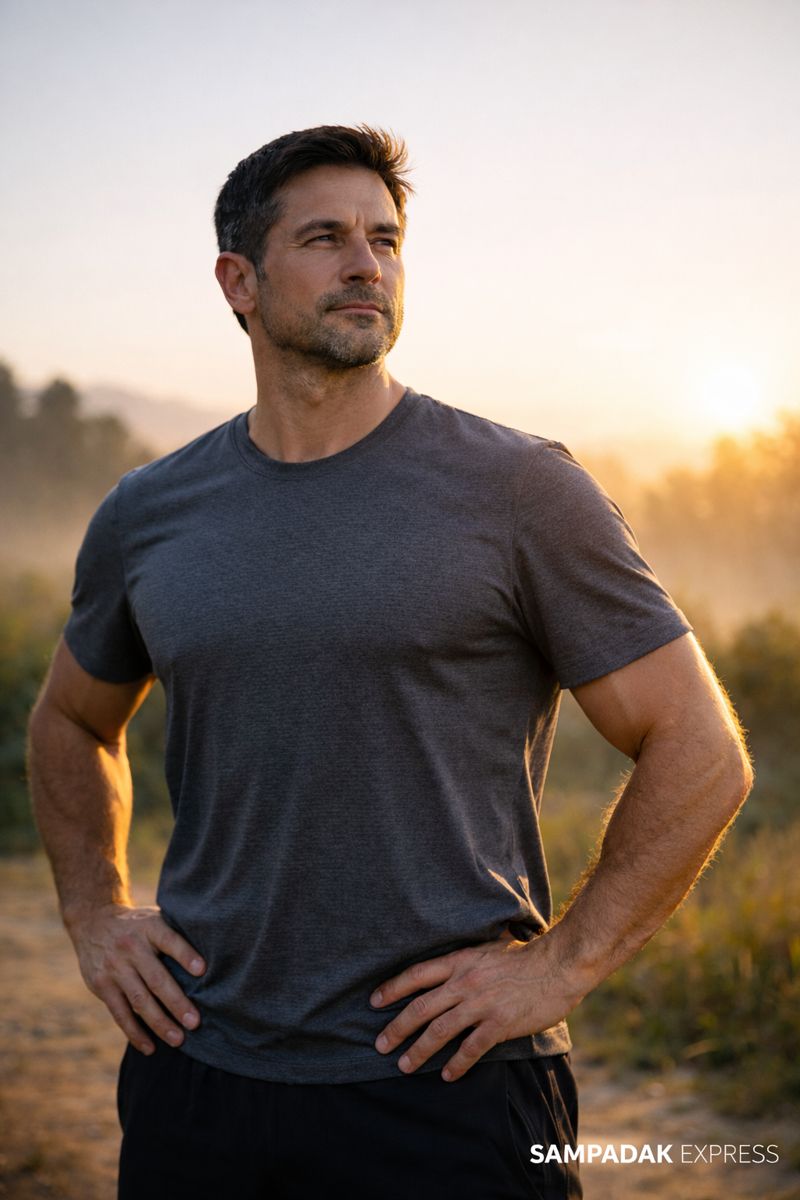

Many men today walk through life carrying a quiet exhaustion. They wake up already tired, push through the day without real energy, and fall asleep feeling mentally drained. Motivation feels lower, focus feels weaker, and even confidence slowly fades. Most blame work stress, aging, or lifestyle pressure. But often, the body is pointing toward something deeper: low testosterone.
Testosterone is not only about masculinity or reproduction. It is a regulator hormone that influences energy, strength, mental clarity, emotional stability, metabolism, and overall vitality. When its levels fall, the body doesn’t collapse suddenly. It slowly loses balance. The decline is gradual, subtle, and easily ignored.
One of the earliest signs is persistent fatigue. Even after sleep, the body feels heavy. Small tasks feel exhausting. Physical stamina drops. Exercise feels harder than before. Muscle tone weakens while fat accumulation increases, particularly around the abdomen.
Mental changes often follow. Motivation decreases. Confidence softens. Many men describe it as emotional dullness—not depression, but a fading drive. Focus weakens. Decision-making slows. The mind feels cloudy.
Sleep becomes disturbed. Either falling asleep becomes difficult or rest no longer feels restorative. Poor sleep further reduces testosterone production, creating a vicious cycle.
Another overlooked symptom is reduced stress tolerance. Earlier, challenges felt manageable. Now even minor pressures feel overwhelming. This is not a personality change. It is biological imbalance expressing itself psychologically.
Low testosterone is no longer limited to aging men. Modern lifestyle has accelerated hormonal decline even among young adults:
Understanding Testosterone and Its Impact on Health
- Irregular sleep
- High stress exposure
- Sedentary habits
- Excessive screen time
- Processed food
- Minimal sunlight
- Lack of physical exertion
The male body was built for movement, sunlight, rest, and discipline. Not endless sitting and digital overload.
The hopeful part is this: testosterone is highly responsive to lifestyle correction.
Sleep becomes the first medicine. Deep, uninterrupted rest is when most testosterone is produced. Without proper sleep, no supplement can work.
Strength training becomes the second. Resistance exercises naturally stimulate hormonal production. Controlled physical stress rebuilds hormonal rhythm.
Sunlight is essential. Vitamin D plays a direct role in hormonal balance. Morning sunlight is one of the simplest boosters.
Nutrition must return to simplicity:
- Healthy fats: ghee, olive oil, nuts
- Proteins: eggs, lentils, fish, paneer
- Zinc-rich foods: pumpkin seeds, sesame seeds
- Fresh vegetables
- Minimal sugar
Stress management becomes hormonal therapy. Chronic stress increases cortisol, which suppresses testosterone.
Mental structure matters too. Purpose, discipline, challenge, and self-respect stabilize hormones as much as physical routines do.
TRADITIONAL HERBS AND THEIR ACTIVE COMPOUNDS
Used as support, not cure.
Ashwagandha (Withania somnifera)
Active compounds: Withanolides
- Reduces cortisol
- Supports endocrine balance
- Improves recovery
Shilajit
Active compounds: Fulvic acid, Dibenzopyrones
- Supports cellular energy
- Enhances mineral absorption
Fenugreek (Methi)
Active compounds: Furostanolic saponins
- Supports free testosterone
- Improves metabolic health
Safed Musli
Active compounds: Steroidal saponins, Alkaloids
- Supports stamina and endurance
Gokshura (Tribulus terrestris)
Active compounds: Protodioscin, Flavonoids
- Supports hormonal signaling
Ginger
Active compounds: Gingerol, Shogaol
- Improves circulation
- Reduces inflammation
Garlic
Active compounds: Allicin, Diallyl sulfides
- Reduces stress hormones
Pumpkin & Sesame Seeds
Active nutrients: Zinc, Magnesium
- Essential for testosterone synthesis
These herbs support the environment in which hormones recover. They do not replace discipline.
⚠️ SAFETY NOTE
Herbs and natural supplements support health but are not substitutes for medical treatment. Anyone with existing medical conditions, those on medication, or individuals with hormonal disorders should consult a qualified doctor before using herbal supplements.