
 "
/>

Begum Akthar: Of Heartbreaks and High Notes
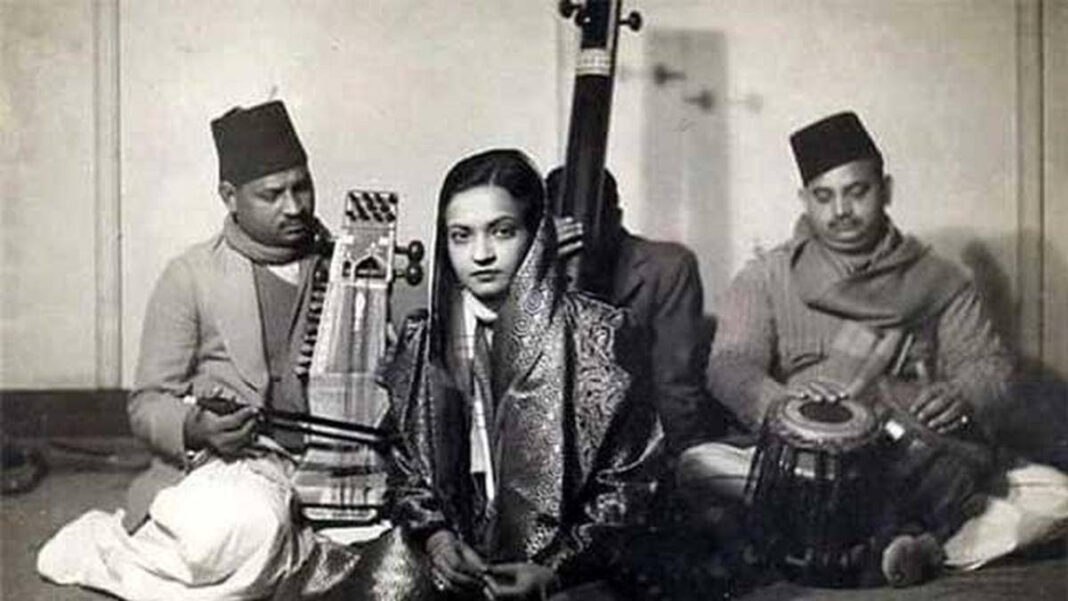
In the realm of Indian classical music, few figures resonate with the same intensity and emotional depth as Begum Akthar. A luminary of the 20th century, she transformed the ghazal and thumri traditions with her soul-stirring voice, engaging performances, and undeniable charisma. Yet, the legacy of Begum Akthar is not just one of musical triumph; it is also a tale woven with the threads of heartbreak, resilience, and unyielding passion for the arts.
Early Life: The Seeds of Melancholy
Born in 1914 in the vibrant city of Ahmedabad, Akthar Banu (later known as Begum Akthar) was exposed to music from an early age. Orphaned at a tender age, she faced life’s adversities with a profound sense of longing and emotional depth, qualities that would later manifest in her music. Her talent was evident early on; she began her formal training in music under the tutelage of revered mentors like Abdul Waheed Khan and Ustad Chhote Khan. However, her personal life was marked by tragedy, including the death of her beloved husband, which deeply influenced her artistic expression.
The Artistry of Begum Akthar
Begum Akthar’s musical prowess lay in her ability to convey pain and longing, a trait that resonated with her audiences. She became an iconic performer of ghazals, a genre rooted in themes of love, loss, and longing. Her renditions of works by poets like Mirza Ghalib and Faiz Ahmed Faiz showcased not just her vocal skills but also her interpretative depth. Her unique ability to merge the classical with emotive storytelling set her apart from her contemporaries.
Her thumris—a form of semi-classical Indian music that emphasizes romantic themes—enthralled listeners with their lyrical beauty and emotive weight. Begum Akthar’s unique interpretation of these musical forms was marked by a distinctive vibrato and a nuanced understanding of the lyrics’ emotional landscapes. Each performance was a catharsis, a sharing of her own heartache and joy with the audience.
Ghazals in the Modern Era
As India transitioned through the social and political upheavals of the 20th century, Begum Akthar became a voice of the times. Her music transcended generations, echoing the sentiments of love and loss felt by many. She performed at the All India Radio, participated in cultural festivals, and gained recognition for her contributions to music, earning the title “Mallika-e-Ghazal,” or “Queen of Ghazals.”
Despite the changing musical landscape, Begum Akthar remained steadfast in her commitment to classical forms, refusing to conform to commercial pressures. Her adherence to the true essence of ghazal and thumri meant that she sometimes struggled for recognition amidst the burgeoning film music industry. Nonetheless, her dedication never wavered, and she became a symbol of integrity and authenticity in an increasingly commercial world.
Legacy: Heartbreaks That Inspire
Begum Akthar’s life was replete with personal challenges, including failed relationships and financial struggles, yet her music served as both escape and expression. The heartbreaks she endured became the bedrock of her artistry, allowing her to channel her pain into powerful performances that captivated audiences.
Her influence continues to permeate Indian classical music, inspiring countless artists, musicians, and composers who seek to infuse the genres of ghazal and thumri with their own personal narratives. The emotional depth she brought to her music underscores a universal truth: that art, even when born from sorrow, can serve as a light in the darkest of times.
Conclusion: A Voice for All Seasons
Begum Akthar’s extraordinary journey of heartbreaks and high notes remains relevant today. Her voice, characterized by both sorrow and strength, serves as a reminder that the human experience is often marked by tragedy, joy, and resilience. Through her music, she connected with the essence of love and loss that transcends time and culture, leaving behind an indelible mark on the world of classical music. As we revisit her magnificent body of work, we celebrate not only her artistic genius but also the profound emotional truths she conveyed, making her an eternal muse for generations to come.