 "
/>
"
/>

Trade unions and agricultural organizations to participate in demonstrations
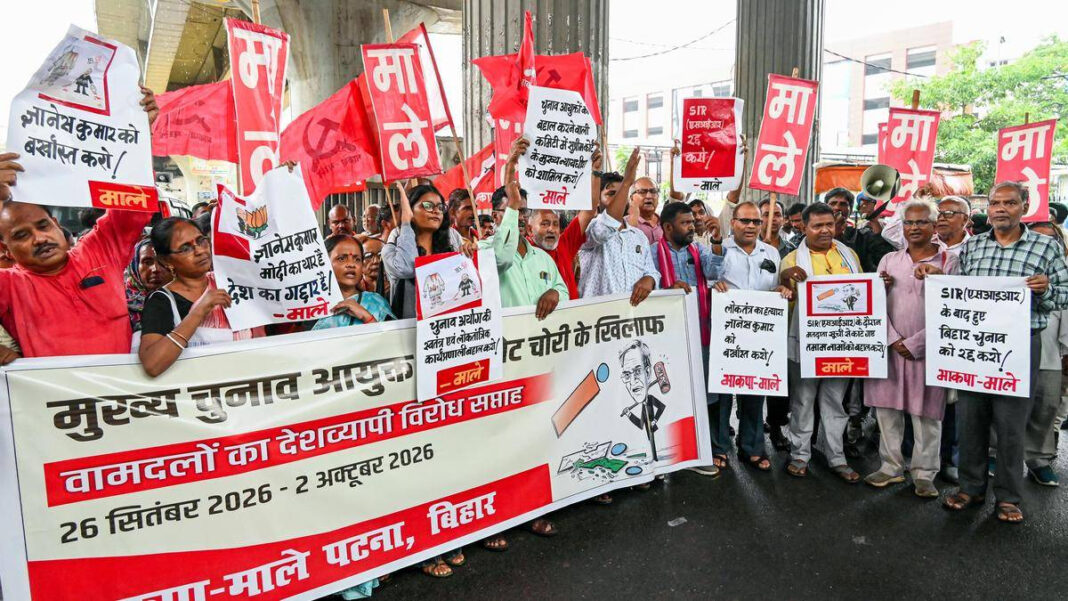
Trade Unions and Agricultural Organizations Unite to Demand Removal of CEC Gyanesh Kumar
In a significant move that underscores the growing unrest within various sectors, trade unions alongside agricultural organizations have joined forces to call for the removal of Chief Election Commissioner (CEC) Gyanesh Kumar. Their demands are rooted in concerns regarding electoral integrity, administrative transparency, and perceived biases that these groups claim undermine the fairness of the electoral process in the country.
Background of the Controversy
The call for Gyanesh Kumar’s resignation comes amid increasing criticism of the Election Commission of India (ECI) and its handling of recent elections. Allegations have been directed at the commission regarding a range of issues, including delays in announcing election dates, discrepancies in voter registration processes, and suspected favoritism towards certain political parties. Critics contend that these actions could skew electoral outcomes, ultimately threatening the democratic process.
Gyanesh Kumar, who took over as CEC, has faced mounting pressure from various sectors of society that feel disenfranchised. Farmers, trade union members, and other civil society groups have voiced their concerns over the integrity and transparency of the electoral system, claiming that the current leadership does not adequately represent their interests.
Voices of Dissent
Leaders from the united front, which includes prominent trade unions such as the All India Trade Union Congress (AITUC) and various farmer organizations, held a press conference to outline their grievances. They argued that the CEC’s decisions have adversely affected the democratic rights of citizens and have favored corporate interests over the working class and agricultural communities.
“Under Gyanesh Kumar’s leadership, we have seen a retreat from fairness and transparency in our elections,” stated a representative from the AITUC. “Labor rights and the voices of farmers have been systematically marginalized, which raises serious questions about the legitimacy of upcoming electoral processes.”
Farmer groups have also expressed concern that electoral decisions directly affect the agrarian sector, particularly in areas such as subsidy allocation, crop pricing, and land use policies. Many feel that their grievances are not being addressed at the highest levels of political discourse, leading to a call for reform in electoral administration.
The Broader Implications
The demand for Gyanesh Kumar’s removal is emblematic of broader tensions within Indian society as various groups seek a larger voice in governance. With the 2024 general elections approaching, the alliance of trade unions and agricultural outfits represents a significant challenge to the ruling party, as they mobilize to ensure that their concerns receive the attention they deserve.
Moreover, their collective action reflects a growing trend of grassroots mobilization in India, where diverse groups are increasingly aligning around common issues such as labor rights, agricultural policies, and democratic representation. The impact of this solidarity can have far-reaching implications for the political landscape, especially as various stakeholders recognize the power of collective action.
Government and ECI Responses
As pressure mounts, the government and the Election Commission have been relatively silent on the demands for Gyanesh Kumar’s removal. Statements from both entities are anticipated in the coming weeks, as the situation continues to develop. Analysts suggest that how the ECI responds to these grievances could determine public confidence in the electoral process and might impact voter turnout in future elections.
Conclusion
The convergence of trade unions and farm outfits in demanding the removal of CEC Gyanesh Kumar marks a pivotal moment in the intersection of labor rights, agricultural concerns, and electoral integrity in India. As the nation prepares for a crucial electoral period, the pressure on the ECI will likely continue to escalate, reflecting the deepening call for a fair and representational democratic process. The unfolding events will be closely watched, not only for their immediate impacts on leadership within the ECI but also for their broader implications on Indian democracy and governance.