
Clarity Issues
Change in Transgender Law Cannot Take Away Rights Already Given, Supreme Court Tells Centre
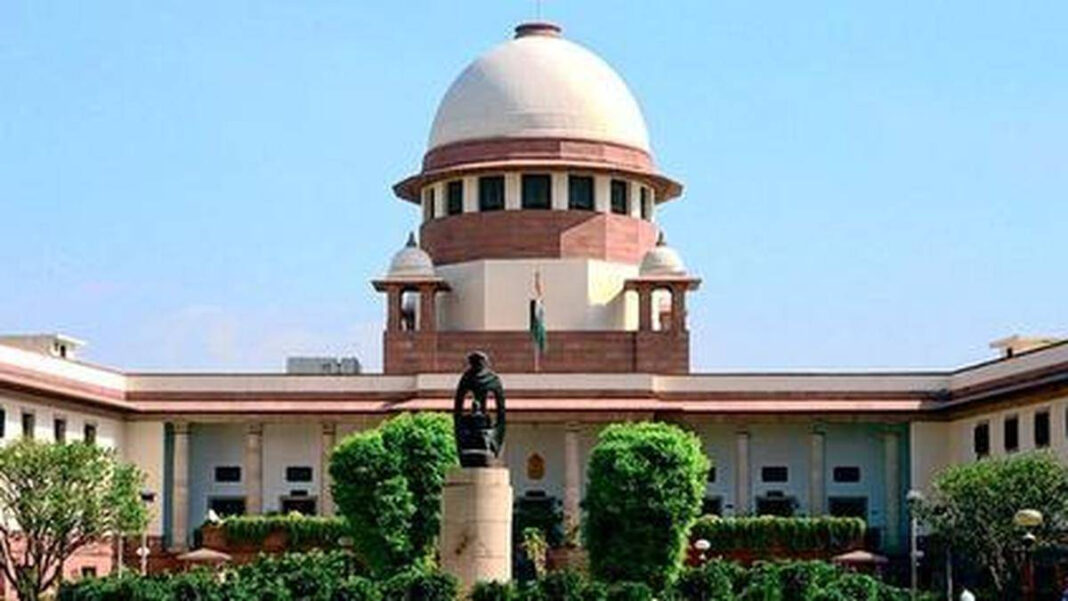
In a pivotal ruling that underscores the importance of safeguarding rights within the LGBTQ+ community, the Supreme Court of India recently reaffirmed that any modifications to existing transgender laws cannot infringe upon rights that have already been granted. This landmark decision has significant implications for the protection and recognition of transgender individuals in India, reflecting the judiciary’s commitment to upholding human rights amidst evolving legal frameworks.
Background
The journey towards legal recognition and protection of transgender rights in India has been long and arduous. The historic 2014 Supreme Court judgment in National Legal Services Authority vs. Union of India recognized transgender individuals as a third gender and affirmed their fundamental rights to live with dignity and equality. This ruling paved the way for greater visibility and legal acknowledgment of the transgender community, influencing subsequent legislation, including the Transgender Persons (Protection of Rights) Act, 2019.
However, discussions around amending existing laws to refine provisions related to gender identity and rights have sparked concerns among activists and legal experts. They argue that while the legal landscape continues to develop, any changes must not undermine the rights and protections that have already been established.
The Supreme Court’s Ruling
In a recent case brought before it, the Supreme Court addressed concerns related to potential amendments to the Transgender Persons (Protection of Rights) Act. The court made it explicitly clear that the rights granted under the current legal framework are non-negotiable and cannot be rescinded by subsequent legislative actions. The bench underscored the principle that rights, once granted, should remain intact and evolve alongside society’s understanding of gender and identity.
The judges emphasized that any legislative changes must be approached with caution, ensuring that they do not lead to a regression in the rights of transgender individuals. The court’s ruling serves as a reminder that the well-being of vulnerable communities must be prioritized in deliberations over legal reforms.
Implications for Transgender Rights
The Supreme Court’s reaffirmation of existing rights carries profound implications, offering both protection and hope to the transgender community. This ruling not only solidifies the judicial commitment to uphold the rights of transgender individuals but also sends a strong message to the legislature about the importance of safeguarding these rights against potential political and social pressures.
Moreover, this decision is poised to galvanize activists and advocacy groups, reinforcing their efforts to ensure that all members of the LGBTQ+ community are recognized and protected under the law. It highlights the urgent need for comprehensive support systems, including healthcare access, employment opportunities, and social acceptance, which are critical for the empowerment of transgender individuals.
A Call for Comprehensive Policy
While the Supreme Court’s ruling is a significant step forward, it also underscores the need for a comprehensive and inclusive policy framework that goes beyond legal recognition. Advocates argue that laws should be accompanied by actionable clauses that address systemic discrimination and provide resources for education, healthcare, and social inclusion.
As India moves forward in its journey towards full equality for all marginalized communities, the ruling serves as a crucial reminder that legal rights must be paired with societal acceptance and support. It is essential for policymakers to engage with the transgender community and listen to their lived experiences to create more effective and inclusive solutions.
Conclusion
The Supreme Court’s assertion that changes in transgender law cannot dilute existing rights is a resounding affirmation of justice and equality in a diverse society. It marks a positive trajectory for the rights of transgender individuals in India, ensuring that they remain protected amidst changing societal and legal landscapes. As the nation grapples with ongoing discussions around gender, identity, and rights, this ruling lays a crucial foundation for a future that respects and embraces diversity, advancing the cause of human rights for all.