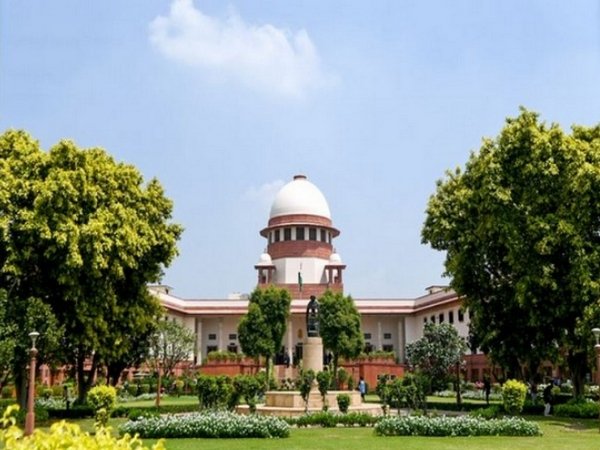

In a significant move on Thursday, the Supreme Court directed courts nationwide to refrain from entertaining new lawsuits or pleas that seek archaeological surveys of mosques to determine if temples lie beneath them. The court also ordered lower courts to halt proceedings in existing suits concerning such disputes, effectively freezing any surveys until further directions are issued.
While hearing petitions challenging the Places of Worship Act, 1991, the court emphasized that no orders for surveys or any other substantial orders should be passed in ongoing cases related to the issue.
The Places of Worship Act, passed in 1991, was designed to preserve the religious identity of all places of worship as they existed at the time of India’s Independence. The law made an exception only for the Ram Janmabhoomi-Babri Masjid dispute in Ayodhya, which has since been resolved.
However, several recent petitions argue that the Act infringes upon the fundamental rights of Hindus, Jains, Buddhists, and Sikhs, who wish to reclaim and restore places of worship they believe were destroyed during historical invasions. Petitioners claim the law restricts their right to seek judicial recourse to restore sites of religious and historical significance.
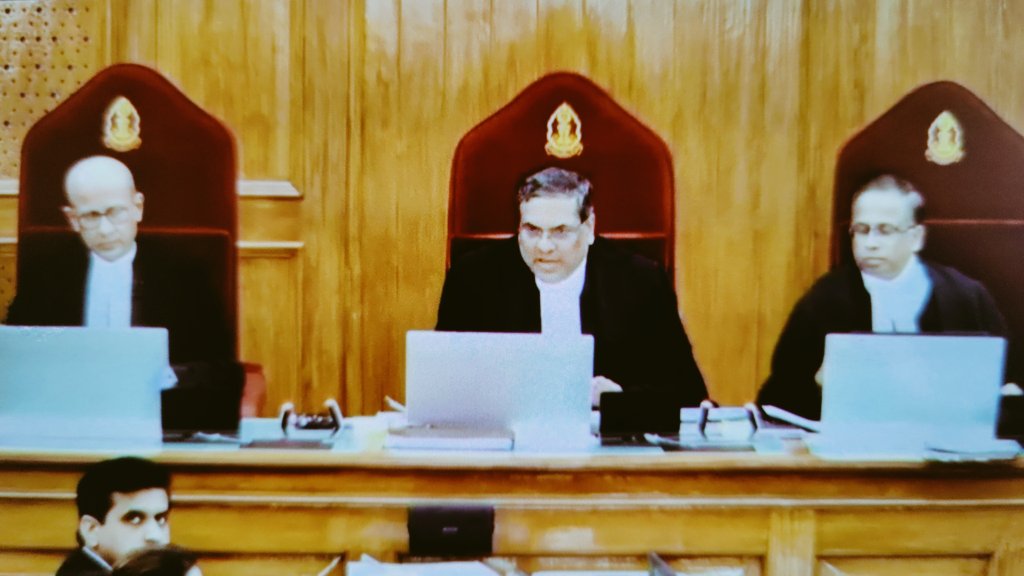
In Thursday’s hearing, the Supreme Court bench clarified that it is reviewing the validity, scope, and application of the 1991 law, suggesting a thorough examination of the Act’s provisions in future proceedings.
Context: The Sambhal Mosque Case and Others
This directive follows a surge of petitions across India requesting surveys of mosques under the belief that temples exist beneath them. One notable case is the Sambhal mosque dispute in Uttar Pradesh, where petitioners have sought an Archaeological Survey of India (ASI) investigation of the Teely Wali Masjid. The petitioners argue that the mosque was built over the remains of an ancient temple dedicated to Lord Shiva.
The case in Sambhal mirrors controversies involving the Gyanvapi mosque in Varanasi and the Shahi Idgah mosque in Mathura, where similar petitions alleging Hindu temples beneath mosques have ignited legal and communal tensions. In Sambhal, a local court had been considering a survey request before the Supreme Court’s intervention froze proceedings nationwide.
The Supreme Court’s Role in Maintaining Balance
The Supreme Court’s intervention is seen as an effort to prevent further litigation that could stoke communal tensions. By freezing new and ongoing suits, the court ensures no fresh surveys can be ordered while it reviews the broader constitutional issues related to the Places of Worship Act.
Legal experts suggest that the Supreme Court’s ruling could have far-reaching consequences for ongoing religious disputes. “The court’s cautious approach signals a desire to avoid tensions while also carefully addressing the constitutional concerns surrounding the Act,” said a senior legal expert.
Implications and What Lies Ahead
The issue remains highly sensitive, especially in Uttar Pradesh, where the Sambhal, Mathura, and Varanasi disputes have become flashpoints. The Supreme Court’s eventual decision on the Places of Worship Act could reshape the legal landscape governing religious site disputes in India.
As the court continues to examine the petitions, the challenge remains to balance historical grievances with the law’s goal of preserving communal harmony and maintaining the status quo. The next hearing is eagerly awaited, with all eyes on how the court will interpret the constitutional validity of the 1991 legislation.