 "
/>
"
/>

Discarded Flowers from Ganesh Immersions Find a Second Life in Cyberabad
Every year, the vibrant streets of India come alive with the festive spirit of Ganesh Chaturthi, a festival dedicated to Lord Ganesha. As the festival culminates in immersion ceremonies, thousands of beautifully adorned idols are submerged into water bodies, often accompanied by an overwhelming amount of floral offerings. While these colorful garlands add to the celebratory ambiance during the festival, they also contribute significantly to environmental pollution post-immersion. However, in Cyberabad, a unique initiative has emerged to give discarded flowers a second life, turning waste into opportunities for sustainability and creativity.
The Problem with Discarded Offerings
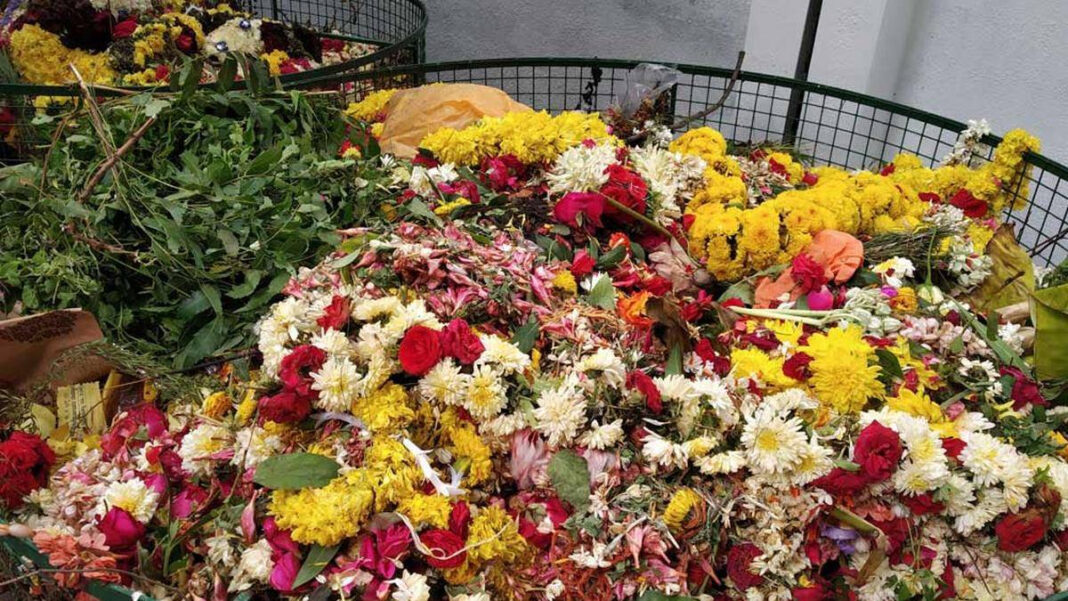
Traditionally, the floral offerings made to Lord Ganesha consist of a variety of blooms, from marigolds to roses, many of which are treated with chemical dyes for vibrant colors. After the immersion, these flowers—once symbols of devotion and joy—end up in rivers, lakes, and other water bodies, causing ecological harm and disrupting aquatic life. The decomposing flowers also release toxins, further exacerbating the pollution problem. Recognizing this environmental challenge, local NGOs and community initiatives in Cyberabad have sought innovative ways to address the issue.
The Initiative: Recycling Floral Waste
Inspired by the need to reduce waste and promote sustainability, several organizations in Cyberabad have launched initiatives to collect discarded flowers from immersion sites. Volunteers gather these once-celebrated blooms and transport them to community centers where they undergo a transformation into useful products.
One leading initiative, “FlowerCycle,” has emerged as a beacon of hope in this movement. With a dedicated team comprising local residents, environmental enthusiasts, and recycling experts, FlowerCycle’s mission is to repurpose the floral waste into diverse products such as compost, eco-friendly paper, and natural dyes.
Creating Value from Waste
-
Composting: The first step in the recycling process involves composting the flowers, creating nutrient-rich organic fertilizer. This not only diverts waste from landfills but also provides a sustainable alternative for agriculture and gardening.
-
Natural Dyes: The vibrant hues of the flowers are harnessed to create natural dyes, which are increasingly sought after in the textile and craft industries. By promoting organic dyes, the initiative supports sustainable fashion practices while reducing reliance on synthetic options.
- Eco-Friendly Paper: Artists and craftspeople are also benefitting from the initiative. The flowers are transformed into handmade paper, which can be used for various purposes, including greeting cards, invitation cards, and stationery. This approach not only provides a creative outlet but also raises awareness about the significance of reducing waste.
Community Involvement and Awareness
The success of this initiative hinges on community engagement. Local residents, school groups, and businesses are encouraged to participate in the collection drives, helping to raise awareness about the environmental impact of Ganesh immersion waste. Workshops and educational programs are organized to educate the public about the importance of sustainability and waste management.
Additionally, by collaborating with local artisans, the initiative promotes handicrafts, providing them with raw materials while fostering economic opportunities within the community. This symbiotic relationship garners support for traditional craftsmanship, encouraging a revival of local art forms.
A Sustainable Future
The responsibility of protecting the environment lies with each of us, and the initiative in Cyberabad exemplifies how communities can come together to enact positive change. By repurposing discarded flowers, individuals are not only contributing to environmental conservation but are also breathing new life into these otherwise wasted offerings.
As the festival season approaches once again, this innovative project serves as a reminder that even in the post-festive remnants, there exists the potential for creation and sustainability. Through collective efforts, discarded flowers are becoming symbols of hope, commitment, and resourcefulness in the face of environmental challenges, setting an inspiring example for other communities across India and beyond. With continued awareness and action, Cyberabad is paving the way for a greener future—one flower at a time.