
Title: Plea in Supreme Court Seeks SIT Probe Against CEC Gyanesh Kumar: A Call for Accountability in India’s Election Commission
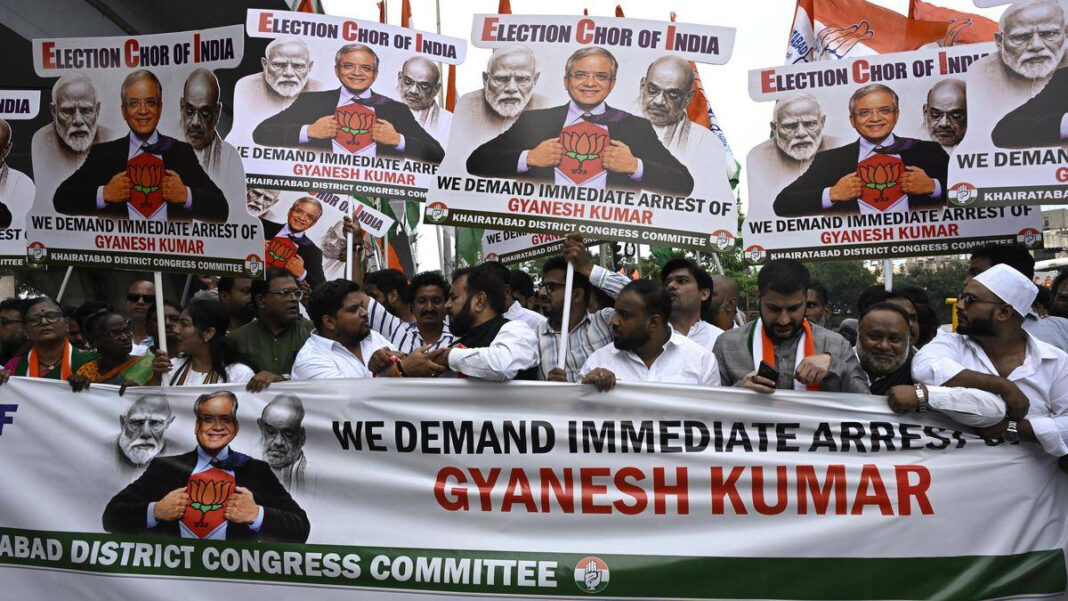
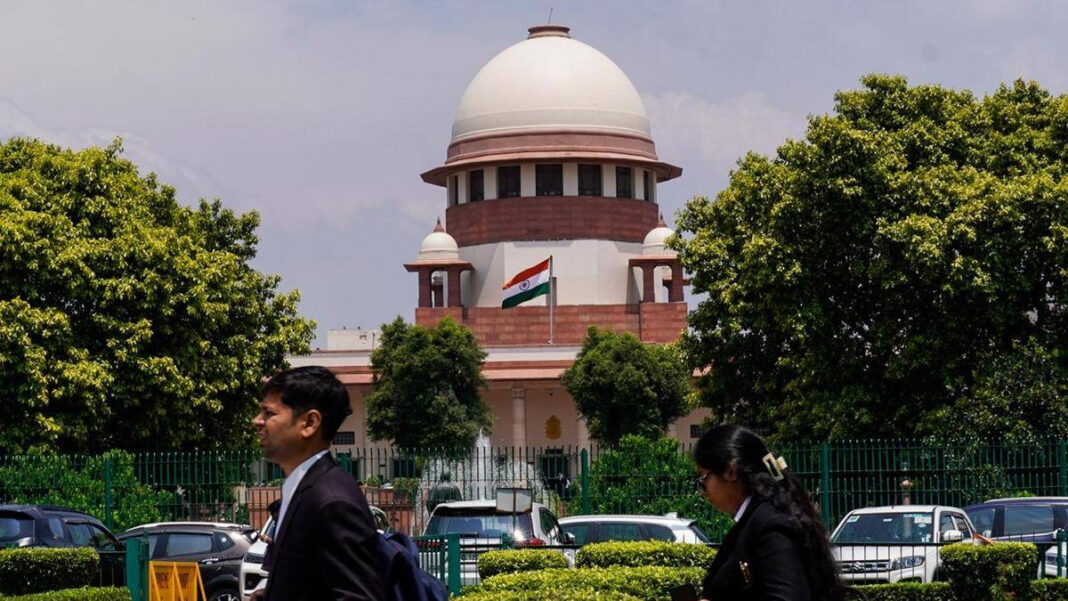
In a remarkable legal development that underscores the integrity of electoral processes in India, a public interest litigation (PIL) has been filed in the Supreme Court seeking a Special Investigation Team (SIT) probe against Chief Election Commissioner (CEC) Gyanesh Kumar. The petition additionally calls for a comprehensive audit of the Election Commission’s databases and electoral processes.
Background of the Case
The Election Commission of India (ECI) has long been revered as the guardian of free and fair elections in the world’s largest democracy. With a responsibility that extends beyond the mere administration of elections, the ECI’s integrity is paramount to maintaining public trust in democratic processes. However, allegations have arisen that have put the spotlight on the current leadership under Gyanesh Kumar, raising concerns about potential misconduct and the need for clear accountability mechanisms.
Allegations Highlighted in the Petition
The petition outlines various allegations against CEC Gyanesh Kumar and calls for the investigation to focus on specific areas, including:
-
Mismanagement of Electoral Processes: The petitioner claims there have been instances of mismanagement and irregularities during recent elections, which could jeopardize their integrity.
-
Database Integrity Issues: The plea raises alarms about potential discrepancies and lapses within the databases maintained by the Election Commission, suggesting that these could affect voter rolls and ultimately influence election outcomes.
- Transparency and Accountability: There is a strong demand for transparency in the ECI’s operations. The petition argues that auditing the databases would clarify the integrity and reliability of the electoral process, thus reinforcing public confidence.
The Need for a SIT Probe
A Special Investigation Team is often deemed necessary for high-profile cases where existing investigative agencies may face scrutiny or conflict of interest. The request for a SIT probe into Gyanesh Kumar’s handling of the Election Commission’s affairs aims to ensure an objective investigation devoid of the potential biases that could affect standard inquiries.
Implications for the Election Commission and Indian Democracy
The push for a judicial examination of the ECI’s practices raises important questions about the mechanisms in place to ensure electoral integrity in India:
-
Strengthening Institutional Integrity: A thorough investigation could lead to recommendations that reinforce the ECI’s framework, fostering greater trust in the election process.
-
Encouraging Transparency: By undertaking an audit of the databases, the Election Commission could bolster its commitment to transparency, ensuring that all stakeholders — from voters to political parties — feel confident in the electoral outcomes.
- Restoring Public Trust: As the political climate in India remains charged, it is essential for institutions like the ECI to operate above reproach. A transparent investigation may serve as a crucial step in restoring faith in one of the pillars of Indian democracy.
Conclusion
The move to bring an SIT probe against CEC Gyanesh Kumar to the Supreme Court reflects an increasing demand for accountability in the nation’s electoral processes. As the Court considers this plea, it stands at a pivotal juncture not only for the ECI but for the broader health of democracy in India. The outcome may set significant precedents for how electoral bodies are governed and held accountable in the future, ensuring that the sanctity of the electoral process remains inviolable. The public awaits with bated breath, hopeful for a resolution that honors the principles of democracy and electoral integrity.