 "
/>
"
/>

Karnataka’s Financial Quandary: Joshi Accuses State Government of Mismanagement and Blame Shift
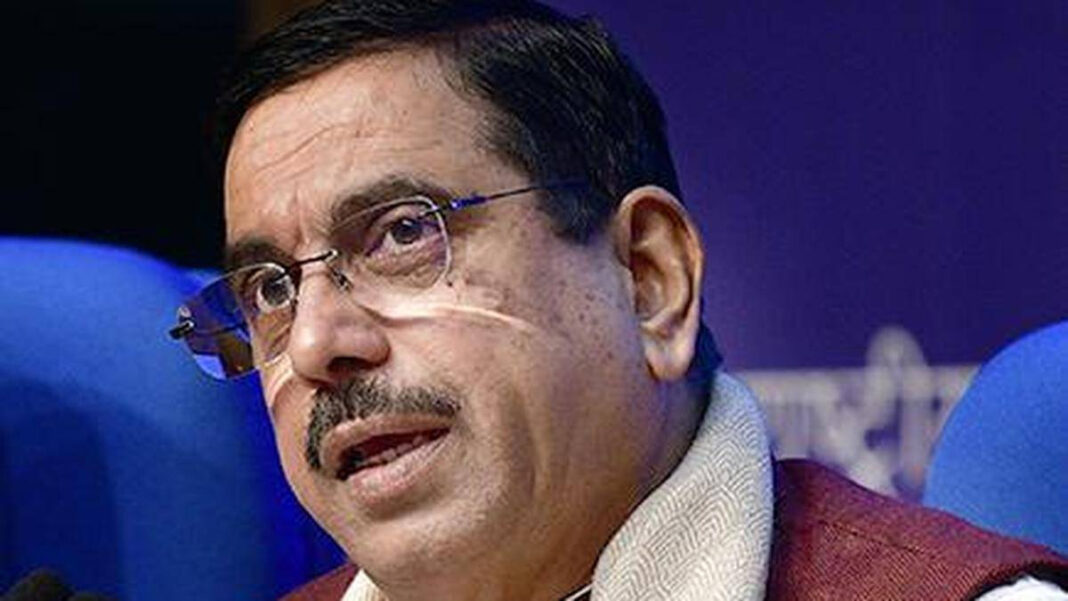
In the recent political discourse surrounding Karnataka’s fiscal health, Union Minister of Parliamentary Affairs, Pralhad Joshi, has emerged as a vocal critic of the state government, accusing it of deflecting responsibility for its financial mismanagement onto the Central government. This accusation underscores the political dynamics at play within the state, as the ruling party seeks to navigate a challenging economic landscape amidst a heavy fiscal burden.
The Context of the Allegations
Karnataka, known for its robust economy and vibrant IT sector, has faced significant financial challenges in recent years. The government’s rising debt, coupled with increasing demands for public services, has painted a grim picture of fiscal sustainability. As the state grapples with budgetary constraints and economic pressures exacerbated by the COVID-19 pandemic, political leaders have begun to point fingers, with Joshi’s remarks reflecting a broader sentiment surrounding fiscal accountability.
In his statement, Joshi emphasized that instead of acknowledging its financial mismanagement, the Karnataka government has chosen to “pass the buck” to the Centre. This has resonated with citizens and stakeholders who have observed the state’s habit of deferring blame rather than addressing systemic issues within its budget management and resource allocation.
Fiscal Mismanagement: Unpacking the Issues
Critics argue that the Karnataka government has struggled with efficient fiscal management, leading to increased reliance on borrowing and dwindling reserves. The state has been criticized for its failure to curtail unnecessary expenditures, all while rolling out populist schemes that strain the exchequer. Joshi’s remarks encapsulate this frustration, illuminating issues such as:
-
Rising Debt Levels: Karnataka’s debt has surged, raising alarms about its long-term fiscal sustainability. Service payments on debt have begun to consume a significant portion of the state budget, limiting funds available for critical development initiatives.
-
Populist Schemes: The government’s introduction of various welfare schemes, while politically popular, has led to unsustainable financial commitments. Critics argue that these initiatives, without proper financial backing, have contributed to the state’s fiscal shortfall.
- Lack of Accountability: Joshi suggests that the state’s leadership has avoided necessary accountability measures, leading to a culture of mismanagement. Instead of seeking innovative solutions or engaging with Central schemes designed to bolster state finances, the government has opted for a strategy of blaming external stakeholders.
Political Implications
Joshi’s criticisms reflect not just a FRUSTRATION with fiscal policies but also a strategic political maneuvering ahead of upcoming elections. The state is a significant stronghold for the Bharatiya Janata Party (BJP), and these comments may be an effort to galvanize support against the ruling party, which is currently facing scrutiny over its governance.
As the BJP seeks to position itself as a viable alternative, it will likely continue to emphasize the failures of the Karnataka government in handling finances. This shift could create an environment ripe for political competition, especially as other parties may also capitalize on public discontent with fiscal management.
The Road Ahead
For the people of Karnataka, the ramifications of fiscal mismanagement could be dire if left unaddressed. The state government must accept responsibility for its financial decisions and take decisive steps toward fiscal reform. This may involve revisiting welfare programs, improving public sector efficiency, and fostering an environment of transparency and accountability.
Moreover, a collaborative approach with the Centre could yield positive outcomes, as financial assistance and policy guidance may help address some of the deep-rooted issues plaguing Karnataka’s economy. Instead of a blame game, a concerted effort towards fiscal stability could secure the state’s prosperity and, ultimately, the welfare of its citizens.
In conclusion, while Joshi’s accusations of blame-shifting may serve immediate political interests, they also highlight the pressing need for honest introspection and proactive measures from the Karnataka government. As the fiscal situation continues to evolve, it remains to be seen whether the state can rise to the occasion or whether the blame will continue to overshadow responsible governance.