
By The Sampadak Express
In a historic move, the Indian government has announced that the upcoming national population census will include a caste wise enumeration of Muslims for the first time. Until now, Muslims were counted solely as a religious group, without any caste categorization.
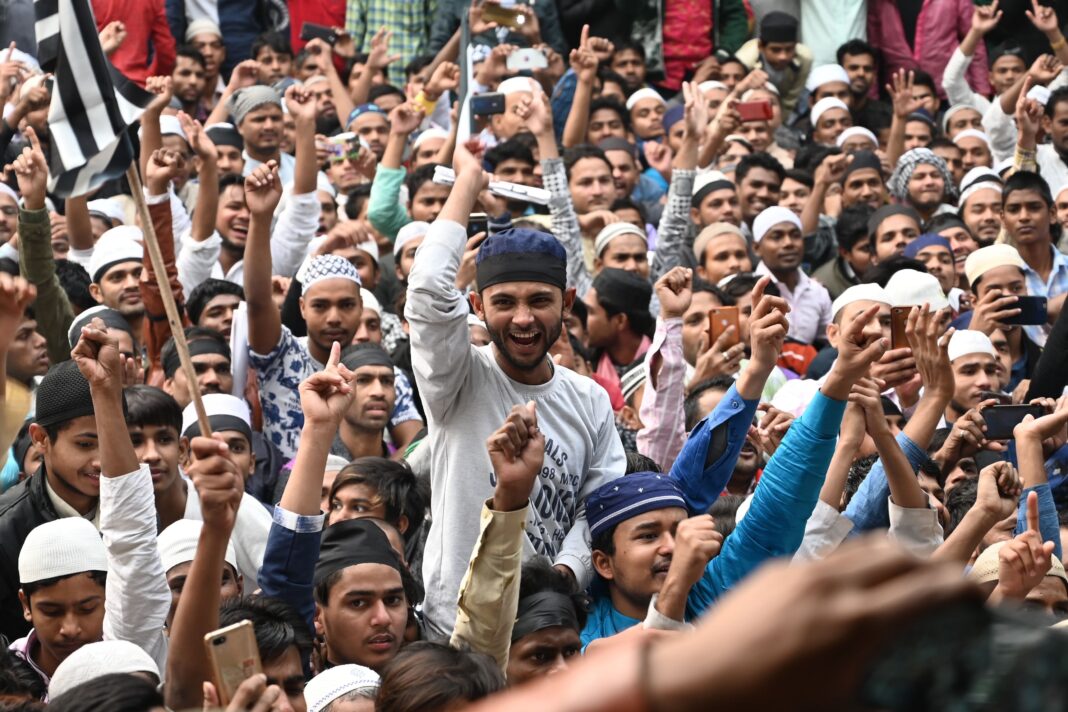
This shift marks a significant policy change and is expected to provide vital data on the socio-economic and educational conditions of various Muslim sub-castes, particularly Pasmanda Muslims who represent the majority of the Muslim population in India and are often categorized under the Other Backward Classes (OBC).
Understanding Caste Among Indian Muslims
Despite the common belief that Islam promotes an egalitarian society, caste like hierarchies do exist among Indian Muslims. Sociological studies, such as the seminal 1973 work by JNU professor Imtiaz Ahmad, have highlighted endogamy, occupational stratification, and notions of purity among Muslim communities practices that mirror Hindu caste structures.
Various state-level surveys have already captured caste data among Muslims, revealing that many Pasmanda Muslims identify themselves within caste lines.
Why the Caste Census Matters
The inclusion of Muslims in caste enumeration could lead to more accurate targeting of welfare policies and ensure better representation in education, jobs, and politics. Currently, several Muslim communities receive OBC reservations due to their social and economic backwardness. According to a 2005 NSSO report, OBC Muslims make up around 41% of the total Muslim population.
Reservation practices vary across states:
1. Kerala offers OBC reservations for the entire Muslim population.
2. Tamil Nadu includes around 95% of Muslim communities under OBC.
3. Bihar classifies most Muslim communities under the “Most Backward” sub-category.
4. Karnataka had a 4% Muslim OBC quota, later reallocated by the BJP government.
Political Significance
The Centre’s decision to include caste data in the census follows long-standing demands by the Congress. However, with the BJP now taking the lead, the ruling party could gain a strategic edge, particularly among Pasmanda Muslims estimated to constitute over 70% of the Muslim population.
Analysts view the move as a calculated political step to break the perceived Muslim vote bloc and enhance representation of marginalized Muslim groups. The BJP has been actively engaging with Pasmanda communities, arguing they’ve been historically underrepresented in social and political institutions including bodies like the All India Muslim Personal Law Board.
By ensuring caste-based enumeration, the BJP aims to address this imbalance while reinforcing its narrative of inclusive development based on social equity rather than religious identity.