 "
/>

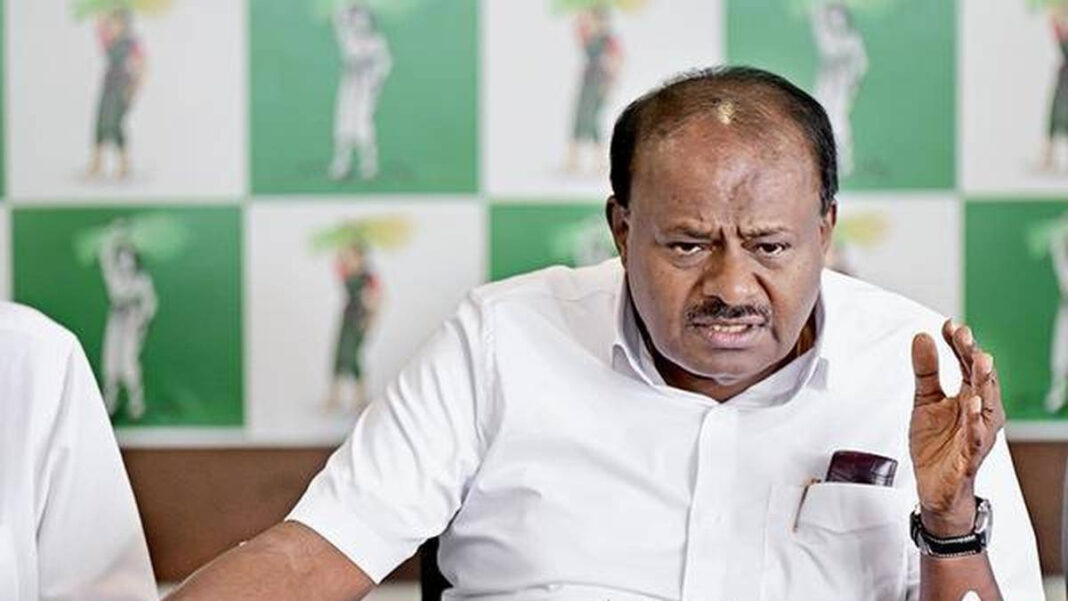
HDK Asks ECI to Reveal Facts: A Call for Transparency in Electoral Processes
In a recent development that has garnered significant attention in Indian political circles, H.D. Kumaraswamy (HDK), the leader of the Janata Dal (Secular) party, has formally requested the Election Commission of India (ECI) to disclose crucial facts about the electoral processes and decisions influencing the upcoming elections. This appeal highlights a growing demand for transparency and accountability in the electoral system, which is a cornerstone of democracy.
Background Context
H.D. Kumaraswamy, a prominent figure in Karnataka’s political landscape and a former Chief Minister, has always been vocal about issues pertaining to electoral integrity. As the elections draw closer, concerns about the fairness and transparency of the electoral process have intensified. Polling integrity is not just a local issue in Karnataka; it resonates across India, especially in a climate where accusations of bias and manipulation have flared up amid razor-thin election margins.
The Request to ECI
HDK’s appeal to the ECI comes on the heels of various incidents suggesting the need for clearer guidelines and greater scrutiny of the electoral practices. Kumaraswamy’s request for the facts includes:
-
Voter Preparedness: Information on how prepared the ECI is to ensure the smooth and fair conduct of the elections, including measures taken to improve voter turnout.
-
Electoral Roll Transparency: An inquiry into the practices for maintaining electoral rolls and ensuring that they are free from duplications or fraudulent entries.
-
Campaign Regulation: Clarity on the regulations surrounding campaign financing and spending, which are essential to maintaining a level playing field among candidates.
-
Use of Technology: An explanation of the technological safeguards in place for electronic voting machines (EVMs) and other tech used in elections, particularly amidst rising skepticism from various political players.
- Complaint Mechanisms: Details on how voters and candidates can lodge complaints regarding electoral malpractices, along with the effectiveness of the ECI’s mechanism for addressing these issues.
Implications of the Request
Kumaraswamy’s appeal may have broad implications for the political landscape. By demanding transparency, HDK is not only holding the ECI accountable but is also resonating with a growing segment of the electorate that seeks reassurance about the integrity of the electoral process. His concerns reflect widespread apprehensions about potential irregularities and the need for vigilant oversight during elections.
Moreover, if the ECI responds positively to HDK’s request, it could foster greater public confidence in the electoral process. Transparency in how elections are conducted might encourage higher voter participation, an essential element for a healthy democracy. By addressing these concerns, the ECI can demonstrate its commitment to conducting free and fair elections.
Conclusion
As political tensions rise and elections loom, the request by H.D. Kumaraswamy to the Election Commission of India serves as a significant reminder of the ongoing need for transparency in electoral processes. This moment underscores the essential role that oversight bodies play in upholding democratic norms, as well as the importance of public trust in these institutions. The response from the ECI will be crucial not only in addressing the specific concerns raised by HDK but also in setting a precedent for how electoral integrity issues are managed in the future. Only through transparency and accountability can the confidence of the electorate be secured, paving the way for a fair and democratic electoral process.