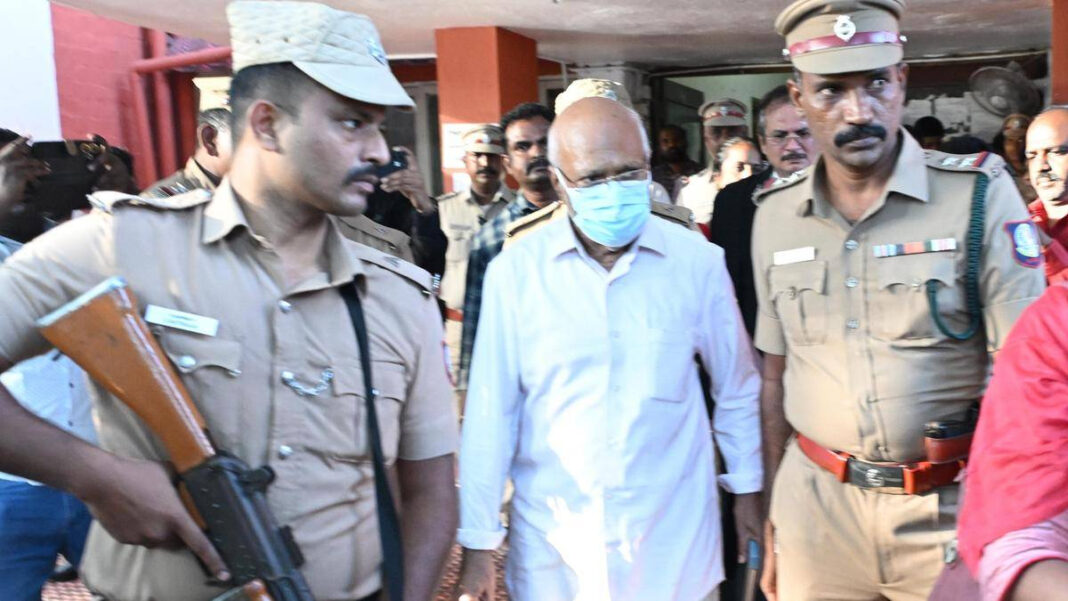

‘Gem Granites’ founder R. Veeramani POCSO cases in Tamil Nadu: key developments so far
Disturbing allegations of sexual offences against minors have come to the fore in Tamil Nadu through September 2026, with 84-year-old business tycoon and Gem Granites founder R. Veeramani at the centre of multiple complaints. Veeramani was arrested in late August along with two others in connection with the alleged sexual assault of a minor girl. Since then, several survivors—who were between 12 and 15 years old at the time of the alleged incidents—have stepped forward and recorded their statements, prompting a widening investigation under the Protection of Children from Sexual Offences (POCSO) Act.
Background and timeline
According to case records cited by investigators, the Chennai police had obtained video evidence related to an alleged assault as early as October 2025. The visuals were reportedly received following a complaint filed by a child rights activist. Despite this, police action did not progress in a timely manner. Instead, a report was subsequently filed before a court recommending that further action in the matter be dropped. The court rejected the report, setting the stage for the present probe.
In late August 2026, Veeramani and two alleged accomplices—identified as Shanthi, 55, and Mahendra Simhan, 60—were arrested. Investigators have alleged that a bungalow belonging to one of the co-accused was used by Veeramani to commit the crime. Following these arrests, more survivors came forward, and formal complaints were recorded, expanding the scope of the inquiry.
Police conduct under scrutiny
The Chennai police have come under intense criticism for their handling of the case, particularly for failing to act decisively when the complaint and purported video evidence first surfaced in 2025. The filing of a report recommending closure, and its subsequent rejection by the court, has further deepened concerns about the initial response to the allegations.
Government action and special probe
Responding to the mounting outcry, the TVK-led Tamil Nadu government removed two senior IPS officers from their posts: A. Arun, Additional Director General of Police at the Tamil Nadu Police Academy, and N. Kannan, Commissioner of Police, Coimbatore. Both officers were in leadership roles at the Chennai Police Commissionerate when the original complaint emerged, and their removal has been framed by the government as an accountability measure.
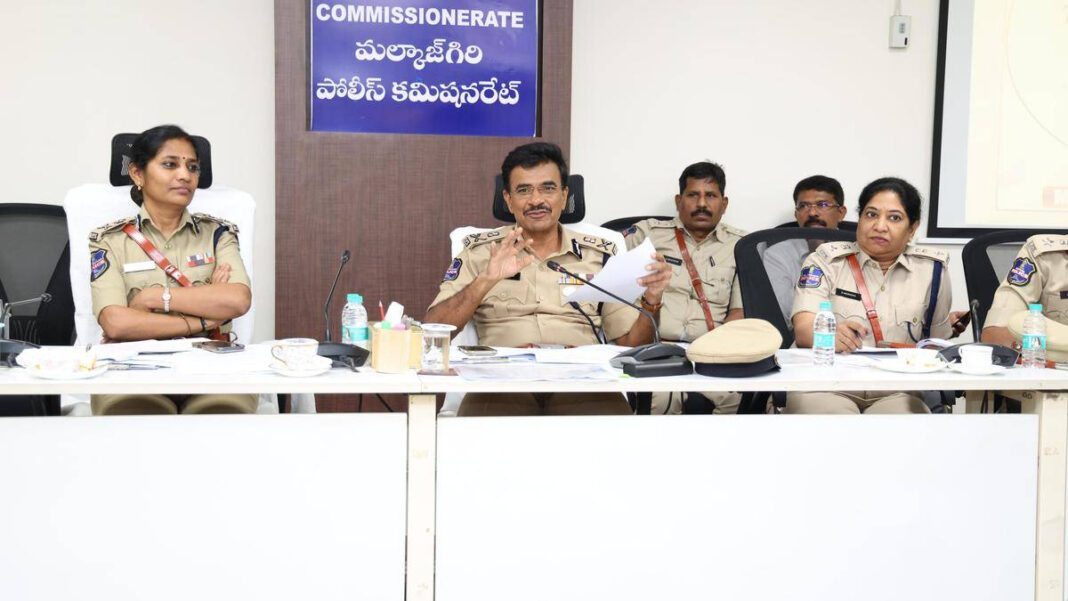
In parallel, the state constituted a special investigation team (SIT) comprising women officers to lead the probe into the case and related complaints. The SIT has been tasked with examining the full span of allegations against Veeramani and his co-accused, scrutinizing the handling of the original complaint, and pursuing any connected offences uncovered during the course of the investigation.
Widening investigation under POCSO
As the SIT proceeded, additional cases of alleged sexual assault against children were registered under the POCSO Act, indicating that the inquiry has broadened beyond the initial complaint. Authorities have acknowledged that multiple survivors have recorded statements, and that the investigation now encompasses a series of alleged offences.
Public attention and significance
The unfolding case has drawn intense public attention in Tamil Nadu and beyond, and has been dubbed the State’s “Epstein Files.” The combination of high-profile accused, the involvement of minors, and questions over the initial police response has made the investigation a major test of institutional accountability and child protection protocols.
What lies ahead
With the court having rejected an earlier move to close the matter, the SIT’s work remains central to determining the course of legal proceedings. The team continues to examine fresh complaints, review available evidence—including the visuals reportedly in police possession since 2025—and interview survivors and witnesses as part of a consolidated probe.
As the investigation progresses, the case raises pressing questions about the state’s mechanisms for responding to allegations of child sexual abuse, particularly when influential individuals are implicated. The removal of senior officers, the constitution of a women-led SIT, and the registration of additional POCSO cases underscore the scale and gravity of the inquiry now underway.
The developments to date mark a pivotal moment in Tamil Nadu’s effort to address crimes against children, with the outcome of the ongoing investigation likely to set important benchmarks for institutional response, accountability, and survivor support in high-profile cases.