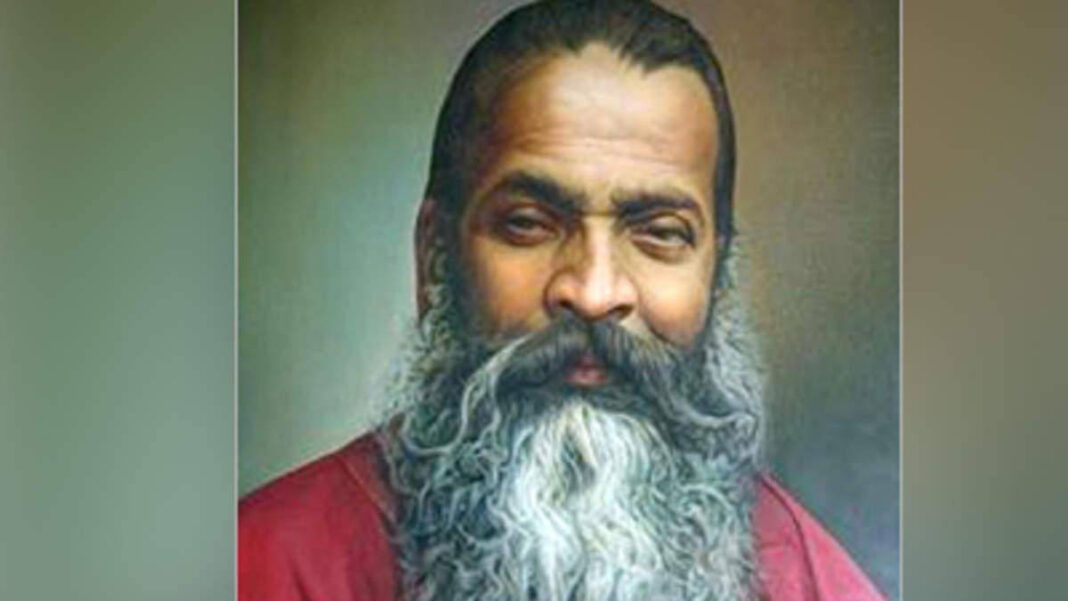

Vishnu Digambar Paluskar, who took music to those with a missionary zeal.
| Photo Credit: The Hindu Archives
One of the most eagerly awaited music festivals in Delhi is the Vishnu Digambar Jayanti, held annually by the Gandharva Mahavidyalaya. It is as much a celebration of music as it is a tribute to its enduring legacy. Conceived as a platform to nurture and showcase young talent, the festival also reflects the vision of Pt. Vishnu Digambar Paluskar (1872-1931), who made HIndustani music accessible to wider audience. His efforts also helped bring the classical music form to the public concert platform, creating opporutnities for musicians across generations, to perform at the festival.
This year’s edition in New Delhi commemorated his birth anniversary with an audio-visual presentation curated by celebrated photographer Avinash Pasricha. It was nostalgic to look at the collection of photographs of musicians and musical events across different eras, which offered a glimpse into the evolution of Hindustani music and musicians.
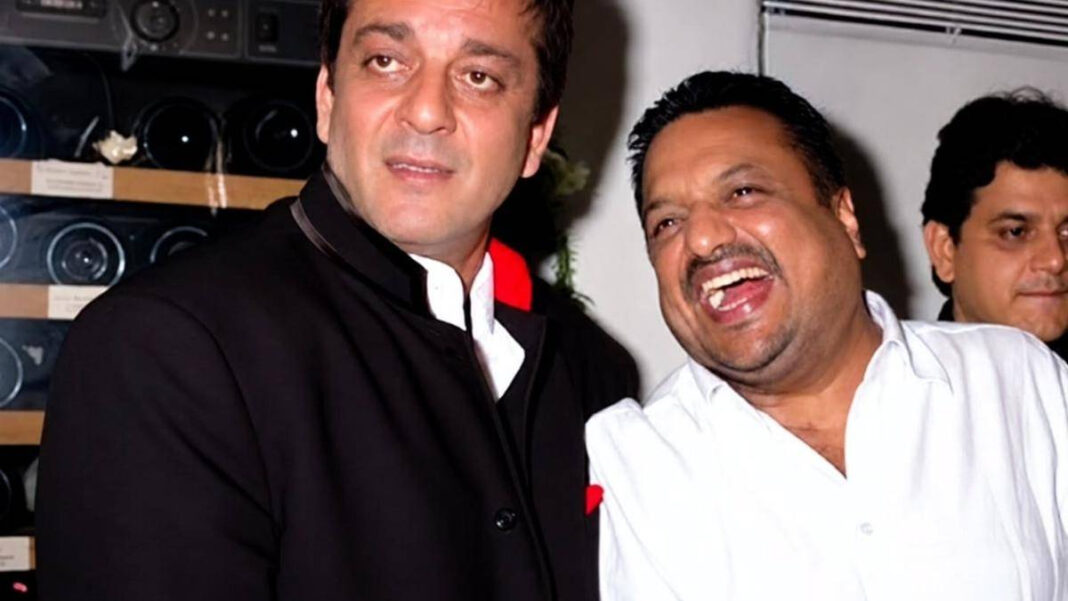
DV Paluskar with Vinaya Chandra Maudgalya.
| Photo Credit:
The Hindu Archives
The presentation, spanning the years 1944 to 1994, opened with photographs and recordings of D.V. Paluskar, son of Vishnu Digambar. Among the rare images was the 14 or 15-year-old Amjad Ali Khan, possibly from one of his first major concerts in Delhi. Predominantly in black and white, each photograph was accompanied by corresponding audio recording of the music, painstakingly retrieved from the Mahavidyalaya’s extensive archives.
Together, the images and recordings unfolded the history of Hindustani music. They also revealed how much the concert experience has changed over the decades, from the sophistication of the sound equipment, and the musicians’ attire, with ‘achkans’ with ‘topis’, to the informal stage arrangements and audiences seated on the floor. Musicians sat close to one another, while listeners sometimes occupied the stage itself. Concerts were longer events, with performances often continuing well past midnight. Interestingly, the presentation also acknowledged the presence of Carnatic musicians in the festival’s history, including flautist T.R. Mahalingam popularly known as Mali, and vocalist M. Balamuralikrishna.
Madhup Mudgal.
| Photo Credit:
Special Arrangement
For music lovers, the presentation was also an opportunity to revisit artistes whose performances they had not heard before. Among them were vocalist Meera Banerjee and violinist D.K. Datar. . Equally fascinating were photographs tracing the journey of individual musicians over four or five decades. Pt. Jasraj, in particular, appeared almost transformed across the years — from a 30 year old with wayward curls to the mature artiste audiences came to know and admire.
The archives also included excerpts from talks organised by the institution, featuring Ustad Vilayat Hussain Khan, Pt. S.N. Ratankar and Pt. Dilip Chandra Vedi of the Agra gharana.
For longtime listeners, the festival holds memories that go beyond the music on stage. Avid music listener Partho Datta reminisced on his listening experiences at the festival. “I remember once sitting on the stage as it was so overflowing, listening to Pt. Kumar Gandharva. Imagine, Shubha Mudgal was playing the tamboora behind him.”
Another listener Priya Mann spoke of the distinctive concert culture that has remained integral to the festival: “what’s always been very special about this festival has been its culture – no one talks on the phone during a concert or walks across the hall in front of the audience. The concerts start on time, the sound system has always been set beforehand, and the announcements are muted and informative. It is a music festival where established artistes are presented to an audience that has been trained to observe concert etiquette.”
Today, these photographs and audio recordings serve as invaluable archival records of a musical era that has largely passed by. Beyond documenting celebrated artistes and performances, the festival remains an important landmark in Delhi’s cultural landscape, representing a continuity and commitment to music.
With the third generation of the Maudgalya-Mudgal family, represented byArushi and Sawani Mudgal, continuing to be associated with the institutiuon, the festival remains rooted to its cause to promote Indian classical music.
Published – October 31, 2026 05:47 pm IST