
‘Devastating’ impact
Title: Cyril Ramaphosa Urges South Africa to Prepare for Potential Loss of U.S.-Africa Trade Deal
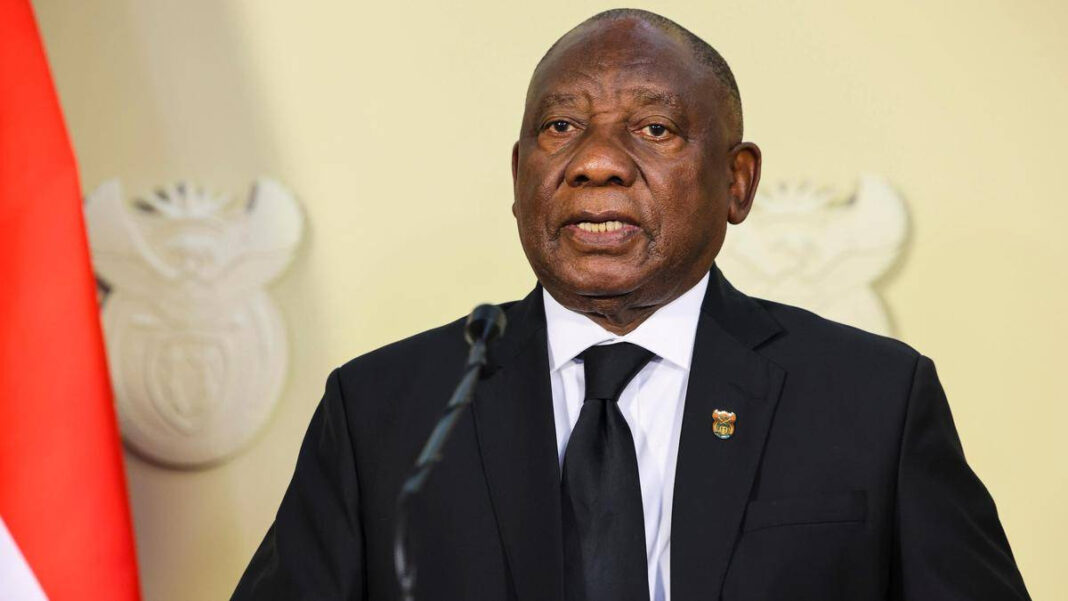
In a recent address to the nation, South African President Cyril Ramaphosa emphasized the need for the country to brace itself for the possible loss of a crucial trade agreement with the United States. This warning comes amidst rising concerns about the global trade landscape and its implications for South Africa’s economy.
The African Growth and Opportunity Act (AGOA), enacted in 2000, has been a cornerstone of trade relations between the U.S. and eligible African nations, including South Africa. AGOA allows for duty-free access to the U.S. market for a wide array of goods, significantly boosting exports from participating African nations. However, the agreement has faced scrutiny and challenges, particularly regarding compliance with U.S. regulations on labor rights, governance, and trade practices.
In his speech, Ramaphosa outlined the potential ramifications of losing AGOA, highlighting that many South African industries, particularly in textiles and agriculture, have come to depend heavily on this preferential trading status. The loss of AGOA could lead to a significant drop in exports to the U.S., potentially threatening thousands of jobs and exacerbating local economic challenges.
“While we have enjoyed the benefits of AGOA, we must recognize that trade agreements are not permanent fixtures. We must prepare for the reality that we could lose this benefit,” Ramaphosa stated. He called on businesses, policymakers, and stakeholders to proactively strategize ways to mitigate the potential impacts of such a loss.
In response to Ramaphosa’s remarks, industry leaders echoed the urgency of the situation. Many emphasized the need for diversification of trade partners and markets, suggesting that South Africa should engage more deeply with other economies, both within Africa and globally. They noted that fostering stronger trade relations with the African Continental Free Trade Area (AfCFTA) could provide an avenue for resilience against potential trade disruptions from the U.S.
Moreover, experts contend that the South African government must focus on improving the overall business environment, addressing issues like infrastructure, regulatory bottlenecks, and investment incentives to attract both domestic and foreign investment. This would help insulate the country from the volatility of trade agreements and create a more sustainable economic framework.
The geopolitical dynamics contributing to this situation are also worth noting. With increasing competition from other emerging economies and shifting priorities in U.S. foreign policy, the sustainability of AGOA has come under question. Discussions around eligibility criteria have heightened, particularly concerning governance and human rights standards. Ramaphosa’s government will need to navigate these complex issues while simultaneously reinforcing its commitment to reforms and progress.
As South Africa contemplates a future without AGOA, the government has the dual task of mitigating risk while exploring new opportunities. This includes enhancing trade relationships beyond the U.S., particularly in light of growing economic trends in Asia and Europe, and developing local industries to reduce dependence on external markets.
In conclusion, as President Ramaphosa calls for readiness in the face of potential trade loss, South Africa stands at a crossroads. The challenge lies not only in retaining its trade agreements but also in building a resilient economy capable of thriving amidst global uncertainties. Collaboration across sectors, strategic planning, and a focus on sustainable growth will be integral to navigating this crucial juncture in South Africa’s trade landscape.