 "
/>
"
/>

Pakistani Opposition Leader Warns Against Concentration of Power in Military Establishment
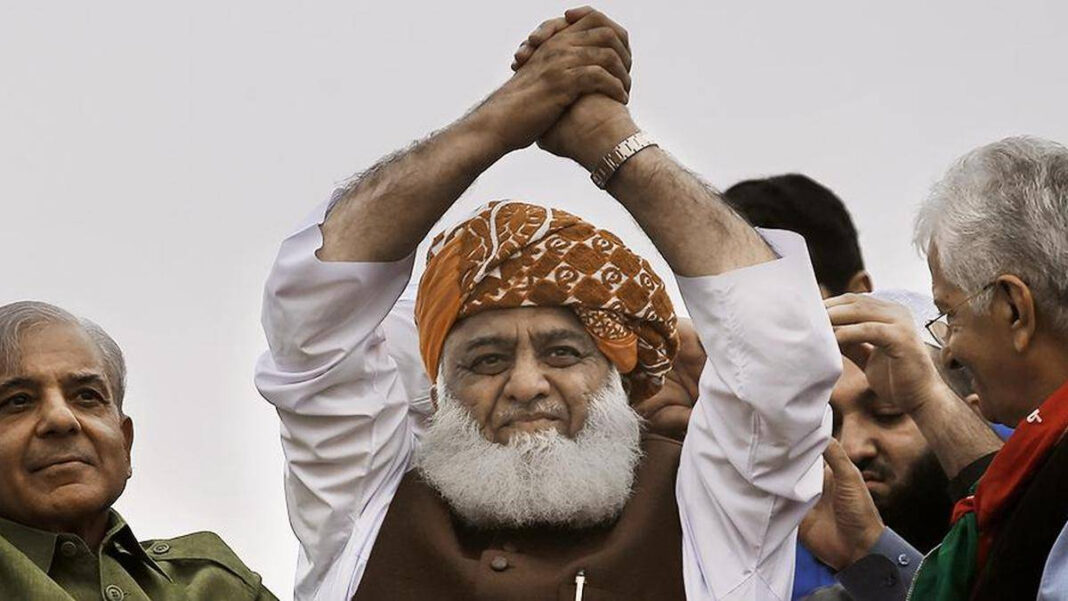
In recent months, the political landscape of Pakistan has been increasingly characterized by tension between the civilian government and the military establishment. This dynamic came to the forefront as Pakistan’s leading opposition figure, Shehbaz Sharif, voiced grave concerns over the growing concentration of power within the military. Sharif, who has served as Prime Minister and is a prominent member of the Pakistan Muslim League-Nawaz (PML-N), delivered a stern warning that unchecked military influence could pose a significant threat to the nation’s democratic processes and institutional integrity.
Background Context
Pakistan’s military has historically played a pivotal role in the country’s politics, often overshadowing civilian governments. This trend has raised alarms among political leaders and citizens alike, prompting discussions about the necessity of a balanced power dynamic between military and civilian authorities. As the military remains an influential force in policymaking and security matters, the lines separating political authority and military power have frequently blurred, leading to fears of authoritarian governance.
Sharif’s Concerns
In a recent public address, Shehbaz Sharif articulated his apprehensions regarding the military’s increasing dominance. He argued that such centralization of power could undermine democratic institutions and lead to a compromise of the rule of law. Sharif emphasized that a robust democracy can only thrive when the elected government exercises full authority over all state matters, including defense and security policies.
“Democracy must prevail over all other interests. The people of Pakistan have sacrificed too much for democratic governance, and we cannot allow an unelected establishment to dictate our future,” Sharif stated passionately. His remarks resonated with many citizens who have long been wary of the military’s influence in civilian affairs.
The Political Ramifications
Sharif’s warnings are not occurring in a vacuum; they come amidst ongoing political upheaval, with the government grappling with economic challenges, widespread discontent, and calls for greater accountability. Critics argue that the military’s increasing foothold in political decision-making could exacerbate ongoing crises, such as economic instability and civil unrest.
Political analysts suggest that the consolidation of military power may lead to a scenario where democratic institutions are further weakened, resulting in an unstable governance structure. The ramifications of this could be severe, ostracizing not just the ruling party but also other democratic forces within the country. Observers have noted that Sharif’s call for a revival of democratic norms is crucial in a period marked by populist rhetoric and rising authoritarianism.
A Call for Civil-Military Balance
Amidst this backdrop, Shehbaz Sharif has championed the need for a civil-military balance. He has urged citizens and political leaders to unite for the preservation of democracy, stressing that ensuring the military’s role is confined within its constitutional boundaries is paramount. Sharif’s proposition involves prioritizing dialogue and collaboration between civilian authorities and the military to foster a healthier political atmosphere.
“Only through dialogue can we build a sustainable future for our democracy. We must work together to define the parameters of military involvement in civilian governance while ensuring that they respect the will of the elected representatives,” he remarked.
Moving Forward
As Pakistan navigates its complex political challenges, the warning from Shehbaz Sharif represents a crucial call to action for both political leaders and citizens. It emphasizes the importance of vigilance in protecting democratic institutions from erosion by any undemocratic forces. The acknowledgment of the military’s historical role must be coupled with a commitment to uphold democratic governance, grounded in accountability and transparency.
The future of Pakistan’s democracy hinges on the ability of its leaders to engage in constructive dialogue, challenge undemocratic practices, and advocate for stronger civilian oversight. As the political narrative unfolds, the collective voice of the opposition, led by figures like Sharif, will be critical in steering the nation towards a more balanced and equitable governance framework.