
Title: Iran’s Military Reports Oil Tanker on Fire in Gulf of Oman
Introduction
In a recent development that has raised concerns in international maritime circles, Iran’s military has reported that an oil tanker is ablaze in the strategic waters of the Gulf of Oman. This incident further highlights the ongoing geopolitical tensions in the region, where maritime security has often been under scrutiny due to various incidents involving shipping lanes critical for global oil transportation.
Incident Overview
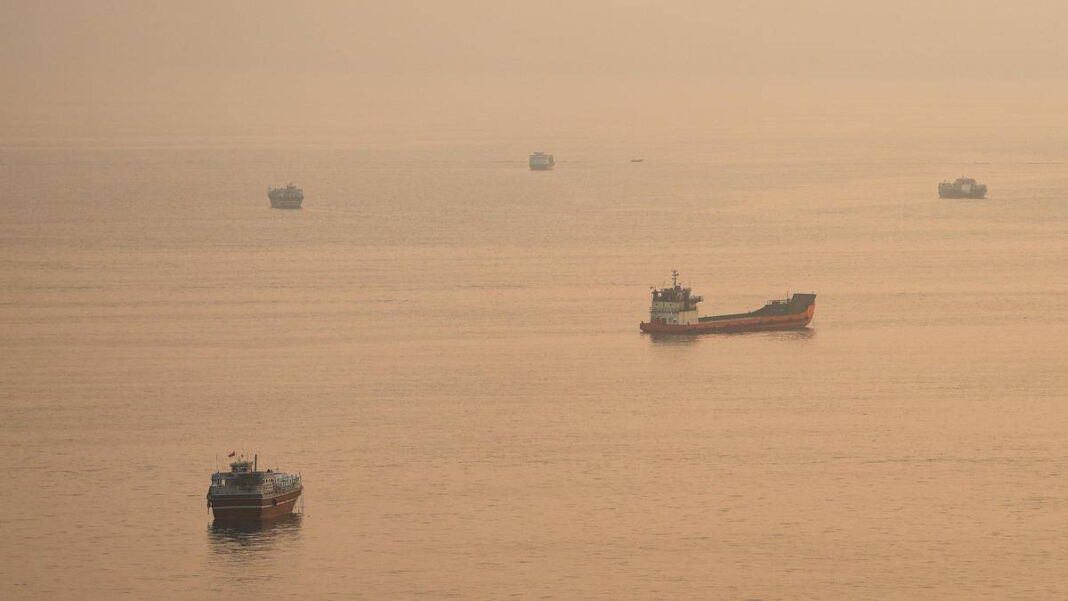
According to reports from the Iranian military, the fire on the oil tanker was detected in the Gulf of Oman, a vital waterway for oil shipments from the Middle East to global markets. The cause of the fire is still under investigation, with Iranian officials indicating that efforts to extinguish the flames were underway. The oil tanker in question is believed to have been either transporting crude oil or refined products, making the incident particularly impactful given the region’s significance in the global energy supply chain.
Implications for Maritime Security
The Gulf of Oman, situated between the Strait of Hormuz and the Arabian Sea, is a key transit route for approximately 20% of the world’s oil supply. Any disruptions in this area can lead to price volatility on global markets, and increased naval presence from affected nations often follows such incidents. The potential for further escalation is a chilling prospect, particularly in light of previous tensions involving Iran, the U.S., and other regional actors.
Earlier incidents in the Gulf region have included attacks on tankers attributed to rising hostilities, espionage, and sabotage. The attack on the oil tanker adds to a list of maritime incidents that have raised fears of conflict spilling over into open confrontation. Many analysts are now closely watching the situation to gauge the ramifications for oil markets and regional security dynamics.
Iran’s Response and Regional Reactions
Iranian officials have declared their commitment to ensuring the safety and security of navigation in the Gulf waters, contrasting with accusations that their forces have previously threatened maritime safety. The Iranian military aims to project a narrative of control and readiness to tackle any potential threats to ships operating in the area.
Meanwhile, regional players are likely to respond with heightened vigilance. The Gulf Cooperation Council (GCC) countries, along with U.S. naval forces present in the region, may adjust their operations in response to the incident. These nations rely heavily on the Gulf waters for trading crude oil, and any sense of instability or insecurity could prompt joint security actions or further cooperation among allies.
Conclusion
The reported fire on the oil tanker in the Gulf of Oman underscores the fragile nature of maritime security in a region fraught with tension. As investigations continue, stakeholders from around the world are keeping a close watch on developments. The incident serves as a reminder of the complexities that govern the region, with potential implications for global energy markets and political relations. Ensuring the safety of shipping lanes in the Gulf of Oman will remain a crucial priority for regional and international authorities in the coming days.