 "
/>
"
/>

China Ready to Address Trade Concerns Raised by India’s FM Sitharaman
In a significant diplomatic exchange, China has expressed its willingness to address specific concerns raised by India regarding trade barriers. This development follows a recent statement by India’s Finance Minister, Nirmala Sitharaman, who highlighted the need for resolving trade tensions between the two neighboring giants. As both countries navigate the complexities of their economic relationship, this dialogue marks a pivotal moment in fostering better trade ties in Asia.
Background of the Trade Relations
India and China, two of the largest economies in Asia, share a complicated history of economic interactions. While trade has historically benefitted both nations, recent times have seen rising tensions due to trade deficits, regulatory challenges, and geopolitical rivalries. India has often voiced concerns over the increasing trade imbalance, which tilted heavily in favor of China, restricting Indian businesses’ access to Chinese markets.
The mutual benefits of trade cannot be understated; both countries stand to gain from cooperative economic relationships. As South Asian economies recover from the economic disruptions caused by the COVID-19 pandemic, the urgency for dialogue is more pronounced than ever.
FM Sitharaman’s Concerns
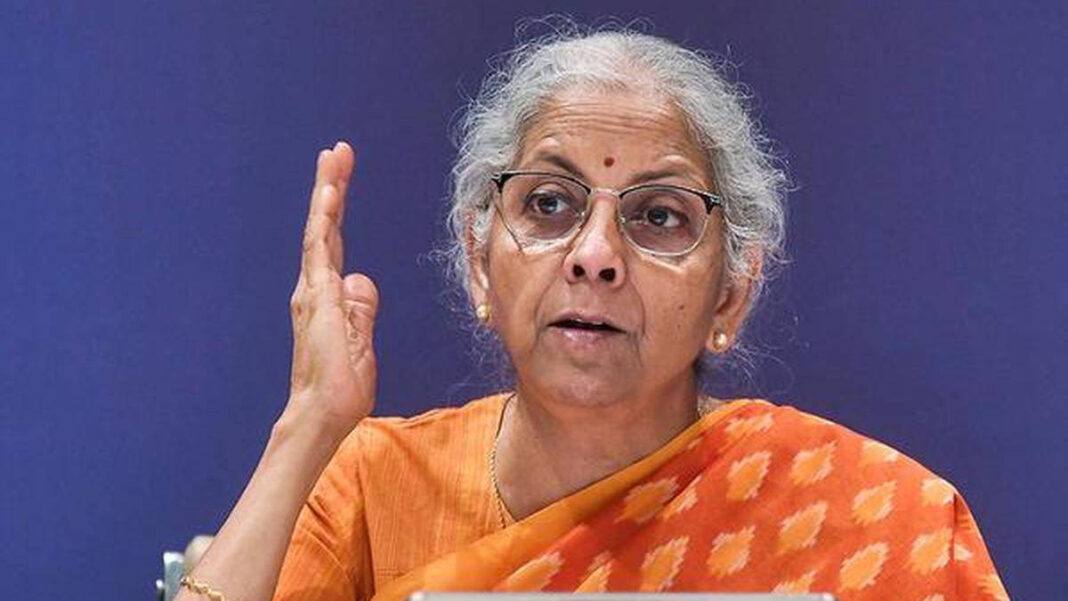
During her recent engagements, Finance Minister Nirmala Sitharaman reiterated India’s concerns over non-tariff barriers that have significantly hindered Indian exports to China. Issues such as stringent quality checks, import licensing requirements, and other regulatory challenges have created obstacles for Indian products in the Chinese market. Sitharaman emphasized the need for a level playing field and called for proactive measures to counteract the growing disparities in trade practices.
Moreover, her remarks underline a broader theme in Indian diplomacy: the necessity for reciprocal trade practices that would allow both nations to benefit from their respective markets. As India’s economy seeks to expand, addressing these barriers is crucial for ensuring sustainable growth and fostering healthy trade relationships.
China’s Response
Responding to these assertions, Chinese officials signaled readiness to engage in discussions aimed at resolving trade disputes. This openness to address India’s concerns reflects a growing recognition in Beijing that cooperation with New Delhi is essential for stabilizing their economic relationship. Chinese Foreign Ministry spokespersons have indicated that both countries should work to create favorable conditions for trade, emphasizing the importance of dialogue and mutual understanding.
The Chinese government’s willingness to consider India’s suggestions for addressing trade barriers aligns with its broader strategy of enhancing regional economic ties. As both nations are critical players in the Asia-Pacific region, managing their trade relationship effectively could set a precedent for other countries and influence regional economic stability.
Implications for the Future
The proactive stance shown by both sides has the potential to pave the way for robust economic discussions in the future. With a focus on addressing trade barriers, there is an opportunity for more balanced trade relations, which could lead to increased market access for Indian goods and services in China. Additionally, this dialogue could serve as a model for resolving similar issues among other nations in the region.
Both countries have much at stake. Strengthening economic ties could foster greater cooperation not just in trade but also in other spheres such as technology, infrastructure, and investment. In a world increasingly defined by economic interdependence, establishing a collaborative framework could benefit both economies and contribute to regional stability.
Conclusion
As India and China stand at a crossroads in their trade relationship, the willingness to address each other’s concerns provides a glimmer of hope for a more prosperous economic future. The effectiveness of these discussions will depend on the commitment of both parties to engage honestly and constructively. In the coming months, the world will be watching closely to see how these exchanges develop and what they mean for the broader geopolitical landscape in Asia. With economic cooperation serving as a vital tool for peace and stability, fostering understanding between these two giants could become a cornerstone for a new era in regional collaboration.