 "
/>
"
/>

Treaty Ends This December
Ganga Water Treaty: A Flawed Framework That Needs Urgent Reassessment
The complexities surrounding the management of shared water resources in South Asia have long been a source of tension and conflict among neighboring countries. A prominent example of this is the Ganga Water Treaty, established between India and Bangladesh in 1996. While the treaty was a significant step towards cooperative management of the Ganga River’s resources, experts, including renowned river management scholar Dr. Abdur Rahman from Bangladesh, have called it a “flawed” agreement that requires urgent updating to reflect the contemporary challenges facing the region.
Historical Context of the Treaty
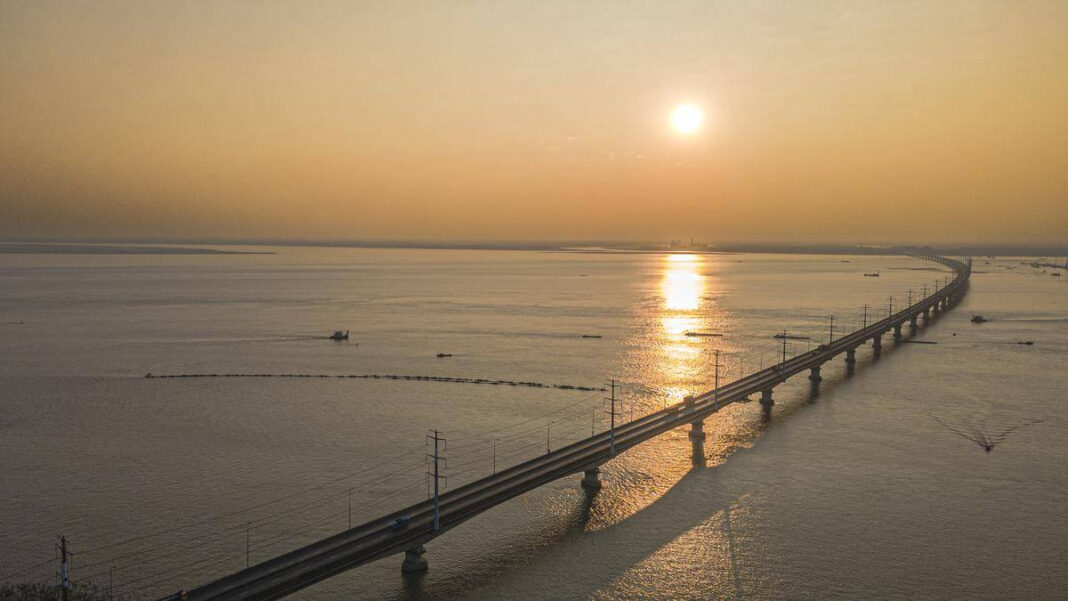
The Ganga Water Treaty was created to provide a framework for sharing the river’s water, primarily focused on the Farakka Barrage, which India constructed in the 1970s. The treaty allowed for the sharing of water during the dry season, aimed at ensuring that Bangladesh receives a minimum flow of the Ganges. However, the changing environmental conditions, increasing water demands, and rising population pressures are exposing the treaty’s inadequacies, necessitating a comprehensive reassessment.
Key Flaws in the Treaty Framework
-
Lack of Comprehensive Coverage: The treaty addresses only a fraction of the issues pertinent to the Ganga River’s health. It primarily focuses on water quantity rather than the quality of water, which has deteriorated significantly due to pollution from cities, industries, and agricultural runoff in both India and Bangladesh.
-
Inflexibility in Allocation: The treaty stipulates fixed allocations of water, which does not adapt to the changing hydrological patterns influenced by climate change. As weather patterns shift, including altered monsoon timings and increased drought frequency, the static nature of water allocation becomes increasingly problematic.
-
Limited Stakeholder Inclusion: While the treaty was designed to resolve conflicts between two nations, it does not account for the voices and rights of local communities that rely on the river for their livelihoods. The concerns of indigenous and marginalized groups who face the brunt of water management decisions are noticeably absent in the treaty’s framework.
- Environmental Impact: The treaty fails to adequately address the ecological integrity of the Ganga. Overextraction of water, damming, and pollution threaten the river’s biodiversity and the health of ecosystems that depend on its flow. Consequently, the treaty’s provisions have repercussions not only for human populations but also for wildlife and plant species that call the Ganga basin home.
Climate Change and Increased Demand for Water
The urgency for reforming the Ganga Water Treaty is magnified by the looming threat of climate change. An increase in extreme weather events, changing precipitation patterns, and a rise in temperature are likely to exacerbate water scarcity issues in both India and Bangladesh. As populations grow and demands for water increase—for agriculture, industrial use, and household consumption—the existing treaty framework becomes increasingly untenable.
Dr. Rahman emphasizes the necessity of incorporating climate resilience into any new agreements regarding the Ganga. A multidimensional approach that not only focuses on quantity but also prioritizes quality, equity, and sustainability is paramount to ensure the river can continue to support both countries.
Path Forward: A Collaborative Approach
To amend the flaws in the Ganga Water Treaty, it is crucial for India and Bangladesh to embark on a collaborative dialogue that includes a broader spectrum of stakeholders, including environmentalists, local communities, and climate scientists. Any updated treaty should incorporate robust mechanisms for ensuring water quality, ecological preservation, and adaptive management that accounts for climate change.
Additionally, fostering joint research initiatives to monitor the health of the Ganga and its tributaries can provide a data-driven basis for making informed decisions concerning water resource management. Cross-border cooperation in sharing knowledge and technologies will be essential in addressing the complexities associated with transboundary water governance.
Conclusion
The Ganga River is more than just a source of water; it is a lifeline for millions of people. Updating the Ganga Water Treaty is not merely a diplomatic necessity; it is a moral imperative. As Bangladesh river expert Dr. Abdur Rahman points out, the treaty’s current framework is outdated and ineffective in addressing the challenges of the 21st century. For the future of the Ganga and the well-being of millions who depend on it, both nations must come together, recognize the treaty’s flaws, and work towards a more equitable and sustainable framework for management of this vital resource.