
 "
/>
"
/>

Entering a New Phase
Beijing’s Pursuit of Stability
A Delicate Truce
The China-U.S. Rapprochement: A New Era of Bilateral Relations
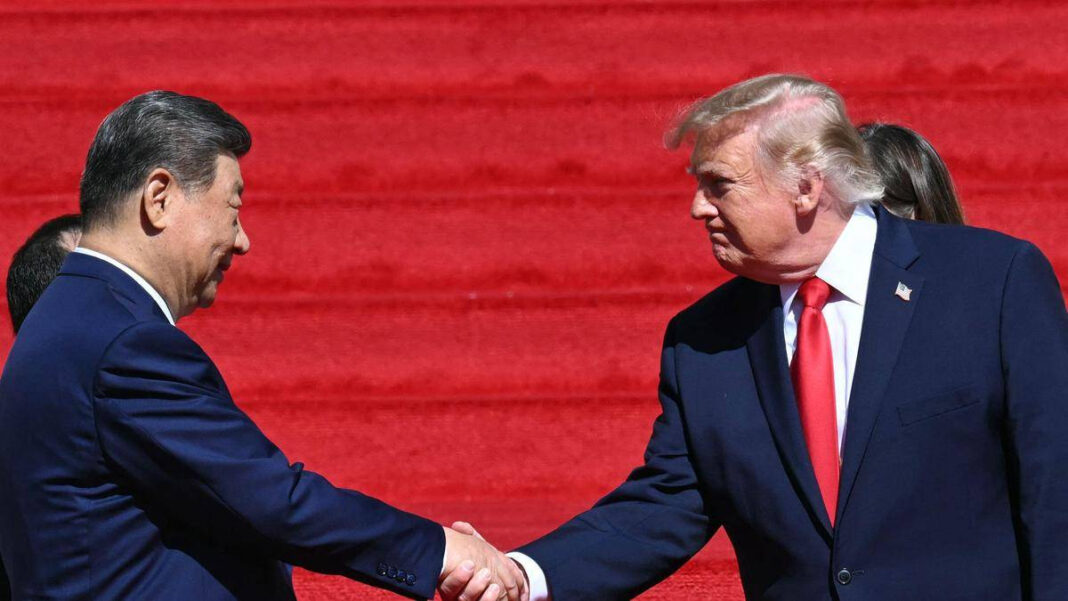
In the complex world of international relations, the dynamics between the United States and China have often been characterized by both competition and cooperation. In recent months, however, a renewed effort toward rapprochement has emerged, signaling a potential shift in the long-standing tensions that have defined their interactions. This article explores the motivations behind this rapprochement, its current state, and the potential implications for global geopolitics.
Historical Context
The relationship between the United States and China has evolved significantly over the past several decades. Since the normalization of diplomatic relations in the 1970s under President Richard Nixon, both nations have experienced periods of both collaboration and discord. Major issues such as trade imbalances, human rights abuses, territorial disputes in the South China Sea, and cybersecurity have frequently strained ties.
In the last decade, tensions escalated markedly, peaking during the trade war initiated in 2018. Accusations of espionage, technological competition, and differing approaches to global governance deepened mutual distrust. However, as the global landscape continues to change, the necessity for dialogue and cooperation has become increasingly evident.
Motivations for Rapprochement
Several factors have spurred the recent efforts at rapprochement:
-
Global Economic Stability: After the significant disruptions caused by the COVID-19 pandemic, both nations have recognized the need for economic stability. The interconnectedness of their economies means that cooperation is essential for global recovery. Trade discussions have resumed with an emphasis on reducing tariffs and resolving supply chain disruptions.
-
Climate Change: The existential threat posed by climate change has prompted both countries to seek collaboration. As the two largest carbon emitters, their joint efforts are critical for global climate initiatives. In a world increasingly focused on sustainability, both nations find common ground in the pursuit of renewable energy technologies and emissions reductions.
-
Geopolitical Competition: Rising tensions in regions such as the Indo-Pacific necessitate a reassessment of strategic postures. While competition remains a driving force, the recognition that military confrontation would be detrimental has led to discussions around conflict resolution, maintaining peace, and engaging in dialogue over contentious issues.
- Public Sentiment: Both countries’ populations are increasingly weary of prolonged hostility. The desire for stability—both economically and politically—has led to calls for a more constructive relationship. Leaders in both nations have begun to acknowledge the public desire for cooperation over conflict, fostering an environment conducive to better relations.
Current State of Affairs
The recent months have witnessed several high-level meetings between Chinese and U.S. officials, indicating a commitment to dialogue. Key engagements have included discussions about trade, technology, and military communication mechanisms aimed at preventing miscalculations. Secretary of State Antony Blinken’s visit to Beijing, as well as meetings between President Joe Biden and Chinese President Xi Jinping, have marked significant steps toward de-escalation.
However, challenges remain. The issues of Taiwan, human rights in Xinjiang and Hong Kong, and cybersecurity concerns continue to complicate the dialogue. Additionally, domestic politics in both countries can influence foreign policy, making sustained progress tricky.
Future Implications
If the current trend of rapprochement continues, it could lead to various positive outcomes. A more stable and cooperative China-U.S. relationship might encourage multilateral engagement on critical global issues, including climate change, food security, and pandemic preparedness. Furthermore, it could set a precedent for constructive dialogue between other countries in conflict.
Conversely, failure to maintain this momentum could plunge the relationship back into a cycle of rivalry and distrust, with significant repercussions not just for both nations, but for global stability.
Conclusion
The recent thawing of relations between China and the United States heralds a pivotal moment in international relations. While challenges abound, the potential for collaboration on pressing global issues arises from this renewed commitment to dialogue and engagement. The journey toward a more stable and cooperative relationship will require patience, mutual understanding, and a willingness to address deep-seated concerns. As the world watches, the outcome of this rapprochement may very well shape the geopolitical landscape for years to come.