
 "
/>
"
/>

UN ‘Deeply Concerned’
Yemen’s Houthis Claim Attack on Riyadh Airport and Other Saudi Sites
Introduction
In recent developments as of October 2023, Yemen’s Houthi movement has claimed responsibility for a series of drone and missile strikes targeting key locations in Saudi Arabia, prominently including the Riyadh airport. This escalation in hostilities underscores the ongoing conflict that has plagued Yemen since 2014 and further complicates the geopolitical landscape in the region.
Background
The Houthis, formally known as Ansar Allah, are an armed political and religious movement based in northern Yemen. They emerged from the Zaidi Shia community and have been engaged in a prolonged conflict with the internationally recognized Yemeni government, which has been supported by a coalition led by Saudi Arabia since 2015. The war has resulted in one of the world’s worst humanitarian crises, with millions displaced and rampant food insecurity.
This recent claim of responsibility by the Houthis comes as part of their broader strategy to retaliate against what they describe as ongoing Saudi aggression in Yemen. The Saudi-led coalition has conducted extensive airstrikes aimed at weakening Houthi military capabilities, while the Houthis have increasingly targeted Saudi territory, including oil facilities and urban centers.
Details of the Strikes
According to statements from Houthi military officials, the drones and missiles were launched in response to Saudi airstrikes against positions in Yemen. Specific details regarding the exact number of strikes, the type of drones used, and the extent of damage inflicted on the targets remain limited, as both sides often provide conflicting narratives regarding military engagements.
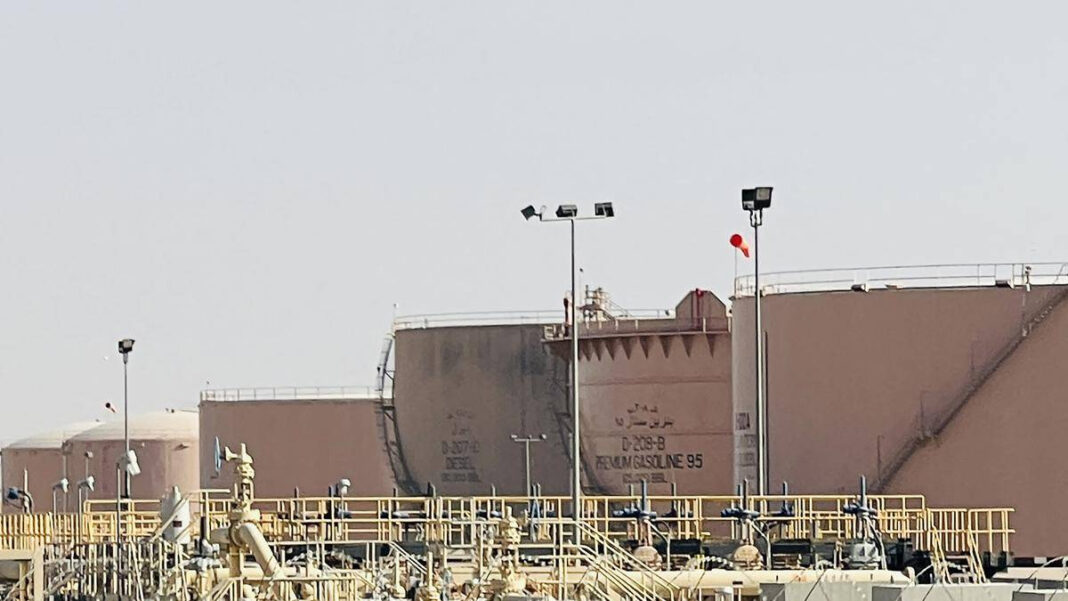
Witnesses in Riyadh reported hearing explosions and seeing plumes of smoke near the airport, prompting heightened security measures throughout the city. The Saudi government, while yet to confirm specific details of the incident, has acknowledged threats to its airspace and the need for continuous vigilance.
Responses and Implications
The attacks on Riyadh airport and other sites in Saudi Arabia have drawn international attention, raising concerns about the escalation of regional tensions and the potential for further conflict. Saudi Arabia’s Ministry of Defense condemned the strikes, labeling them as acts of terrorism that threaten civilian safety.
The geopolitical implications of this exchange are significant. The increasing use of drones by the Houthis not only signals their growing military capabilities but also poses challenges for Saudi Arabia’s air defense systems. Furthermore, these developments may heighten tensions between Iran—widely believed to be providing military support to the Houthis—and Saudi Arabia, a regional rival.
Humanitarian Considerations
Amidst this military escalation, the humanitarian situation in Yemen continues to deteriorate. Airstrikes, ground combat, and blockades have severely impacted the civilian population, leading to widespread famine, lack of medical care, and displacement. With both sides entrenched in their positions, the prospects for peace remain tenuous, and the cycle of violence threatens to deepen the suffering of millions.
Conclusion
The recent Houthi strikes on Riyadh airport and other Saudi sites mark a notable escalation in the ongoing conflict and reflect the deep-seated challenges facing regional stability. As both parties continue to engage in military operations, the need for a diplomatic solution to the crisis becomes increasingly urgent. The international community must not only address the immediate security concerns but also prioritize humanitarian interventions to alleviate the suffering in Yemen and seek a lasting resolution to this protracted conflict.