 "
/>
"
/>

Three Currents
The War on Iran
The Popular Mobilisation Forces: Iraq’s Militia Landscape within the Military Framework
Introduction
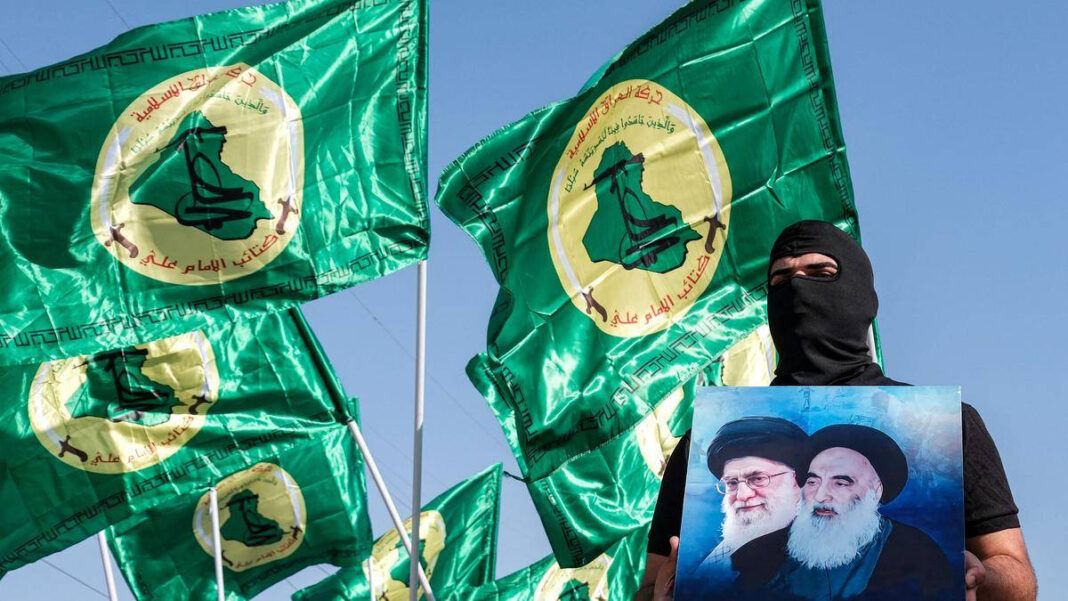
Since the rise of ISIS in 2014, Iraq has witnessed significant transformations in its military landscape. At the forefront of these changes is the Popular Mobilisation Forces (PMF), or Al-Hashd al-Shaabi in Arabic. A coalition of various paramilitary groups, the PMF has played a crucial role in combating ISIS and has since become an integral part of Iraq’s military structure. This article delves into the origins, roles, and ongoing impact of the PMF within Iraq’s military, as well as the complexities surrounding its integration and influence.
Origins of the PMF
The PMF was officially established in June 2014, when Iraq’s then-Prime Minister Nouri al-Maliki issued a call to arms in response to the rapid advance of ISIS. Thousands of volunteers, including Shiite militia groups, international fighters, and even religious organizations, responded to the government’s call, forming a formidable force aimed at protecting Iraq’s territorial integrity. The PMF consisted of various groups, each with its own leadership, ideology, and affiliations, predominantly Shiite but also inclusive of Sunni and Christian units.
Structure and Composition
The PMF comprises over 40 various factions, each varying in size, ideology, and political affiliations. Some of the most notable groups within the PMF include:
- Popular Mobilisation Units (PMUs): Primarily Shiite militias like Kata’ib Hezbollah and Asa’ib Ahl al-Haq, which have significant influence in both military operations and political spheres.
- Sunni and Christian Groups: Factions such as the Sunni Hashd al-Asha’ri and Christian militias that provide representation for their communities within the PMF framework.
In 2016, the Iraqi government recognized the PMF as a legal entity, integrating its members into the Iraqi armed forces. This move aimed to formalize their role in national defense and establish a framework for their operations.
Role in Combatting ISIS
The PMF has been credited with making significant contributions to the fight against ISIS. Following their formation, they played a crucial role in liberating territory from the jihadist group, participating in major battles such as the liberation of Tikrit, Fallujah, and Mosul. Their local knowledge, rapid mobilization, and dedication to the cause have been instrumental in weakening ISIS’s hold over Iraq.
However, the PMF’s involvement in combat has been accompanied by allegations of human rights abuses, including sectarian violence and extrajudicial killings. These actions have raised concerns among human rights organizations and have complicated the PMF’s image both domestically and abroad.
Political Influence and Controversy
As the PMF gained military prominence, it also expanded its political clout. Many militias have their own political parties, and some members of the PMF have successfully secured seats in the Iraqi parliament. This dual role as both military and political entities introduces layers of complexity in Iraq’s governance, leading to tensions within the state military, among political factions, and with international actors.
The PMF’s close ties with Iran further complicate their standing. As many of these militias receive funding, training, and strategic support from Iran, concerns have been raised about their loyalty to the Iraqi state versus Iranian interests. This has led to friction with the United States and other countries wary of Iranian influence in Iraq.
Integration Challenges
Despite being integrated into the Iraqi military structure, the PMF continues to face challenges. The relationship between the Iraqi Army and PMF can often be strained due to overlapping jurisdictions and differing command structures. Efforts to centralize command have been met with resistance from certain factions that value their autonomy and established allegiances.
Moreover, as the military threat from ISIS has diminished, the PMF’s future role remains uncertain. Debates about their continued presence and influence in Iraq grow louder, especially as several groups maintain a strong ideological commitment to armed resistance, which raises concerns about potential conflicts in the future.
Conclusion
The Popular Mobilisation Forces have undeniably reshaped Iraq’s military landscape. From their origins in the fight against ISIS to their integration into the Iraqi armed forces, they represent a multifaceted and complex element of Iraq’s security framework. As Iraq navigates the intricacies of power dynamics domestically and internationally, the role of the PMF will continue to evoke discussions about national identity, sovereignty, and the future of militia involvement in state affairs. The evolving situation calls for careful attention from policymakers, human rights advocates, and the international community to ensure a balanced approach towards stability and governance in Iraq.