
Kerala Health Minister denies medicine shortages in government hospitals, alleges pharma campaign behind crisis claims
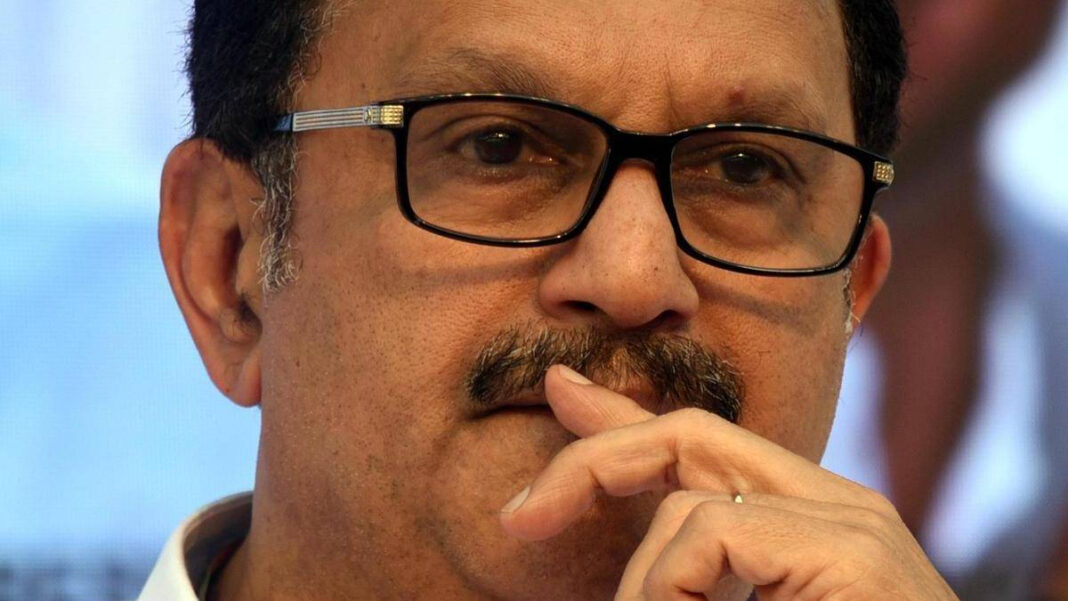
Kerala Health Minister K. Muraleedharan on Saturday, October 3, 2026, dismissed reports of a shortage of medicines in government hospitals as a “media creation,” alleging that certain pharmaceutical companies were orchestrating claims of a crisis to create public alarm. He asserted that public health facilities in the State had adequate stocks and said he would not be intimidated by attempts to escalate the issue.
Minister rejects shortage narrative
Speaking to reporters, Mr. Muraleedharan insisted there was “no crisis at all” in the supply of medicines to government-run hospitals. “There is sufficient stock of medicines. If needed, you can ask the Superintendent or anyone whether there is medicine stock or not,” he said, urging independent verification at the facility level.
The Minister reiterated that supplies were being maintained in “sufficient quantities” and suggested that contrary reports were driven by external interests rather than factual ground realities.
Allegations against pharma firms and sections of the media
Mr. Muraleedharan alleged that representatives of some pharmaceutical companies were attempting to manufacture a perception of scarcity and that segments of the media were amplifying those claims. “Some pharmaceutical company representatives have come out with sticks and swords. And to highlight that, some big and small TV media people have also stepped out,” he said.
He added that he would not be cowed by such tactics. “Furthermore, if any pharma company people come out brandishing sticks and swords, I am not someone who gets scared seeing that. That is all,” he said.
Infectious disease situation lower than last year, says Minister
Addressing concerns about seasonal illnesses, the Health Minister said the number of infectious disease cases reported so far this year was lower than during the corresponding period in 2025. “Compared to last year, that many cases have not been reported. So far, infectious diseases haven’t been reported in such numbers,” he said.
AIIMS proposal in Kerala: State rejects non-cooperation charge
On the proposed All India Institute of Medical Sciences (AIIMS) in Kerala, Mr. Muraleedharan refuted Union Minister Suresh Gopi’s allegation that the State government was not cooperating with the Centre on the project. He maintained that due process had been followed and necessary documentation provided.
“He [Mr. Gopi] is unaware of the facts,” the Minister said, adding that the Principal Secretary of the Health Department had already submitted a report to the Union government on the matter. “If he asks for it, I can show him a copy. Then why unnecessarily blame the State Government?”
He further indicated that the Union Minister appeared to favour a specific location for the institute. “However, we don’t have any such preferences. Our only demand is that Kerala should get an AIIMS,” Mr. Muraleedharan said.
No direct complaints on alleged medical negligence
Responding to questions about reported incidents of medical negligence in public facilities, the Minister said the Health Department had not received any direct complaints. “If we receive a complaint about anything, we will investigate it. There is no doubt about that,” he said, underscoring that formal complaints would trigger departmental inquiry processes.
Sabarimala preparations underway
Mr. Muraleedharan, who also holds the Devaswom portfolio, said arrangements for the upcoming Sabarimala pilgrimage season were progressing. A high-level review meeting chaired by Chief Minister V. D. Satheesan is scheduled to be held at Pampa on October 17 to assess preparedness and coordination efforts.
“The government is providing full support to the Travancore Devaswom Board. Therefore, what we expect is that things can be conducted without any issues,” he said. The Sabarimala pilgrimage season begins on November 17.
Outlook
While reiterating that State-run hospitals have adequate medicine stocks, the Health Minister framed the shortage reports as an orchestrated narrative linked to commercial interests. The coming weeks will see a formal review of Sabarimala arrangements and continued monitoring of disease trends, even as the State awaits further movement on the AIIMS proposal from the Centre.