
 "
/>
"
/>

New Islands Emerge Following Eruption of Indonesia’s Anak Krakatau Volcano
October 2023
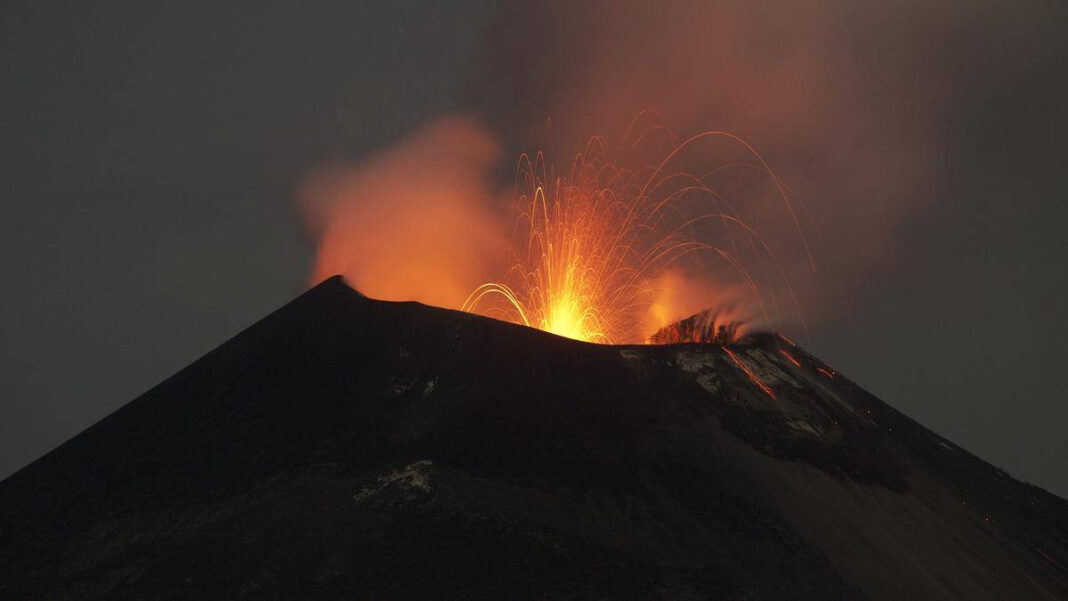
In a spectacular but unpredictable display of nature’s power, Indonesia’s Anak Krakatau volcano has erupted, giving birth to several new islands in the surrounding waters. This event is a striking reminder of the dynamic geological processes taking place in the region, which holds one of the most active volcanic arcs in the world.
Volcanic Activity and Its Implications
Anak Krakatau, which translates to “Child of Krakatoa,” emerged from the caldera of the infamous Krakatoa volcano, known for its catastrophic eruption in 1883 that claimed thousands of lives and altered global climate patterns. The recent activity, which included explosive eruptions sending ash clouds several kilometers into the atmosphere, highlighted the ongoing volatility of this geological hotspot. The eruption has also contributed to significant ashfall across the Sunda Strait region, impacting air travel and local communities.
The rapid formation of new islands is a direct result of pyroclastic flows and the accumulation of volcanic material as the eruption continues. These islands can offer unique ecosystems and habitats, presenting both opportunities and challenges for local biodiversity and conservation efforts.
Significance of the New Islands
Emerging landforms like these are not uncommon in volcanic regions. Such formations can lead to the establishment of new ecosystems, as previously submerged areas are exposed to light and air. However, they also require careful monitoring, as they can alter marine and terrestrial environments, creating a balance between natural processes and human activities.
Local researchers and conservationists are particularly interested in studying these new islands’ flora and fauna, assessing how life is beginning to colonize the freshly formed volcanic rock. The arrival of new species, as well as the adaptability of existing flora and fauna, could provide insight into resilience and recovery in fast-changing environments.
Community and Environmental Impact
While the creation of new land is a fascinating scientific phenomenon, it has also brought challenges to nearby communities. Evacuations and safety protocols were enacted as ashfall disrupted daily life, affecting air quality, agriculture, and water sources. Indonesia, which sits on the Pacific Ring of Fire and has over 130 active volcanoes, is no stranger to such challenges. Local governments are implementing measures to aid affected communities and ensure safety while monitoring volcanic activity closely.
Residents have expressed concerns regarding the impacts of increased volcanic activity on agriculture and fishing, staples of the local economy. Enhanced monitoring systems and improved disaster preparedness plans are essential for mitigating these risks and ensuring a proactive response to future eruptions.
The Road Ahead
As scientists continue to monitor Anak Krakatau, the focus will remain not only on understanding volcanic activity but also on the implications for the local ecosystem and communities. The recent formation of new islands serves as a powerful reminder of the earth’s constantly changing landscape.
Anak Krakatau’s eruptions offer a wealth of information for volcanologists, ecologists, and emergency management professionals, showcasing both the destructive and creative forces inherent in volcanic activity. Ongoing research will help unlock the secrets of these new geological formations while safeguarding the livelihoods of the people living in their shadow.
In conclusion, amid the chaos of the eruption lies a unique opportunity to learn, adapt, and prepare for an uncertain future. As exploration of these new islands continues, humanity’s relationship with our planet and its powerful natural forces remains ever more critical.